
Imagine you’re at a trendy bar, perusing the drink menu. Your eyes land on an enticing selection of colorful concoctions with exotic names. But wait – is cocktail an alcoholic drink?
⚠️ Alcohol Content Disclaimer: GetUrDrinkOn.com features content related to alcoholic beverages and mixology. All content is intended for informational and entertainment purposes only. We do not sell alcohol or promote underage or irresponsible drinking. This site is intended for adults aged—21 and over in the United States, and 18 and over in most other countries. Please drink responsibly. If you or someone you know is struggling with alcohol use, please seek professional help.
The world of cocktails is a fascinating blend of art and science, steeped in history and shrouded in myth. From the classic Martini to the trendy Mocktail, the term “cocktail” has evolved to encompass a wide array of beverages. But what really defines a cocktail? Is alcohol always a key ingredient, or is there more to the story?
In this eye-opening exploration, we’ll shake up your preconceptions and stir your curiosity about cocktails. We’ll delve into the true definition of these beloved drinks, debunk common myths, and uncover the cultural significance behind your favorite libations. Whether you’re a seasoned mixologist or a casual sipper, prepare to raise your glass to a newfound understanding of cocktails and their place in our social fabric.
👉 Upgrade your home whiskey setup with the sleek and functional 🛒 Zarler Bar Cart Bar Table with LED lighting, power outlet, and 4-tier liquor storage—perfect for any modern home bar.
Defining Cocktails: More Than Just Alcohol
Origins and evolution of cocktails
The history of cocktails is a rich and spirited journey that dates back to the early 19th century, when these beverages were first documented as simple but stimulating mixed drinks. The word “cocktail” made its debut in an 1806 newspaper, where it was defined as a stimulating liquor composed of spirits, sugar, water, and bitters—a combination designed to awaken the senses and lift the spirits.
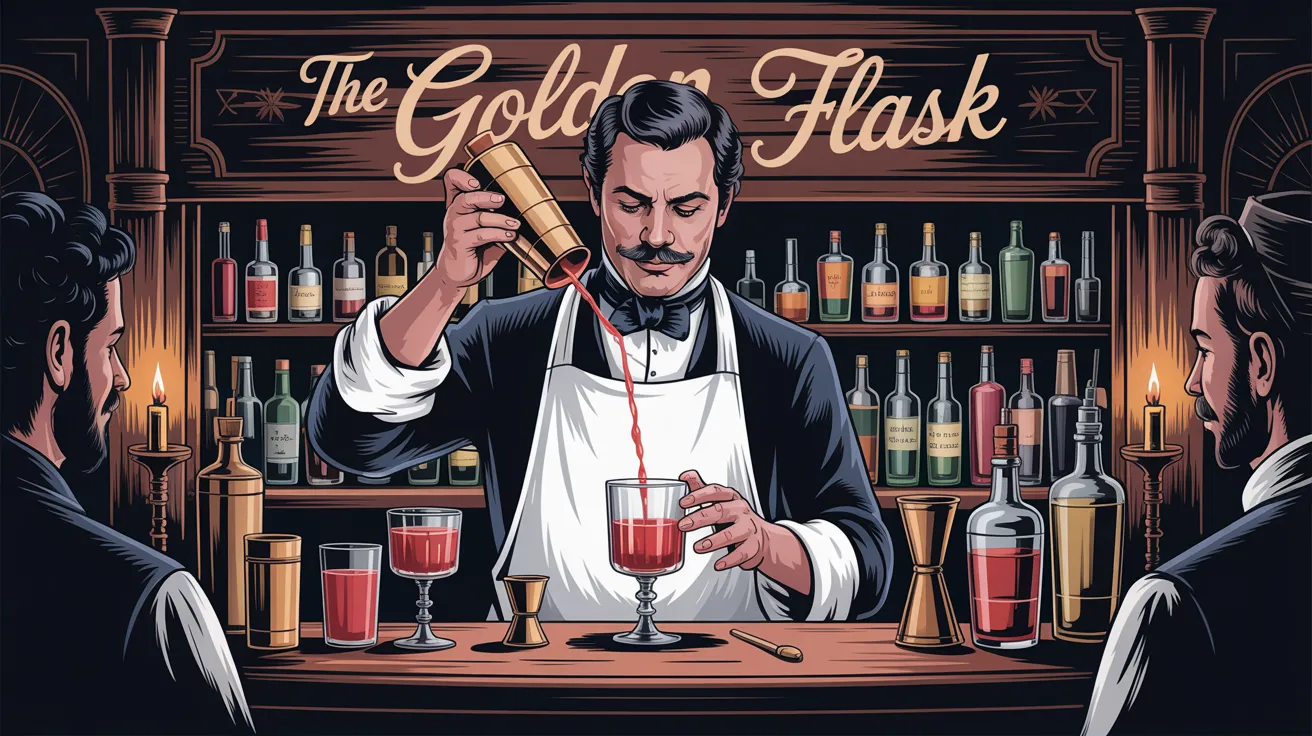
As time progressed, cocktails evolved beyond their basic formula. By the late 1800s and early 1900s, bartenders were already experimenting with regional ingredients, new mixing methods, and diverse glassware styles. Prohibition in the United States (1920–1933) played a surprising role in the cocktail’s evolution; speakeasies and underground bars popularized creative recipes designed to mask the taste of poorly made spirits.
The mid-to-late 20th century ushered in a new golden age of mixology. Classic cocktails such as the Martini, Manhattan, and Old Fashioned were joined by tropical creations like the Piña Colada and Mai Tai. In recent years, the craft cocktail movement has further elevated the art form—emphasizing premium spirits, fresh ingredients, and inventive presentation techniques that blur the lines between culinary art and beverage creation.
Today, cocktails are not only a fixture in bars and restaurants but also a medium for storytelling, culture, and personal expression.
Common Ingredients in Cocktails
At their core, most cocktails consist of three essential elements: a base spirit, mixers, and flavor enhancers. These ingredients combine to create balanced, flavorful drinks that range from simple and refreshing to bold and complex.
Base Spirits
The base spirit is the backbone of any cocktail, providing both the alcohol content and the primary flavor profile. Common base spirits include:
- Vodka – Neutral and smooth; mixes well with nearly any ingredient
- Gin – Herbal and botanical; often used in classic and floral cocktails
- Rum – Sweet and rich; ideal for tropical or spiced drinks
- Whiskey – Bold and earthy; brings depth to stirred cocktails
- Tequila – Citrusy and peppery; perfect for margaritas and bold drinks
Mixers
Mixers help to dilute the spirit, balance the flavor, and add effervescence or acidity. Popular mixers include:
- Soda water – Adds fizz without altering flavor
- Tonic water – Bitter and slightly sweet; commonly paired with gin
- Fruit juices – Such as orange, cranberry, lime, and pineapple; add sweetness or tartness
- Carbonated beverages – Like cola or ginger beer; create bold, fizzy profiles
Flavorings and Enhancers
To create complexity and intrigue, bartenders use additional elements such as:
- Bitters – Small but potent additions that add depth and aromatic intensity
- Flavored syrups – Like simple syrup, grenadine, and honey syrup, used to sweeten and layer flavor
- Fresh fruits – Used for muddling, garnishing, or juicing
- Herbs and spices – Mint, basil, cinnamon, and more add sensory flair and freshness
| Ingredient Category | Examples | Purpose |
|---|---|---|
| Base Spirits | Vodka, Gin, Rum, Whiskey | Provide alcohol content and primary flavor |
| Mixers | Soda water, Fruit juices | Dilute, balance, and complement the base spirit |
| Flavorings | Bitters, Syrups, Fresh Herbs | Add depth, aroma, sweetness, or complexity to the drink |
Non-Alcoholic Cocktails: Mocktails Explained
Mocktails are non-alcoholic cocktails thoughtfully crafted to deliver the same flavor complexity, elegant presentation, and social experience as traditional mixed drinks—without the alcohol. These beverages are ideal for people who choose not to drink alcohol for health, cultural, or personal reasons, yet still want to enjoy a sophisticated beverage in social settings.
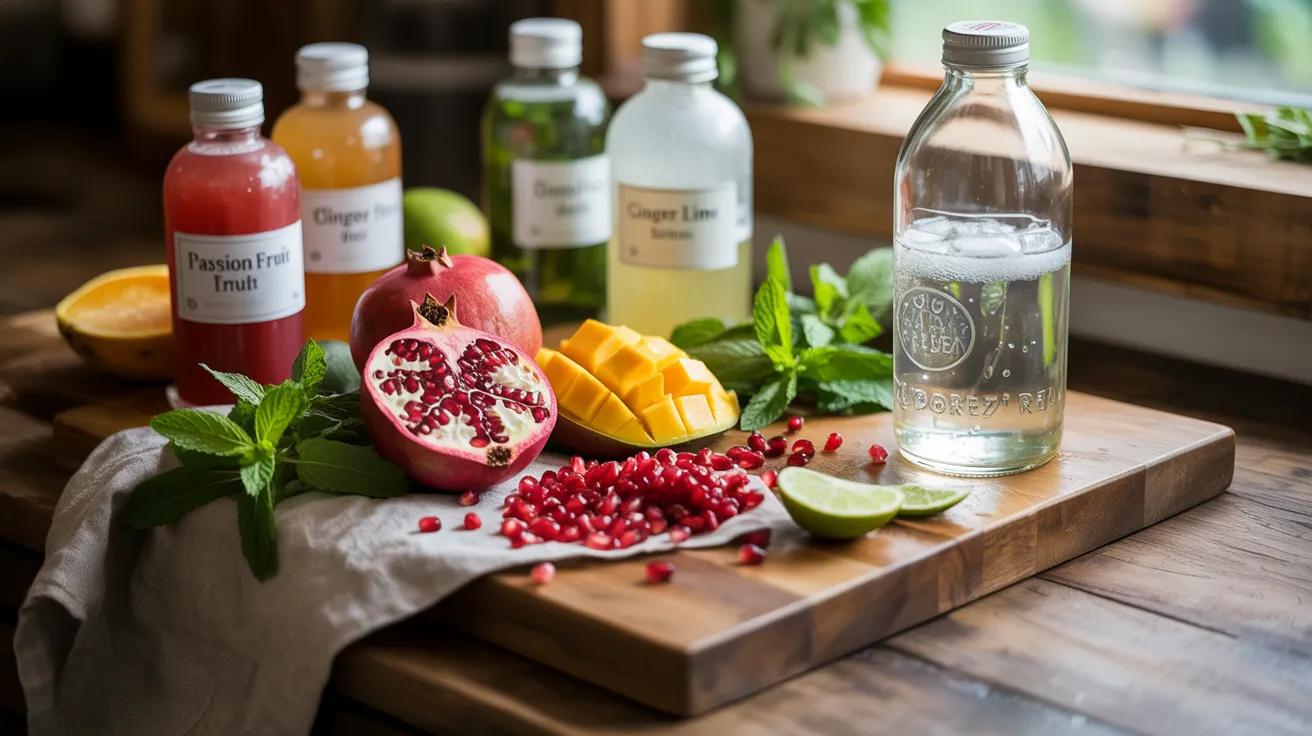
Mocktails commonly include many of the same components as alcoholic cocktails:
- Fruit juices – Provide natural sweetness and vivid flavor
- Syrups – Such as honey, grenadine, or flavored simple syrups
- Sparkling mixers – Like soda water or tonic to add fizz
- Garnishes – Fresh fruit, herbs, or edible flowers for visual appeal
Instead of a base spirit, mocktails often incorporate non-alcoholic spirits, tea infusions, or complex layers of juices and spices to deliver that distinctive cocktail-like taste. Creative mixology techniques like muddling, layering, and infused ice are frequently used to elevate the experience.
From Virgin Mojitos and No-Gronis to floral spritzers and spicy ginger coolers, mocktails are reshaping the bar scene, offering inclusive options that are both indulgent and refreshing.
The Alcohol Content in Cocktails
Understanding the alcohol content in cocktails is essential for anyone who enjoys mixed drinks—whether you’re savoring a slow sip or managing your intake at a social event. The strength of a cocktail can vary significantly depending on its ingredients and preparation, and knowing what to expect can help you make more informed and responsible choices.
Typical Alcohol Percentages in Popular Cocktails
Cocktail strength isn’t one-size-fits-all. Some drinks are potent and spirit-forward, while others are lighter and more refreshing. Here’s a general breakdown of popular cocktails and their average alcohol content by volume (ABV):
| Cocktail | Alcohol Content (%) |
|---|---|
| Martini | 30-40% |
| Long Island Iced Tea | 22-28% |
| Margarita | 20-25% |
| Mojito | 13-16% |
| Piña Colada | 10-15% |
As you can see, some cocktails pack quite a punch, delivering the strength of straight spirits with just a hint of dilution. Others—such as the Mojito or Piña Colada—offer a more approachable alcohol level, often balanced with mixers, fruit, and ice.
Factors Affecting Alcohol Content
Several key variables influence how strong your cocktail turns out. Here are the most common:
- Base spirit strength – Higher-proof spirits (like 100-proof vodka) yield stronger drinks
- Ratio of alcohol to mixers – A drink with more soda or juice will have a lower ABV
- Dilution from ice – Shaking or stirring with ice adds water and reduces potency
- Preparation method – Shaken drinks may be slightly more diluted than stirred ones
- Bartender’s pour accuracy – A heavy hand can significantly boost a cocktail’s strength
Each of these factors can impact both the flavor and the intoxicating effect of your drink.
How to Determine a Cocktail’s Strength
Not sure how strong that colorful concoction really is? Here are a few practical tips for gauging cocktail potency:
- Ask the bartender – They can usually estimate the ABV based on the recipe
- Check the menu – Some menus now list alcohol content or drink strength icons
- Use a cocktail calculator app – Handy tools like “ABV Calculator” or “MyDrink” can help
- Pay attention to taste – A boozy burn, lack of sweetness, or slow onset of buzz can be clues
Being aware of your drink’s strength helps you pace yourself, make health-conscious decisions, and enjoy the experience without going overboard.
Debunking Common Cocktail Myths
Cocktails are wrapped in allure—and plenty of misconceptions. Let’s unpack some of the most persistent myths about cocktails and reveal the truth behind the mix.
All Cocktails Are High in Alcohol
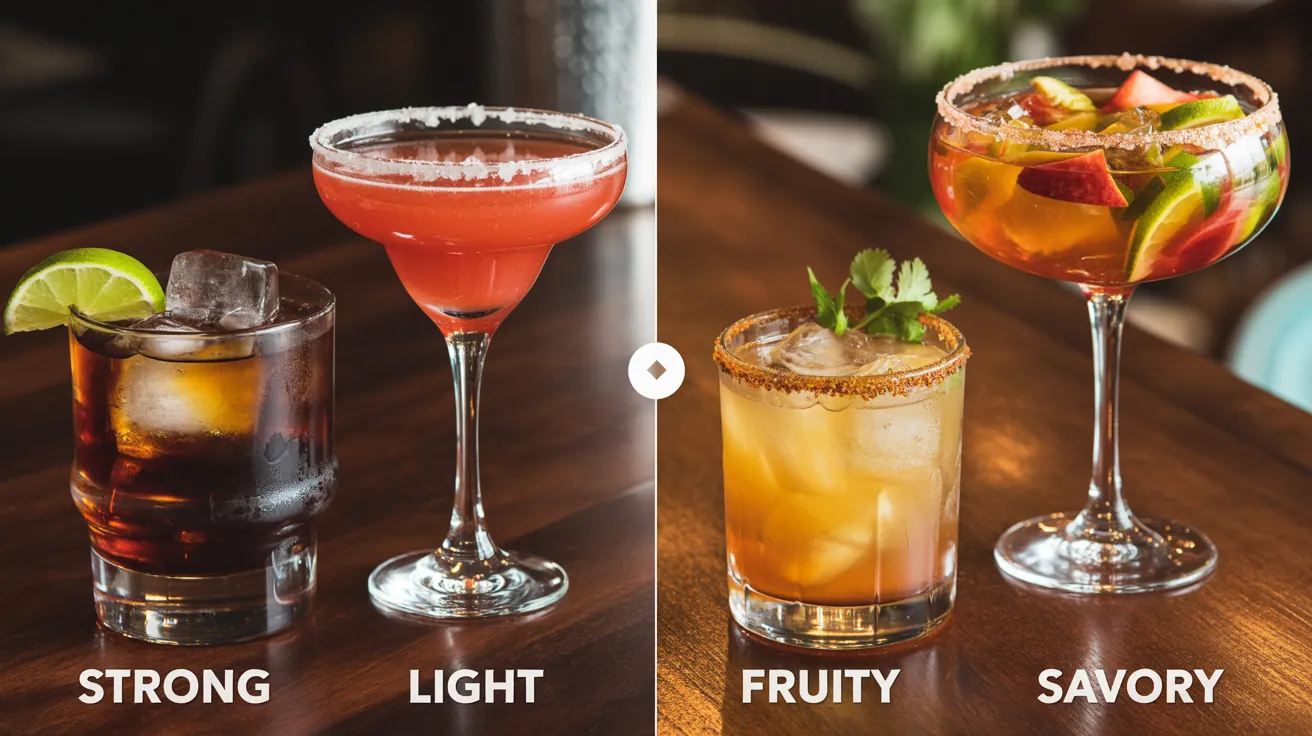
One of the most widespread myths about cocktails is that they’re all highly alcoholic. While some cocktails can be strong, many are quite mild. The alcohol content in cocktails can range from low to high depending on the recipe.
| Alcohol Content | Examples | ABV Range |
|---|---|---|
| Low | Mimosa, Shandy | 3-8% |
| Medium | Mojito, Margarita | 10-15% |
| High | Long Island Iced Tea, Zombie | 20-30%+ |
Many cocktail recipes can be tailored for a lower alcohol experience, perfect for brunches, casual gatherings, or light sippers. Professional bartenders often adjust the ratios to create “lighter” versions upon request, making cocktails flexible and inclusive.
Cocktails Are Always Sweet and Fruity
While fruity, sugary drinks like the Piña Colada and Daiquiri are popular, cocktails aren’t limited to sweet profiles. The flavor diversity in cocktails spans a wide spectrum:
- Savory cocktails: Bloody Mary, Dirty Martini
- Bitter cocktails: Negroni, Old Fashioned
- Herbal cocktails: Gin and Tonic, Mojito
- Spicy cocktails: Michelada, Spicy Margarita
This broad flavor palette makes cocktails suitable for a variety of palates, moods, and seasons, from bold and bitter to smoky and savory.
Cocktails Are Only for Special Occasions
This outdated belief underestimates how versatile cocktails have become. Today, people enjoy cocktails in everyday life, not just for celebrations. Here’s how cocktails fit into modern routines:
- After-work relaxation – a soothing nightcap or happy hour treat
- Meal accompaniment – paired with gourmet food like wine
- Casual socializing – shared at backyard barbecues or friend gatherings
- Weekend indulgence – an easygoing treat for downtime
Cocktails are no longer reserved for formal events—they’re now mainstream beverages suited for everyday enjoyment.
Cocktails Are Less Potent Than Straight Spirits
This is a misleading and potentially dangerous assumption. While a straight shot of liquor might seem stronger, many cocktails actually contain multiple spirits, raising their overall alcohol content.
Factors that influence cocktail potency include:
- The number of spirits used
- The ratio of alcohol to mixers
- The total drink volume
A Long Island Iced Tea, for example, contains up to five different spirits and can be stronger than a single shot of whiskey. Always pay attention to the ABV and portion size when enjoying mixed drinks, and prioritize responsible drinking.
The Cultural Significance of Cocktails
Cocktails in Social Settings
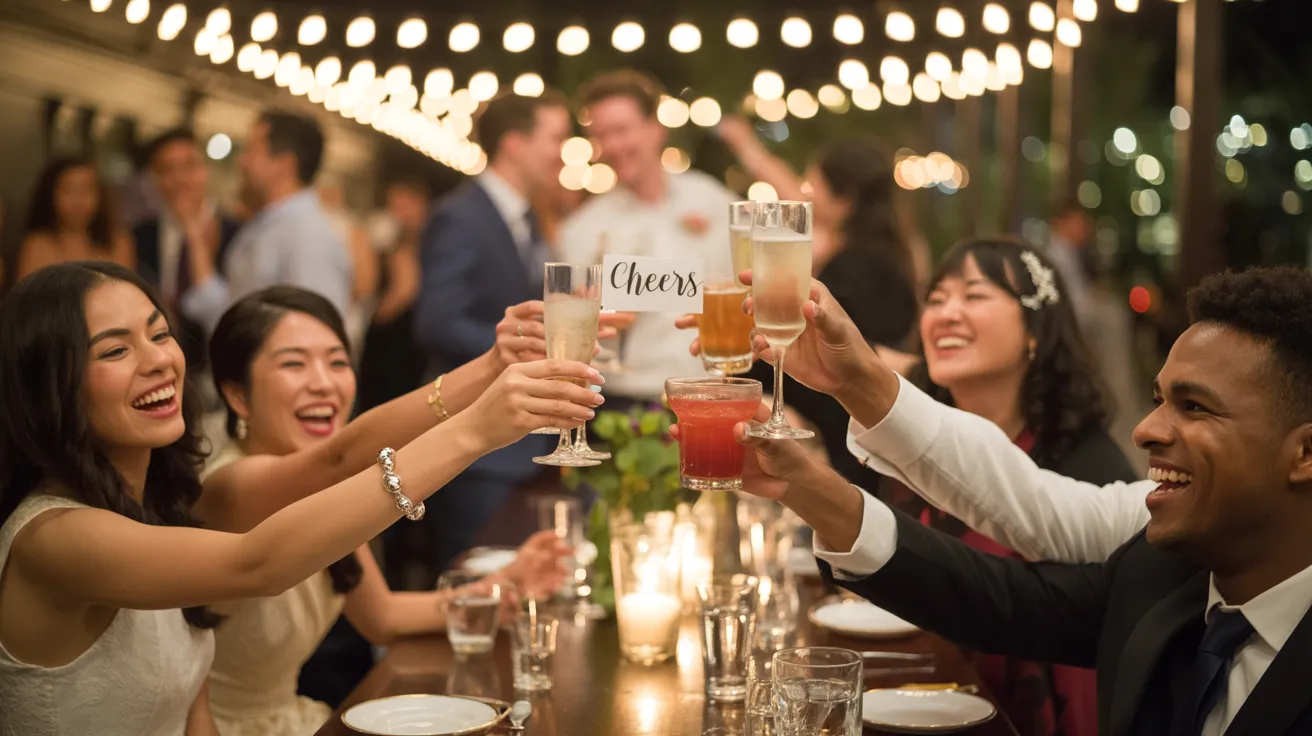
Cocktails have long played a vital role in social gatherings, acting as ice-breakers, celebratory symbols, and stylish accessories to the moment. Whether you’re mingling at a networking event or toasting at a wedding, cocktails help set the tone and encourage connection.
Here’s how cocktails enhance various social occasions:
| Social Setting | Role of Cocktails |
|---|---|
| Business Networking | Act as conversation starters, ease formal interactions |
| Weddings | Feature in celebratory toasts, personalized signature drinks |
| Holiday Parties | Serve as festive enhancers with seasonal flair |
| Dinner Parties | Offered as aperitifs or digestifs, elevate the dining experience |
Their visual appeal, customizable flavor profiles, and ability to adapt to diverse occasions make cocktails a cornerstone of modern social life.
Regional and National Cocktail Traditions
Across the globe, cocktail traditions reflect cultural identity and storytelling. These iconic drinks are more than just beverages—they’re symbols of history, climate, and national pride.
Here are a few examples of cocktail heritage around the world:
- Brazil – Caipirinha, made with cachaça and lime, embodies Brazil’s tropical zest
- Cuba – Mojito, blending rum, mint, and lime, offers a refreshing Caribbean classic
- Mexico – Margarita, featuring tequila and citrus, is synonymous with celebration
- United States – Manhattan, a timeless whiskey cocktail, represents American sophistication
These drinks often serve as cultural ambassadors, enjoyed by tourists and locals alike and celebrated during national holidays and international events.
The Rise of Craft Cocktail Culture
In the past decade, there has been an undeniable renaissance in cocktail craftsmanship. The craft cocktail movement is driven by a demand for:
- High-quality, often locally sourced ingredients
- Inventive, well-balanced flavor combinations
- Bartenders elevated to mixologist status—part artist, part scientist
- Striking presentations using elegant glassware, edible flowers, and custom garnishes
This trend has reshaped drinking culture into one of artistry and intentionality. From speakeasy bars to rooftop lounges, patrons now seek out places known for signature cocktails and expert mixology.
As a result, cocktail culture is no longer just about drinking—it’s about the experience, the story, and the atmosphere. Whether you’re savoring a smoky Old Fashioned or an herb-infused craft creation, you’re partaking in a growing global appreciation for the craft of cocktails.
Health Considerations of Cocktail Consumption
Calorie Content and Nutritional Aspects
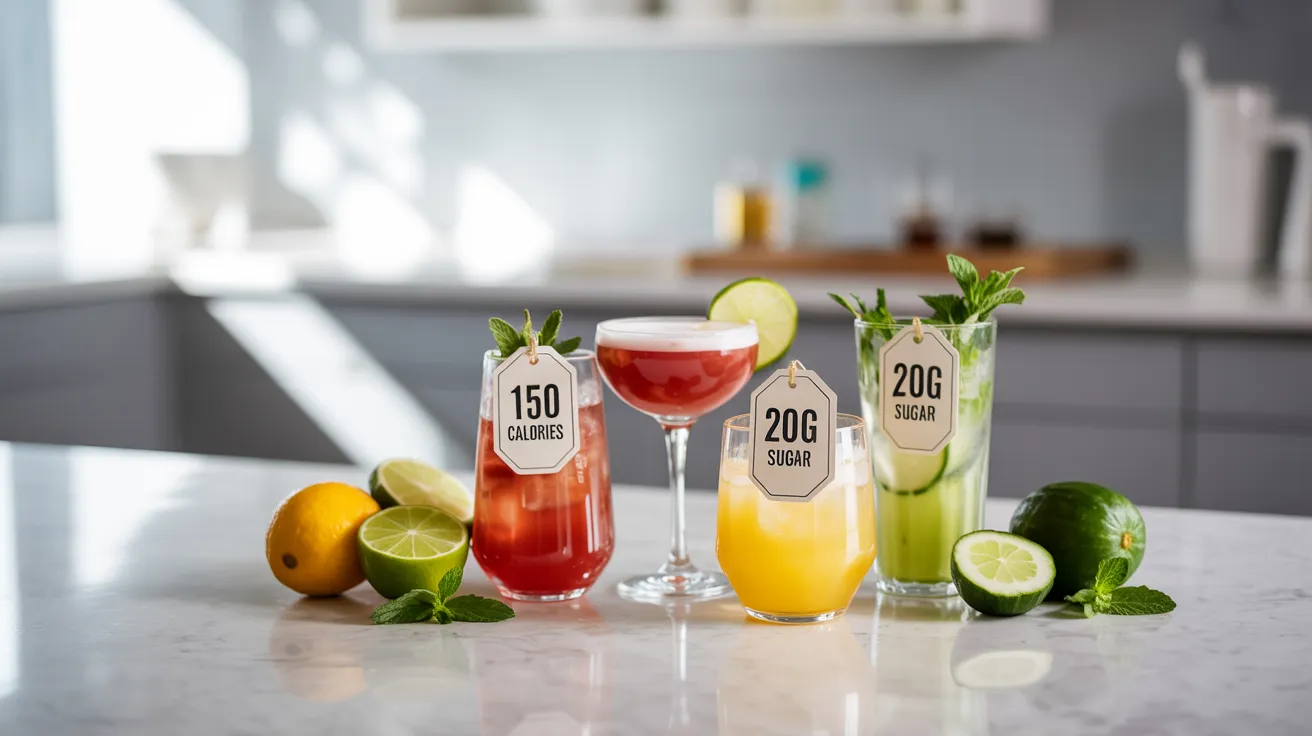
While cocktails may be delightful to sip, they can also be a hidden source of calories and sugar. Depending on the ingredients and serving size, a single cocktail can range from 100 to over 500 calories. High-sugar mixers, syrups, and liqueurs significantly contribute to these numbers.
Here’s a quick look at the calorie and sugar content in popular cocktails:
| Cocktail | Calories | Sugar (g) |
|---|---|---|
| Margarita | 200-300 | 15-25 |
| Mojito | 150-200 | 10-15 |
| Piña Colada | 300-500 | 30-40 |
| Gin & Tonic | 120-150 | 10-15 |
Choosing drinks with fresh juice, soda water, or light spirits can significantly reduce your intake of excess sugar and calories, helping you enjoy your night without sabotaging your wellness goals.
Potential Benefits of Moderate Consumption
Contrary to popular belief, moderate alcohol consumption—particularly when enjoyed in a social, controlled environment—may offer some potential health benefits, according to research. These include:
- Improved cardiovascular health (e.g., red wine’s antioxidant properties)
- Reduced risk of type 2 diabetes
- Enhanced mood and social bonding
However, these benefits are dose-dependent and vary by individual. Always consult a healthcare provider if you’re unsure how alcohol may affect your personal health.
Risks Associated with Excessive Cocktail Intake
While a cocktail now and then may not be harmful, excessive or habitual consumption can pose serious health risks:
- Liver damage from chronic alcohol intake
- Higher risk of certain cancers, especially digestive and breast cancers
- Unwanted weight gain due to empty calories and sugar
- Impaired decision-making and coordination, increasing the risk of accidents
It’s crucial to recognize personal limits and avoid binge drinking to safeguard your well-being.
Alternatives for Health-Conscious Drinkers
For those who want to enjoy the flavor and experience of a cocktail without the health drawbacks, there are smart alternatives:
- Choose low-calorie mixers like soda water, fresh citrus, or unsweetened tea
- Opt for light spirits like vodka or gin over sugary liqueurs
- Try mocktails—alcohol-free beverages that offer all the flair without the ABV
- Practice mindful drinking—savor each sip, and monitor your intake
With a little awareness and intention, you can still enjoy your favorite drinks while staying aligned with your health and fitness goals.
Sip Happens – Here’s What to Remember
Now that we’ve explored the health considerations of cocktail consumption, it’s clear that moderation and informed choices are key to enjoying these drinks responsibly.
Cocktails are a diverse and fascinating category of beverages that encompass far more than just alcohol. While many cocktails do contain spirits, their composition, cultural significance, and health implications are complex and often misunderstood. From their varied ingredients to their rich history, cocktails offer a world of flavors and experiences beyond mere intoxication.
As we navigate the world of cocktails, it’s crucial to approach them with knowledge and moderation. Whether you’re a cocktail enthusiast or simply curious about these mixed drinks, understanding their true nature allows for a more informed and enjoyable experience. Remember, responsible consumption and appreciation of the craft behind cocktails can lead to a more fulfilling and safer drinking culture.
👉 Upgrade your home bar with the 🛒 KITESSENSU Cocktail Shaker Set Bartender Kit—a complete mixology set with shaker, tools, and stand, perfect for cocktail lovers.
📌 Related Read: History of Cranberry Juice & Its Impact on Cocktails
Join the Conversation!
Drop your thoughts in the comments below and let’s chat about all things beverage!
Frequently Asked Questions (FAQ)
No, not all cocktails are alcoholic. While traditional cocktails contain spirits, mocktails are non-alcoholic versions crafted to mimic the complexity and appearance of cocktails without the alcohol.
The key difference is the presence of alcohol. A cocktail includes at least one alcoholic spirit, while a mocktail is completely alcohol-free but often uses similar ingredients like syrups, juices, and garnishes.
Yes. Many cocktails can be made with lower alcohol content, and some include very small amounts of alcohol depending on how they’re prepared. Light cocktails or custom “low-ABV” drinks are becoming increasingly popular.
The term “cocktail” has evolved to refer to a crafted beverage experience—not just a drink with alcohol. Many venues now offer alcohol-free drinks that resemble traditional cocktails in style, flavor, and presentation.
Often yes, but not always. Mocktails usually avoid alcohol, which reduces calorie and health risks. However, they can still contain high sugar levels depending on mixers used, so ingredient choices matter.
You can check the drink’s ABV (Alcohol By Volume) if listed on the menu or ask your bartender. Factors like spirit type, mixing ratio, and ice dilution all affect a cocktail’s strength.


