
Which is the More Eco-Friendly Choice?
Ever caught yourself standing in front of the grocery store cooler, hand hovering between bottled water and just… going home to your tap? You’re not alone. When comparing bottled water vs. tap water for environmental impact, your decision affects more than just your hydration. It ripples through energy consumption, plastic pollution, and even your wallet.
The average American drinks about 45 gallons of bottled water annually, while that plastic bottle you’re considering might be around for 450 years. Here’s the truth: most eco-friendly water choices aren’t as obvious as marketing wants you to believe.
But what if everything you’ve been told about water safety is just clever marketing? And what if the most eco-friendly choice isn’t the one requiring the most sacrifice?
👉 Elevate your hydration game with the 🛒 Ninja Thirsti Drink System – a powerful soda maker that lets you personalize your sparkling & still drinks with adjustable size, flavor, and carbonation! 🥤✨ Includes a 60L CO2 cylinder & flavored water drops for ultimate refreshment.
Environmental Impact of Bottled Water
Carbon Footprint of Production and Transportation
Ever wonder about the journey your bottled water takes before reaching your hands? It’s pretty wild. For every bottle you buy, massive amounts of greenhouse gases are pumped into the atmosphere. Manufacturing those plastic bottles requires petroleum, and the process spews out carbon dioxide like nobody’s business.
Then there’s transportation. Your water might travel hundreds or even thousands of miles from source to store. Those trucks, ships, and planes? They’re burning fossil fuels every mile of the way.
A single liter of bottled water generates about 80-125g of CO2 – that’s roughly 300 times more than tap water. Crazy, right?
Plastic Pollution Statistics and Concerns
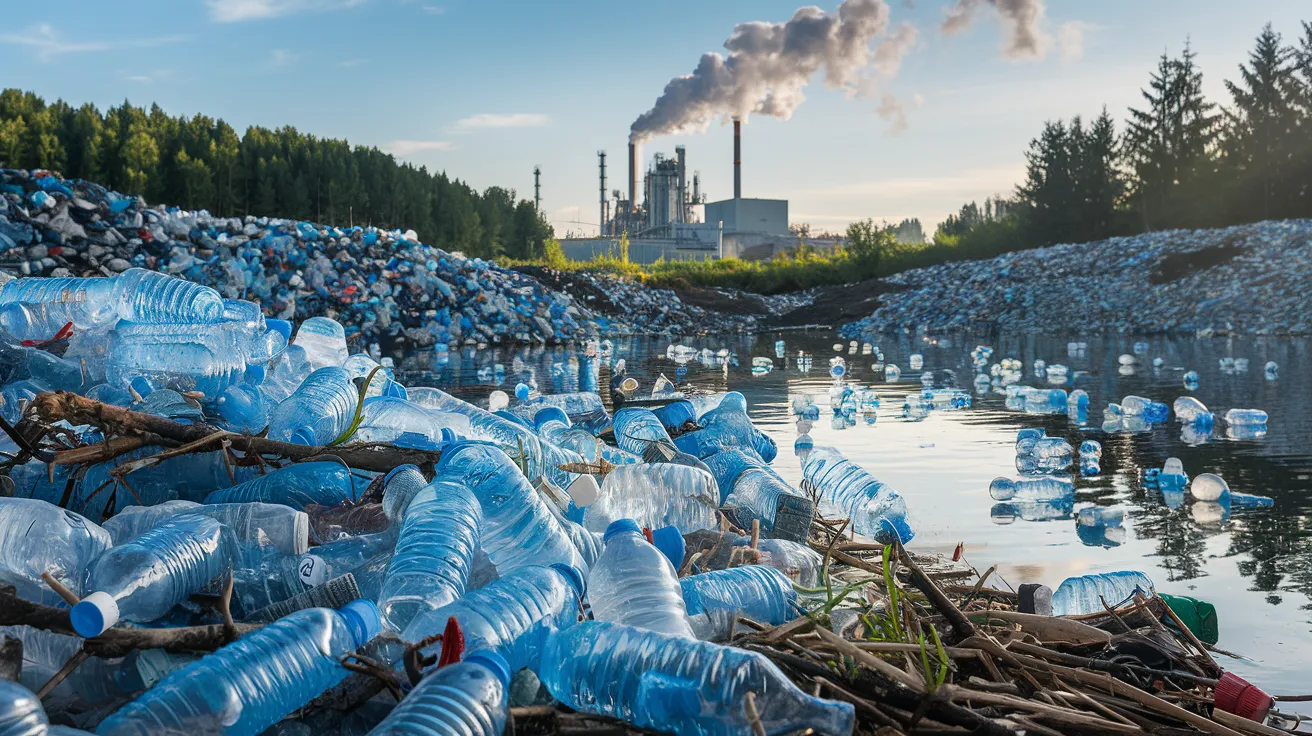
The numbers will knock your socks off. You’re looking at nearly 1 million plastic bottles purchased every minute worldwide. And where do most end up? Not in recycling bins.
About 80% of all water bottles become litter, clogging landfills and floating in our oceans. When you toss that empty bottle, it’s joining the 8 million tons of plastic that flood our oceans annually.
And here’s the kicker – that bottle you used for 15 minutes? It’ll stick around for 450+ years. While you’re living your life, that bottle’s just sitting there, slowly breaking down into microplastics that contaminate water and harm wildlife.
Energy Consumption in Manufacturing
Your plastic water bottle habit is an energy vampire. The manufacturing process gulps down enormous amounts of energy – about 17 million barrels of oil yearly just for US demand. That’s enough to fuel over 1 million cars for a year!
It takes 3 times more water to produce the bottle than it does to fill it. Think about that – when you drink a 16oz bottle, 48oz of water went into making the container. Talk about inefficient!
Recycling Rates and Challenges
Thought recycling solved the problem? Think again. Only about 9% of all plastic waste gets recycled globally.
Why so low? Your plastic bottle faces numerous hurdles in its recycling journey. Different plastic types need different processes, and contamination from things like food residue or non-recyclable caps can ruin entire batches.
Collection systems vary wildly depending on where you live. Some neighborhoods make recycling super easy, while others lack proper infrastructure entirely.
Even when you do everything right, many bottles still don’t make it. They might be exported to countries with poor waste management or simply deemed too costly to process. Your diligent recycling efforts sometimes hit dead ends in a system that’s still painfully flawed.
The Truth About Tap Water

Quality Standards and Safety Regulations
Wondering if your tap water is actually safe? You’re not alone. Here’s the deal: tap water in the US must meet strict EPA standards under the Safe Drinking Water Act. This isn’t just some random testing – water utilities run hundreds of tests daily checking for over 90 contaminants.
Your water provider must send you an annual report (called a Consumer Confidence Report) showing exactly what’s in your water. Pretty transparent, right?
Treatment Processes Explained
Ever thought about how your tap water gets clean enough to drink? The journey’s actually fascinating.
Your water typically goes through:
- Coagulation (chemicals grab onto dirt particles)
- Sedimentation (the heavy stuff sinks)
- Filtration (catching tiny particles)
- Disinfection (killing harmful bacteria)
This whole process takes hours – not the years bottled water sits in plastic containers.
Regional Variations in Water Quality
Your zip code definitely affects your water quality. Living in rural Colorado? Your water might taste different than your friend’s in Chicago.
Factors affecting your local water include:
- Source water (groundwater vs. surface water)
- Local geology (minerals that naturally occur)
- Surrounding industries
- Age of pipes in your neighborhood
Infrastructure and Delivery Efficiency
The pipes bringing water to your home are part of a massive infrastructure network. In most cities, water travels just miles from treatment to your tap – using gravity when possible to save energy.
This network delivers water to your home for pennies per gallon. Compare that to bottled water‘s 2000x markup!
Energy Footprint of Municipal Systems
Your tap water‘s carbon footprint? Way smaller than bottled. Municipal systems use energy mostly for pumping and treatment, but the efficiency of scale is incredible.
When you turn on your faucet, you’re using about 0.0003 kWh of electricity per gallon. Bottled water? Up to 2000 times more energy when you factor in production, packaging, refrigeration, and transportation.
Health Considerations for Both Options
Mineral Content Comparison
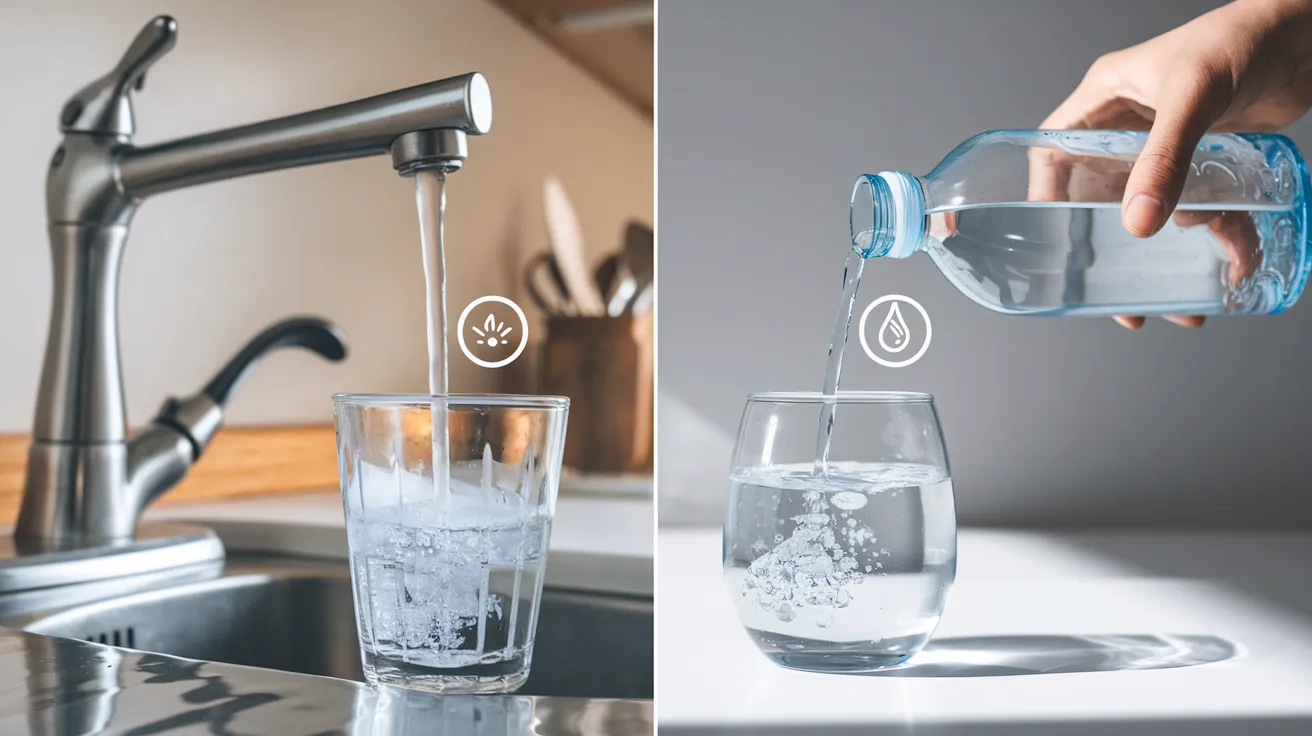
Ever wondered what’s actually in your water? Tap water contains minerals picked up naturally as it travels through rocks and soil. You’ll typically find calcium, magnesium, potassium, and sodium—all good stuff your body needs.
Bottled water varies wildly. Some brands are just filtered tap water with minimal minerals. Others market themselves as “mineral-rich” with higher levels of calcium and magnesium than what comes from your faucet.
Here’s a quick breakdown of what you might find in each:
| Mineral | Tap Water (avg) | Standard Bottled | Premium Mineral Water |
|---|---|---|---|
| Calcium | 20-80 mg/L | 0-60 mg/L | 50-300 mg/L |
| Magnesium | 2-20 mg/L | 1-15 mg/L | 20-100 mg/L |
| Sodium | 5-50 mg/L | 5-20 mg/L | 10-70 mg/L |
Chemical Additives and Contaminants
Your tap water contains chlorine or chloramine—disinfectants that keep water safe during its journey to your home. While these chemicals kill harmful bacteria, they also create that distinctive “tap water smell” you probably notice.
Bottled water companies typically remove chlorine, but here’s the catch: plastic bottles can leach chemicals like BPA or antimony into water, especially when exposed to heat. And those “pure spring water” claims? The FDA regulations allow bottled water to contain certain levels of contaminants.
Taste Differences Explained
The taste difference you notice isn’t just in your head! Several factors affect how your water tastes:
- Mineral content: Higher mineral content (especially calcium and magnesium) gives water a distinct flavor that many find pleasant
- Temperature: Cold water tastes better because it dulls some chemical flavors
- Chlorine: The biggest taste difference between tap and bottled water comes from chlorine—when you filter it out, tap water often tastes very similar to bottled
- Container effect: Water in plastic bottles absorbs subtle flavors from packaging materials
You can easily improve your tap water‘s taste with a simple carbon filter, getting bottled-quality taste without the environmental impact.
Economic Analysis
Cost Comparison Over Time
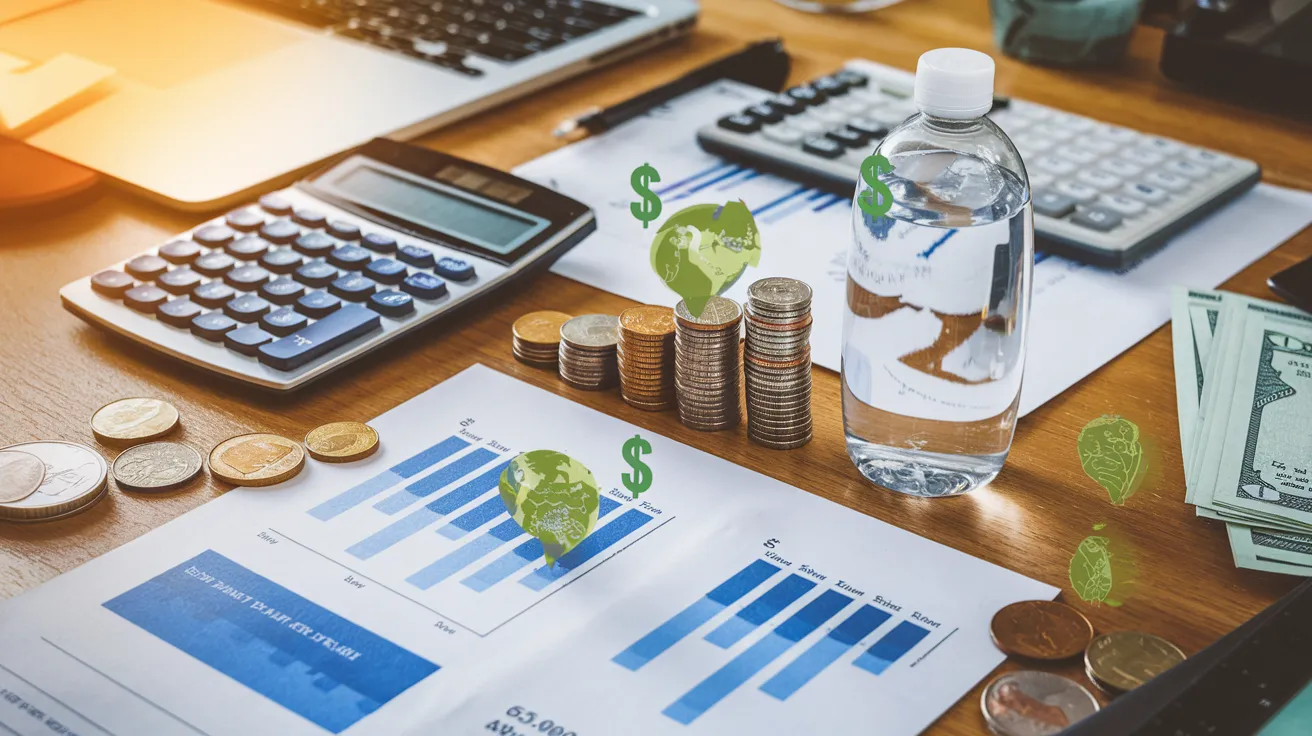
Think you’re saving money with bottled water? Think again. When you do the math, tap water costs about $0.005 per gallon, while bottled water ranges from $0.89 to $8.26 per gallon. That’s roughly 200 to 1,700 times more expensive!
For a family of four drinking the recommended daily water intake:
| Water Source | Monthly Cost | Yearly Cost |
|---|---|---|
| Tap Water | $0.60 | $7.20 |
| Bottled Water | $75-$150 | $900-$1,800 |
You’re not just paying for water—you’re paying for plastic production, marketing, and transportation. That’s money that could stay in your pocket.
Hidden Environmental Costs
The price tag on bottled water doesn’t tell the whole story. You’re also paying with:
- Energy consumption: It takes 2,000 times more energy to produce bottled water than tap water
- Oil usage: Creating plastic bottles for US consumption alone uses 17 million barrels of oil yearly
- Waste management: Your tax dollars fund the cleanup and management of plastic waste
These costs don’t show up on your receipt but still impact your wallet through taxes and future environmental remediation fees.
Impact on Public Infrastructure Funding
Every time you choose bottled over tap, you’re inadvertently undermining public water systems. When bottled water sales increase, support for infrastructure investment decreases.
Many municipalities struggle with declining revenue as bottled water becomes more popular. This creates a dangerous cycle: less funding leads to deteriorating infrastructure, which makes people trust tap water less, driving more bottled water purchases.
By choosing tap water, you’re investing in your community’s future and ensuring clean, affordable water remains available to everyone, not just those who can afford bottled alternatives.
Sustainable Alternatives and Solutions

Home Filtration Systems
Tired of plastic bottle waste but worried about tap water quality? Home filtration systems are your eco-friendly savior. You’ll find options ranging from simple pitcher filters ($20-40) to under-sink systems ($100-300) that remove contaminants while keeping the good minerals your body needs.
By switching to a filter, you’ll slash your plastic footprint dramatically. Think about it – one filter can replace hundreds of plastic bottles! Most systems need filter changes every 2-3 months, saving you money in the long run compared to buying bottled water.
Reusable Bottle Options
The reusable bottle market has exploded with choices that match your lifestyle perfectly. You can pick from:
- Stainless steel: Super durable and keeps drinks cold for 24+ hours
- Glass: No flavor transfer and dishwasher safe
- BPA-free plastic: Lightweight for your gym bag or hiking adventures
Your reusable bottle pays for itself after about 20 uses. Plus, many coffee shops and stores now offer discounts when you bring your own container!
Community Water Stations
Have you noticed those refill stations popping up in parks and public spaces? These community hydration hubs let you top up for free while you’re out and about. Some cities have installed smart water fountains that count plastic bottles saved with each refill.
Policy Changes That Make a Difference
Your voice matters in pushing for wider change. Support policies that:
- Ban single-use plastics in your community
- Require better testing of public water supplies
- Fund infrastructure improvements for cleaner tap water
- Create incentives for businesses that install water refill stations
When you vote with your wallet and your actual vote, you help create systems where the eco-friendly choice becomes the easy choice for everyone.
Pour Decisions? Not Anymore
Choosing the more eco-friendly water option has significant implications for both your health and the planet. As you’ve seen, bottled water creates substantial environmental harm through plastic production, transportation emissions, and waste accumulation. Meanwhile, tap water requires far fewer resources to deliver to your home, though water treatment does have its own carbon footprint. When considering health aspects, properly regulated tap water offers safety comparable to bottled water in most developed regions, while being dramatically more affordable over time.

You can make a positive environmental impact today by switching to filtered tap water and carrying a reusable water bottle. For situations where tap water isn’t available or safe, consider larger water dispensers or bottles made from more sustainable materials. Your individual choices matter—by reducing bottled water consumption, you’re helping to decrease plastic pollution and conserve valuable resources for future generations. The evidence is clear: tap water is generally the more eco-friendly, economical, and practical choice for your daily hydration needs.
👉 Stay hydrated effortlessly with this 🛒 USB-charging automatic water dispenser, perfect for home, office, or camping—simply attach it to any 5-gallon bottle for instant, spill-free water dispensing anywhere!
📌 Related Read: Is Flavored Water Healthy or Should You Avoid It?
Join the Conversation!
Drop your thoughts in the comments below and let’s chat about all things beverage!
Frequently Asked Questions (FAQ)
Yes, in most developed countries, tap water is strictly regulated and tested for safety. It often meets or exceeds quality standards set by health authorities. However, local contamination or aging infrastructure can occasionally affect water quality, so checking local reports is recommended.
Bottled water contributes significantly to plastic pollution. The production and transportation of plastic bottles require fossil fuels and generate greenhouse gases. Many bottles end up in landfills or oceans, even if they are recyclable.
Producing bottled water uses up to 2,000 times more energy than producing the same amount of tap water. This includes energy for extracting, bottling, transporting, and refrigerating the bottles.
Tap water has a far lower carbon footprint. Bottled water generates greenhouse gas emissions through plastic production and distribution, while tap water relies on existing infrastructure with minimal energy input per liter delivered.
Absolutely. Water filters can remove contaminants like chlorine, lead, and sediment, improving both safety and taste. Common filter options include faucet attachments, pitchers, and whole-home systems.
Yes, but they differ. In many countries, tap water is regulated by public health authorities, while bottled water may fall under food and beverage regulation, which sometimes has less stringent or less frequent testing standards.
Globally, only about 9–30% of plastic bottles are recycled, depending on the country. The rest end up in landfills, incinerators, or the environment, contributing to plastic pollution.
Not necessarily. Studies have shown that bottled water is often just filtered tap water. In blind taste tests, many people can’t distinguish between the two — and sometimes tap water even wins in flavor.
Use a reusable water bottle and fill it with tap water. Consider investing in a water filter if needed. Avoid single-use plastic bottles whenever possible to minimize waste and carbon emissions.
Reusable bottles made from stainless steel, glass, or BPA-free plastic are excellent alternatives. Portable water purifiers and public refill stations also support sustainable hydration when traveling.


