
The Science Behind Hydration & Brain Performance
Are you struggling to stay focused throughout the day? Do you find your mind wandering when you need it most? The solution might be simpler than you think: hydration, to boost your focus. While we often associate drinking water with physical health, its impact on our mental performance is equally profound.

Dehydration can lead to a foggy brain, decreased concentration, and reduced cognitive function. But here’s the good news: by understanding the science behind hydration and brain performance, you can unlock your mind’s full potential. In this blog post, we’ll dive deep into the fascinating connection between what you drink and how you think.
👉 Cleanse & energize naturally with 🛒 Garden of Life Raw Organic Perfect Food Alkalizer & Detoxifier—a powerful lemon ginger superfood powder packed with juiced greens, probiotics, and whole food nutrients to support detox, digestion, and immunity.
Get ready to explore the critical link between hydration and brain function, unravel the science behind this vital relationship, and discover practical strategies to keep your mind sharp and focused. From recognizing the subtle signs of dehydration to learning the hydration habits of high performers, we’ll equip you with the knowledge and tools to boost your focus and elevate your mental game. Let’s begin this journey to a more hydrated, more focused you!
The Critical Link Between Hydration and Brain Function

How water impacts cognitive processes
Water plays a crucial role in maintaining optimal brain function. It’s not just about quenching thirst; hydration directly influences our cognitive abilities. Here’s how water impacts our cognitive processes:
- Oxygen delivery: Proper hydration ensures efficient blood flow, delivering oxygen to the brain.
- Neurotransmitter balance: Water helps maintain the balance of neurotransmitters, essential for cognitive function.
- Toxin removal: Adequate hydration aids in flushing out toxins that can impair brain performance.
- Temperature regulation: Water helps regulate brain temperature, crucial for optimal neural activity.
The Science of Hydration: Boost Your Productivity (YouTube Video)
Dehydration’s effects on focus and memory
Even mild dehydration can significantly impact our ability to focus and retain information. Studies have shown that a mere 1-2% decrease in body water content can lead to:
- Reduced attention span
- Impaired short-term memory
- Decreased reaction times
- Increased mental fatigue
These effects can be particularly detrimental in high-stakes situations or during tasks requiring sustained concentration.
Optimal hydration levels for peak mental performance
To achieve peak mental performance, it’s essential to maintain optimal hydration levels. While individual needs may vary, general guidelines suggest:
- Consuming 8-10 glasses of water daily
- Adjusting intake based on activity level and climate
- Monitoring urine color (pale yellow indicates good hydration)
By prioritizing hydration, you can enhance cognitive function, improve focus, and boost overall brain performance. Next, we’ll delve deeper into the science behind hydration and its effects on the body.
Unraveling the Science of Hydration
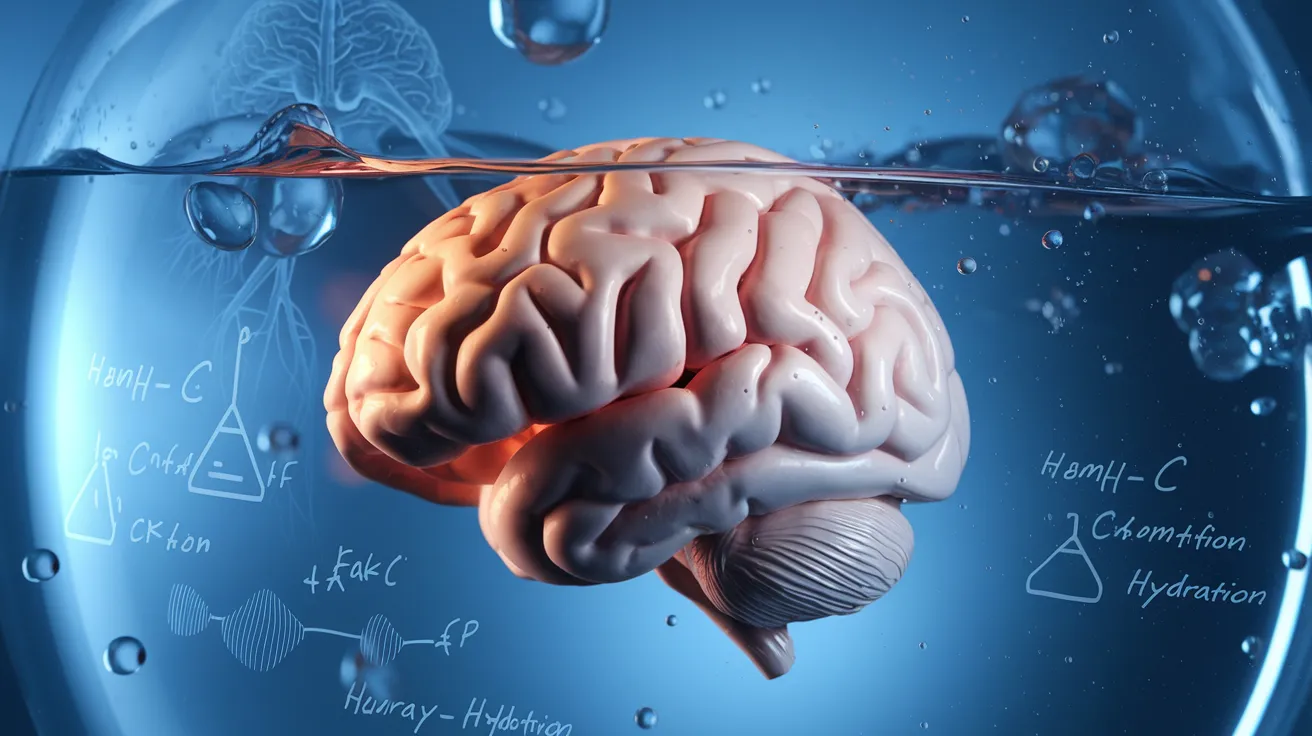
The brain’s water composition
The human brain is approximately 75% water, making it one of the most water-dependent organs in the body. This high water content is crucial for maintaining optimal brain function, including cognitive processes like focus and concentration. The brain’s water composition plays a vital role in:
- Maintaining cell structure and integrity
- Facilitating electrical signaling between neurons
- Supporting the production and distribution of neurotransmitters
- Regulating brain temperature
How dehydration affects neurotransmitter function
Dehydration can significantly impact neurotransmitter function, leading to decreased cognitive performance. When the brain lacks adequate hydration:
- Neurotransmitter production is reduced
- Synaptic transmission becomes less efficient
- Neurotransmitter reuptake is impaired
- The balance of excitatory and inhibitory neurotransmitters is disrupted
These effects can result in decreased focus, impaired memory, and slower reaction times.
Blood flow and nutrient delivery to the brain
Proper hydration is essential for maintaining optimal blood flow to the brain. When we’re well-hydrated:
- Blood volume increases, improving circulation
- Oxygen and nutrient delivery to brain cells is enhanced
- Waste products are more efficiently removed from the brain
Conversely, dehydration can lead to reduced blood flow, potentially impacting cognitive function and focus.
Electrolyte balance and neural signaling
Electrolytes play a crucial role in neural signaling and brain function. Proper hydration helps maintain the delicate balance of electrolytes such as sodium, potassium, and chloride. This balance is essential for:
- Generating and transmitting electrical impulses between neurons
- Regulating neurotransmitter release
- Maintaining cellular fluid balance in the brain
When electrolyte balance is disrupted due to dehydration, neural signaling can become less efficient, potentially leading to decreased focus and cognitive performance.
Signs of Dehydration-Induced Focus Issues

Difficulty concentrating
One of the most noticeable signs of dehydration-induced focus issues is difficulty concentrating. When your brain lacks proper hydration, it struggles to maintain optimal cognitive function. This can manifest as:
- Easily distracted by external stimuli
- Trouble staying on task
- Difficulty processing complex information
- Reduced ability to retain new information
Increased mental fatigue
Dehydration can lead to a significant increase in mental fatigue, making it challenging to stay alert and productive throughout the day. Some indicators of mental fatigue due to inadequate hydration include:
- Feeling mentally drained earlier in the day than usual
- Struggling to complete tasks that typically come easily
- Experiencing a decline in creative thinking and problem-solving abilities
Mood changes and irritability
Lack of proper hydration can also affect your emotional state, leading to mood changes and increased irritability. This can manifest as:
- Sudden mood swings
- Feeling more easily frustrated or annoyed
- Decreased patience in social interactions
- General sense of unease or discomfort
Slower reaction times
Dehydration can significantly impact your reaction times, affecting both mental and physical performance. This can be observed through:
- Delayed responses to visual or auditory stimuli
- Increased time needed to make decisions
- Slower physical reflexes in activities requiring hand-eye coordination
Now that we’ve explored the signs of dehydration-induced focus issues, let’s move on to practical strategies for staying hydrated and maintaining optimal brain performance.
Strategies to Stay Hydrated for Better Focus

Calculating your daily water needs
To optimize your hydration for better focus, start by determining your daily water requirements. A general rule of thumb is to consume 8 glasses (64 ounces) of water per day. However, individual needs vary based on factors such as:
- Body weight
- Activity level
- Climate
- Age
A more personalized approach is to calculate 0.5-1 ounce of water per pound of body weight. For example, a 150-pound person should aim for 75-150 ounces of water daily.
Creating a hydration schedule
Establishing a consistent hydration routine is crucial for maintaining focus throughout the day. Consider the following tips:
- Start your day with a glass of water
- Drink water before and during meals
- Set reminders to drink water every hour
- Consume an extra glass of water before and after exercise
Choosing hydration-boosting foods
Incorporate water-rich foods into your diet to supplement your fluid intake:
- Cucumbers (96% water)
- Watermelon (92% water)
- Strawberries (91% water)
- Lettuce (95% water)
- Zucchini (94% water)
These foods not only contribute to hydration but also provide essential nutrients for brain health.
Smart beverage choices for cognitive enhancement
While water is the best choice for hydration, other beverages can offer additional cognitive benefits:
- Green tea: Contains L-theanine, which may improve focus
- Coconut water: Rich in electrolytes for optimal hydration
- Herbal teas: Caffeine-free options for afternoon hydration
- Vegetable juices: Provide hydration and essential nutrients
Using technology to track water intake
Leverage technology to monitor and improve your hydration habits:
- Water tracking apps (e.g., WaterMinder, Hydro Coach)
- Smart water bottles with built-in tracking
- Wearable devices that monitor hydration levels
By implementing these strategies, you can maintain optimal hydration levels, leading to improved focus and cognitive performance throughout the day. Next, we’ll explore additional hydration sources that can further enhance brain health.
Beyond Water: Other Hydration Sources for Brain Health

Electrolyte-rich drinks
While water is essential for hydration, electrolyte-rich drinks can provide additional benefits for brain health and focus. These beverages help maintain the delicate balance of minerals in your body, which is crucial for optimal cognitive function. Some excellent options include:
- Coconut water: Rich in potassium and naturally occurring electrolytes
- Sports drinks: Formulated to replenish electrolytes lost during intense physical activity
- Homemade electrolyte solutions: A mixture of water, salt, and a small amount of natural sugar
Hydrating foods with high water content
Incorporating water-rich foods into your diet can significantly contribute to your overall hydration levels. These foods not only provide water but also essential nutrients that support brain health:
- Cucumbers (96% water)
- Watermelon (92% water)
- Strawberries (91% water)
- Spinach (91% water)
- Cantaloupe (90% water)
These foods can be easily incorporated into meals or enjoyed as snacks throughout the day, helping you maintain hydration and support cognitive function.
Herbal teas and their cognitive benefits
Herbal teas offer a flavorful way to stay hydrated while potentially boosting brain function. Some herbal teas known for their cognitive benefits include:
- Green tea: Contains L-theanine, which may improve focus and reduce anxiety
- Peppermint tea: Can enhance alertness and memory
- Ginkgo biloba tea: May improve blood flow to the brain and enhance cognitive function
By incorporating these alternative hydration sources into your daily routine, you can support your brain health and maintain optimal focus throughout the day. Next, we’ll explore the hydration habits of high performers and how you can adopt them for improved cognitive function.
Hydration Habits of High Performers

Case studies of successful individuals
High performers across various fields have recognized the importance of hydration for maintaining peak mental performance. For instance, Elon Musk, known for his intense work ethic, reportedly drinks several liters of water daily to stay sharp during long work sessions. Similarly, former First Lady Michelle Obama emphasizes the importance of staying hydrated as part of her overall wellness routine, which she credits for her ability to maintain focus and energy throughout demanding schedules.
Hydration routines in high-stress professions
Professionals in high-pressure environments have developed specific hydration habits to combat stress and maintain cognitive function:
- Surgeons often hydrate before lengthy procedures to maintain concentration
- Air traffic controllers keep water readily available during shifts to stay alert
- Corporate executives schedule regular water breaks during intensive meetings
These practices underscore the critical role of hydration in maintaining mental acuity under pressure.
Athlete hydration strategies for mental clarity
Athletes have long recognized the link between hydration and both physical and mental performance. Many implement strategic hydration protocols:
- Pre-game hydration: Consuming adequate fluids hours before competition
- In-game hydration: Regular water intake during breaks or time-outs
- Post-game rehydration: Replenishing fluids lost through sweat to aid recovery
By prioritizing hydration, athletes not only enhance their physical capabilities but also maintain the mental sharpness required for split-second decision-making and sustained focus throughout competitions.
Clear Your Mind—Just Add Water

Staying hydrated is more than just quenching your thirst—it’s a powerful tool for enhancing your cognitive abilities and maintaining peak brain performance. From understanding the science behind hydration‘s impact on brain function to recognizing the signs of dehydration-induced focus issues, we’ve explored how proper hydration can significantly boost your mental acuity.
👉 Stay hydrated effortlessly with this 🛒 USB-charging automatic water dispenser, perfect for home, office, or camping—simply attach it to any 5-gallon bottle for instant, spill-free water dispensing anywhere!
By implementing strategies to stay hydrated throughout the day and incorporating a variety of hydration sources beyond water, you can optimize your brain health and focus. Take inspiration from the hydration habits of high performers and make conscious efforts to prioritize your fluid intake. Remember, a well-hydrated brain is a high-functioning brain, capable of tackling challenges with improved concentration and mental clarity. Start your journey to better focus today by making hydration a cornerstone of your daily routine.
📌 Related Read: Is Alkaline Water Better Than Regular Water?
Join the Conversation!
Drop your thoughts in the comments below and let’s chat about all things beverage!
Frequently Asked Questions (FAQ)
A general guideline is to drink 0.5–1 ounce of water per pound of body weight. For example, a 150-pound person should aim for 75–150 ounces per day.
Yes, even mild dehydration can impair short-term memory, reduce attention span, and contribute to mental fatigue or brain fog.
Yes. Green tea, coconut water, and herbal teas can improve focus due to their combination of hydration and brain-supportive nutrients like L-theanine.
Water-rich foods like cucumbers, watermelon, spinach, strawberries, and cantaloupe help hydrate while providing antioxidants and vitamins for cognitive health.
Signs of dehydration include dark urine, fatigue, headaches, dry mouth, irritability, and difficulty concentrating. Aim for pale yellow urine as a sign of good hydration.


