
Flavored coffee is now a favorite in many coffee shops and homes in the U.S. You can find flavors like vanilla, hazelnut, caramel, and peppermint. This popularity has raised questions about flavored coffee’s health effects. We’ll look into the myths and facts about flavored coffee in this article.
The demand for unique coffee flavors has grown, leading to a bigger market for flavored coffee. Many coffee fans love the rich tastes of flavored coffee. But, some wonder about the health risks of coffee flavorings and flavored beans. We’ll explore flavored coffee, its differences from regular coffee, and the science behind flavoring.
👉 So get barista-level brewing at home with the 🛒 Ninja DualBrew 12-Cup Drip Coffee Maker
Key Takeaways
- Flavored coffee has become a popular choice among coffee lovers in the United States
- Coffee flavorings and flavored coffee beans are used to create unique flavors
- There are concerns about the potential health implications of flavored coffee
- The market for flavored coffee has grown significantly in recent years
- Flavored coffee offers a range of flavors, from vanilla and hazelnut to caramel and peppermint
- Coffee flavorings can be natural or artificial, affecting the overall taste and quality of the coffee
What Makes Flavored Coffee Different from Regular Coffee
Flavored coffee has become more popular in recent years. Many coffee lovers are looking for unique flavors to enjoy every day. The main difference between flavored and regular coffee is how they are made.
Flavored coffee beans are infused with natural flavorings or artificial additives. This creates distinct tastes and aromas. The flavoring process involves adding these ingredients to the coffee beans.
This can be done through spraying, dusting, or infusing. It allows for a wide range of flavors. You can find everything from classic vanilla and hazelnut to unique flavors like caramel and peppermint.
Some common flavoring ingredients include:
- Natural extracts, such as vanilla and hazelnut
- Artificial additives, like caramel and peppermint
- Coffee flavorings that are specifically designed to enhance the flavor of the coffee beans
These ingredients help create a variety of flavors. You can find everything from subtle and smooth to bold and intense. Whether you like flavored coffee beans with natural or artificial flavorings, there’s something for everyone.
The Rising Popularity of Flavored Coffee in American Culture
Flavored coffee is now a big hit in American coffee shops and homes. Its popularity keeps growing. The unique tastes and easy availability of flavored coffee have made it very popular. Many coffee shops and brands now offer a wide range of flavored coffee options.
The variety of flavors in flavored coffee is a big reason for its popularity. Flavors range from sweet and creamy to bold and spicy. This variety appeals to coffee lovers who enjoy trying new flavors. Also, the health benefits of moderate coffee drinking have helped flavored coffee become more popular.
But, it’s important to think about the potential risks of flavored coffee. Some flavored coffees have a lot of sugar, calories, or artificial ingredients. These can be bad for your health. So, it’s key to check the ingredients and nutritional content of flavored coffee drinks.
As flavored coffee‘s demand keeps rising, we’ll likely see even more unique flavors. Coffee lovers can make smart choices about flavored coffee. They can enjoy the benefits while avoiding the risks.
Understanding the Science Behind Coffee Flavoring
Coffee flavorings mix many chemical compounds that change how coffee tastes and smells. The mix can vary a lot, based on what’s in it and how it’s made. This makes it key to know the science of coffee flavoring.
👉 Brew barista-quality espresso anywhere with the 🛒 OutIn Nano Portable Electric Espresso Machine—a self-heating, USB-C powered coffee maker perfect for camping, travel, and on-the-go coffee lovers, compatible with both ground coffee and NS capsules.
Studies show that many things can change the mix of coffee flavorings. This includes the coffee beans, how they’re roasted, and what’s added to them. Industry standards help make sure flavored coffee is safe and good quality.
Some important things that change coffee flavorings include:
- Volatile compounds: These are the molecules that make coffee smell.
- Flavor precursors: These are the compounds that add to coffee’s taste.
- Flavoring agents: These are the things added to coffee to give it a certain taste.
Knowing the science of coffee flavoring helps people choose better coffee. It’s important to know the risks of flavored coffee and pick coffee that’s safe and good quality.
Health Implications of Drinking Flavored Coffee Daily
Drinking flavored coffee every day can be good or bad for our health. Some flavored coffees have flavored coffee health benefits like antioxidants and mood boosts. But, many commercial ones are high in sugar, calories, and artificial stuff. This can lead to obesity, diabetes, and heart disease.
Drinking flavored coffee daily can also raise the risk of tooth decay, high blood pressure, and some cancers. Artificial flavorings and additives can cause allergies, stomach issues, and other health problems. But, natural flavorings are safer because they come from nature.
Here are some important things to think about when drinking flavored coffee daily:
- Go for flavored coffees with natural flavorings to avoid health risks.
- Watch the sugar and calorie count in your coffee. Choose low-calorie or sugar-free ones when you can.
- Make your own flavored coffee at home. Use natural ingredients like vanilla, cinnamon, and nutmeg to avoid artificial additives.
By knowing the flavored coffee risks and taking steps to reduce them, we can enjoy the flavored coffee health benefits. This way, we can protect our health and well-being.
Better Alternatives for Coffee Flavor Enhancement
Looking to make your coffee taste better without artificial stuff? There are great alternatives out there. Natural flavorings and organic options are becoming more popular. They’re good for you and the planet. You can also try adding natural spices or making your own flavorings at home.
Natural spices like cinnamon, nutmeg, and cardamom can make your coffee taste richer. Organic flavors like vanilla and hazelnut can also add new tastes. Making your own coffee syrups and creamers is a fun way to avoid artificial additives.
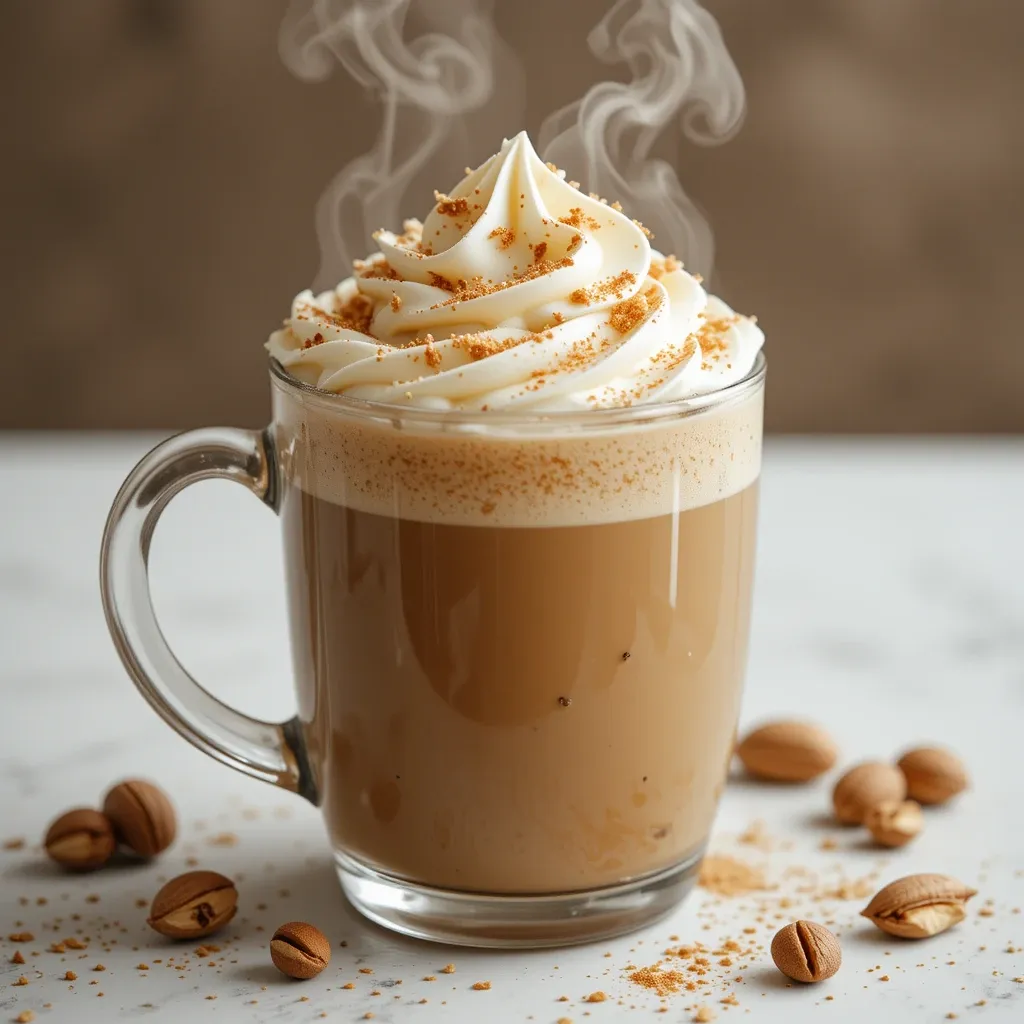
Try this delicious Vanilla Hazelnut Flavored Coffee
DIY coffee flavoring opens up a world of possibilities. Here are a few ideas:
- Infuse your coffee with fruits like citrus or berries for a sweet and tangy taste.
- Try using herbs like mint or basil for a refreshing and unique flavor.
- Experiment with spices like ginger or cloves to add warmth and depth to your coffee.
By trying out these natural and organic options, you can make your coffee taste amazing. And you’ll avoid the chemicals and additives found in some commercial flavorings.
👉 Brew barista-quality coffee & espresso at home with the 🛒 Nespresso Vertuo Plus by De’Longhi! Designed for one-touch convenience, this sleek grey espresso maker uses centrifusion technology to deliver rich crema & bold flavor in every cup. Enjoy multiple brew sizes, fast heat-up time, and a hassle-free experience with recyclable Nespresso capsules. Upgrade your coffee routine today!
Perk Away: Making Informed Choices About Flavored Coffee
Flavored coffee can be a fun and easy way to start your day. But, it’s important to think about the health benefits and risks it might have. Knowing the differences between flavored and regular coffee helps you make better choices.
When picking flavored coffee, choose natural flavors over artificial ones. Natural flavors taste better and are safer for your health. Also, watch out for sugar and calories in flavored coffee drinks. Making smart choices lets you enjoy the taste of flavored coffee without harming your health.
📌 Related Read: Why Green Coffee Beans Are Gaining Popularity
Join the Conversation!
Drop your thoughts in the comments below and let’s chat about all things beverage!
Frequently Asked Questions (FAQ)
Flavored coffee can have many ingredients. These include natural extracts like vanilla and hazelnut. It also has artificial additives like caramel and peppermint.
To make flavored coffee, flavorings are added to the coffee beans. This can be done in several ways. These include spraying, dusting, or infusing.
Natural flavorings come from plants. Artificial flavorings are made in a lab. People debate which is better for coffee’s taste and quality.
Flavored coffee is very popular in the U.S. Many coffee shops and brands offer different flavors. This might be because of the unique tastes, convenience, and changing tastes of consumers.
Coffee flavorings‘ chemical makeup varies. It depends on the ingredients and how they’re made. Volatile compounds and flavor precursors are key to the coffee’s taste and smell.
Flavoring agents bond with coffee beans through chemical processes. This lets the flavors get absorbed and released when you brew the coffee.
Flavored coffee production follows certain rules. These rules cover the use of natural and artificial flavorings. They also deal with labeling and marketing.
Some flavored coffees have a lot of sugar, calories, and artificial stuff. This can be bad for your health. It’s important to watch what you’re drinking and the risks of drinking it every day.
Instead of artificial flavorings, you can try natural spices like cinnamon and nutmeg. Organic flavorings like vanilla and hazelnut are also good. Making your own coffee flavorings with natural ingredients is another great option.


