
Coconut water has become a staple in many health-conscious households, touted for its refreshing taste and potential health benefits. As consumers increasingly seek out beverages that not only quench their thirst but also provide additional nutritional value, coconut water’s popularity has soared.
👉 Cleanse & energize naturally with 🛒 Garden of Life Raw Organic Perfect Food Alkalizer & Detoxifier—a powerful lemon ginger superfood powder packed with juiced greens, probiotics, and whole food nutrients to support detox, digestion, and immunity.
One of the most debated aspects of coconut water is its pH level and whether it can be considered alkaline. Proponents of the alkaline diet claim that consuming foods and beverages with higher pH levels can help maintain the body’s acid-base balance. But what’s the truth behind coconut water’s alkalinity?
Key Takeaways
- Coconut water’s pH level is a topic of ongoing debate.
- The alkaline diet suggests that higher pH foods and beverages can aid in maintaining the body’s acid-base balance.
- Understanding coconut water’s true pH can help consumers make informed choices.
- Not all coconut waters are created equal; processing and packaging can affect pH.
- Potential health benefits of coconut water are linked to its nutritional content.
Understanding pH and Alkalinity in Foods and Beverages
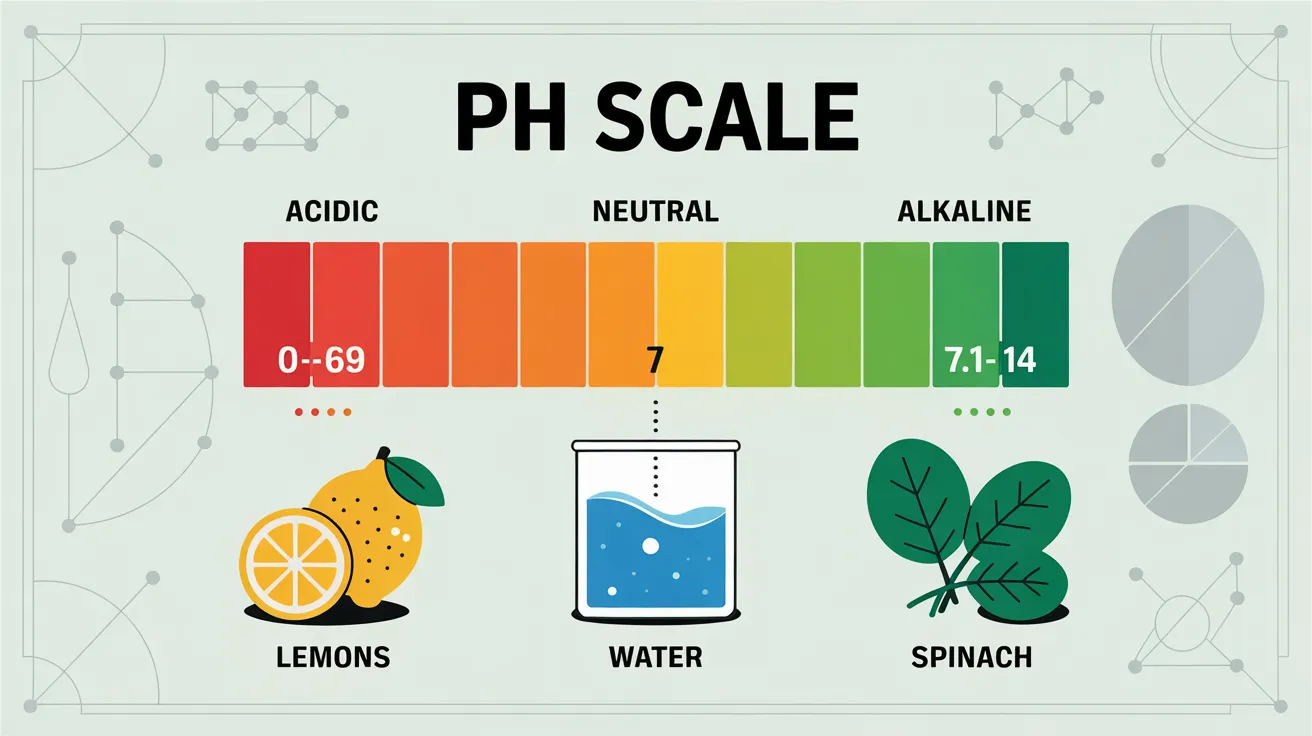
The pH scale is a fundamental concept in chemistry that applies to the food and beverages we consume daily. It measures how acidic or alkaline a substance is, which can influence its properties and how it interacts with our bodies.
What the pH Scale Measures
The pH scale ranges from 0 to 14, with 7 being neutral. Values below 7 indicate acidity, while those above 7 signify alkalinity. The scale is logarithmic, meaning each step up or down represents a tenfold change in acidity or alkalinity.
Defining Alkaline vs. Acidic Foods
Alkaline foods are those with a pH greater than 7, while acidic foods have a pH less than 7. Examples of alkaline foods include most fruits and vegetables, while acidic foods include citrus fruits, tomatoes, and vinegar-based products. It’s worth noting that some foods can be acidic in nature but have an alkalizing effect on the body.
How Food pH Differs from Body pH
The pH of food doesn’t directly translate to the pH of our body. Our bodies maintain a tight regulation over blood pH, slightly alkaline, around 7.35-7.45, through various buffering mechanisms. The idea that diet can significantly alter blood pH is a misconception; however, dietary choices can influence the body’s acid load.
| pH Range | Description | Examples |
|---|---|---|
| 0-6.9 | Acidic | Citrus fruits, vinegar |
| 7 | Neutral | Pure water |
| 7.1-14 | Alkaline | Most vegetables, some fruits |
Understanding the pH scale and how it applies to foods and beverages is crucial for making informed dietary choices. While the body maintains its pH levels within a narrow range, the foods we eat can have other health implications.
Is Coconut Water Alkaline? Examining the pH Facts

The alkalinity of coconut water is often touted as a key benefit, but what does the science say about its actual pH level? Coconut water’s pH is a crucial aspect of its overall nutritional profile and potential health impacts.
The Typical pH Range of Coconut Water
Coconut water’s pH typically ranges from slightly acidic to neutral, with most studies indicating a pH between 4.8 and 6.5. This range can vary based on the maturity of the coconut and processing methods.
Factors Affecting Coconut Water’s pH Level
Several factors can influence the pH level of coconut water, including:
- The maturity of the coconut: Young coconuts tend to have a higher pH than mature ones.
- Processing methods: Pasteurization or other processing techniques can alter the pH.
- Storage conditions: Exposure to air, light, or heat can affect the pH over time.
Scientific Studies Measuring Coconut Water pH
Various studies have investigated the pH of coconut water. A comparative analysis of these studies is presented in the table below:
| Study | pH Range | Sample Source |
|---|---|---|
| Study A (2020) | 5.0 – 5.5 | Young coconuts, processed |
| Study B (2018) | 4.8 – 6.2 | Mature coconuts, raw |
| Study C (2015) | 5.2 – 6.0 | Various maturity levels, pasteurized |
These studies demonstrate the variability in coconut water’s pH, influenced by factors like coconut maturity and processing methods.
The Nutritional Profile of Coconut Water
Coconut water’s nutritional benefits are multifaceted, making it a valuable addition to a balanced diet. This beverage is not only refreshing but also packed with essential nutrients.
Key Vitamins and Minerals
Coconut water is a good source of several important vitamins and minerals. It contains potassium, magnesium, and manganese, among other nutrients. These minerals are crucial for maintaining various bodily functions, including heart health and bone density.
Electrolyte Content and Composition
One of the standout features of coconut water is its electrolyte content. It is particularly rich in potassium, an electrolyte that helps regulate fluid balance in the body. The electrolyte composition of coconut water makes it a popular choice among athletes and individuals who engage in strenuous physical activity.
| Electrolyte | Amount per 100ml |
|---|---|
| Potassium | 250-300mg |
| Magnesium | 40-50mg |
| Sodium | 40-60mg |
Calorie and Sugar Content Considerations
Compared to many other beverages, coconut water is relatively low in calories. A typical serving contains around 45-60 calories. However, it’s worth noting that some brands may add sugars or flavorings, which can increase the calorie count. When choosing coconut water, it’s best to opt for unflavored and unsweetened versions to reap the most nutritional benefits.
In summary, coconut water is a nutritious beverage that offers a range of health benefits due to its rich content of vitamins, minerals, and electrolytes. Its relatively low calorie count makes it an attractive option for those looking for a healthy drink.
The Alkaline Diet Theory: Claims and Science
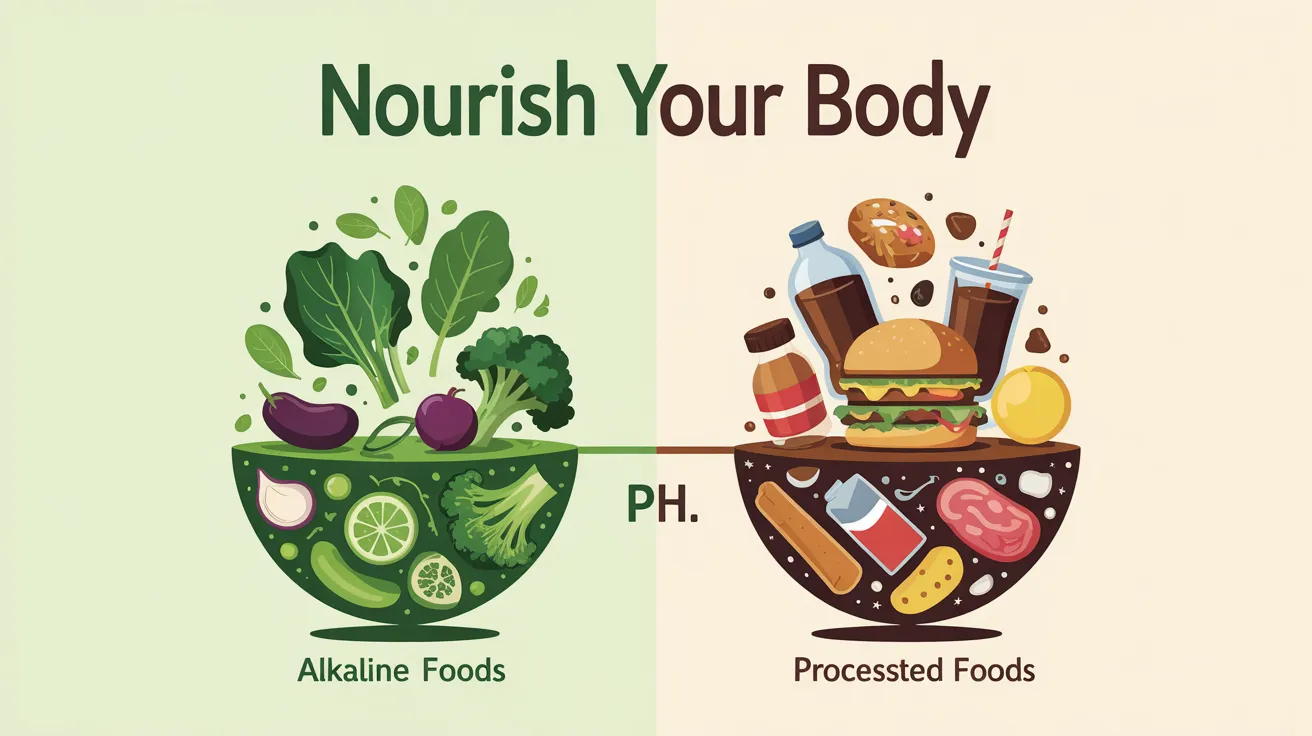
Understanding the alkaline diet theory requires delving into its origins and the science behind its claims. The alkaline diet, also known as the alkaline ash diet or alkaline acid diet, suggests that the foods we eat can affect the body’s pH levels, potentially influencing overall health.
Origins of the Alkaline Diet Movement
The alkaline diet movement originated from the idea that diet can significantly impact the body’s acidity levels. Proponents argue that a diet rich in alkaline foods can help neutralize acidity and promote better health. This concept is based on the premise that certain foods can alter the body’s pH.
Scientific Perspective on Body pH Regulation
The human body has a complex system to regulate its pH levels tightly. The kidneys and lungs play crucial roles in maintaining acid-base balance. Despite dietary intake, the body maintains its pH within a narrow range through various compensatory mechanisms. This tight regulation questions the direct impact of diet on body pH.
Critical Analysis of Alkaline Food Health Claims
While some proponents claim that an alkaline diet can prevent diseases like osteoporosis and cancer, the scientific evidence supporting these claims is limited. Most health organizations agree that a balanced diet rich in fruits and vegetables is beneficial, but there’s no conclusive evidence that it’s due to their alkalinity. The health benefits often attributed to an alkaline diet may stem from the overall quality of the diet rather than its effect on body pH.
In conclusion, while the alkaline diet theory has garnered significant attention, it’s crucial to approach its claims with a critical perspective. Understanding the science behind the diet and its purported benefits can help individuals make informed decisions about their dietary choices.
Research-Backed Health Benefits of Coconut Water

Emerging research highlights the potential health benefits of coconut water, from hydration to cardiovascular health. Coconut water is a natural, low-calorie beverage rich in electrolytes, making it an attractive option for those seeking a healthier drink.
Hydration and Exercise Performance
Coconut water has been studied for its role in hydration and exercise performance. Its electrolyte composition, particularly potassium, helps replenish fluids and support physical activity. Research suggests that coconut water can be as effective as commercial sports drinks in rehydrating the body after exercise.
- Replenishes fluids and electrolytes
- Supports exercise performance and recovery
- May reduce muscle cramping
Potential Cardiovascular Effects
The potential cardiovascular benefits of coconut water are an area of growing interest. Studies have indicated that coconut water may help lower blood pressure and cholesterol levels, contributing to overall heart health. Further research is needed to fully understand its effects.
Blood Sugar and Metabolic Impacts
Coconut water may also have a positive impact on blood sugar and metabolic health. Some studies suggest it can help improve insulin sensitivity and reduce blood sugar levels. However, more research is required to confirm these findings.
Kidney Health Considerations
There is some concern that the high potassium content in coconut water could be problematic for individuals with kidney issues. However, current evidence suggests that moderate consumption is generally safe for most people, including those with mild kidney problems.
Debunking Myths: What Coconut Water Can and Cannot Do

As coconut water continues to gain popularity, it’s essential to separate the myths from the facts. The beverage has been touted for various health benefits, ranging from hydration and electrolyte replenishment to more extravagant claims. To understand its true value, we need to examine the marketing claims and differentiate between scientifically supported benefits and unsubstantiated assertions.
Examining Exaggerated Marketing Claims
Many marketing campaigns portray coconut water as a miracle drink capable of curing various ailments. However, a closer look reveals that some of these claims are exaggerated or entirely unfounded. For instance, while coconut water is indeed a natural source of electrolytes, its ability to provide hydration is often overstated, particularly in comparison to regular water or sports drinks.
The electrolyte content in coconut water, including potassium, sodium, and magnesium, is often cited as a key benefit. However, the actual electrolyte composition can vary significantly depending on the brand, processing methods, and the maturity of the coconuts used. This variability means that not all coconut water products offer the same level of electrolytes or hydration benefits.
The Truth About “Miracle” Health Benefits
Some proponents of coconut water claim it has miracle health benefits, including weight loss, improved digestion, and even anti-aging properties. While coconut water does contain some nutrients and electrolytes that can contribute to overall health, there is limited scientific evidence to support these more extraordinary claims.
Separating Science from Hype
To truly understand what coconut water can and cannot do, it’s crucial to rely on scientific evidence. Research has shown that coconut water can be beneficial for hydration, particularly after exercise, due to its electrolyte content. However, for most people, regular water or a balanced diet may be sufficient for hydration and nutritional needs.
In conclusion, while coconut water is a nutritious beverage with some health benefits, it’s essential to approach marketing claims with a critical eye and not expect it to be a cure-all. By understanding its actual benefits and limitations, consumers can make informed choices about incorporating coconut water into their diet.
Comparing Coconut Water to Other Beverages
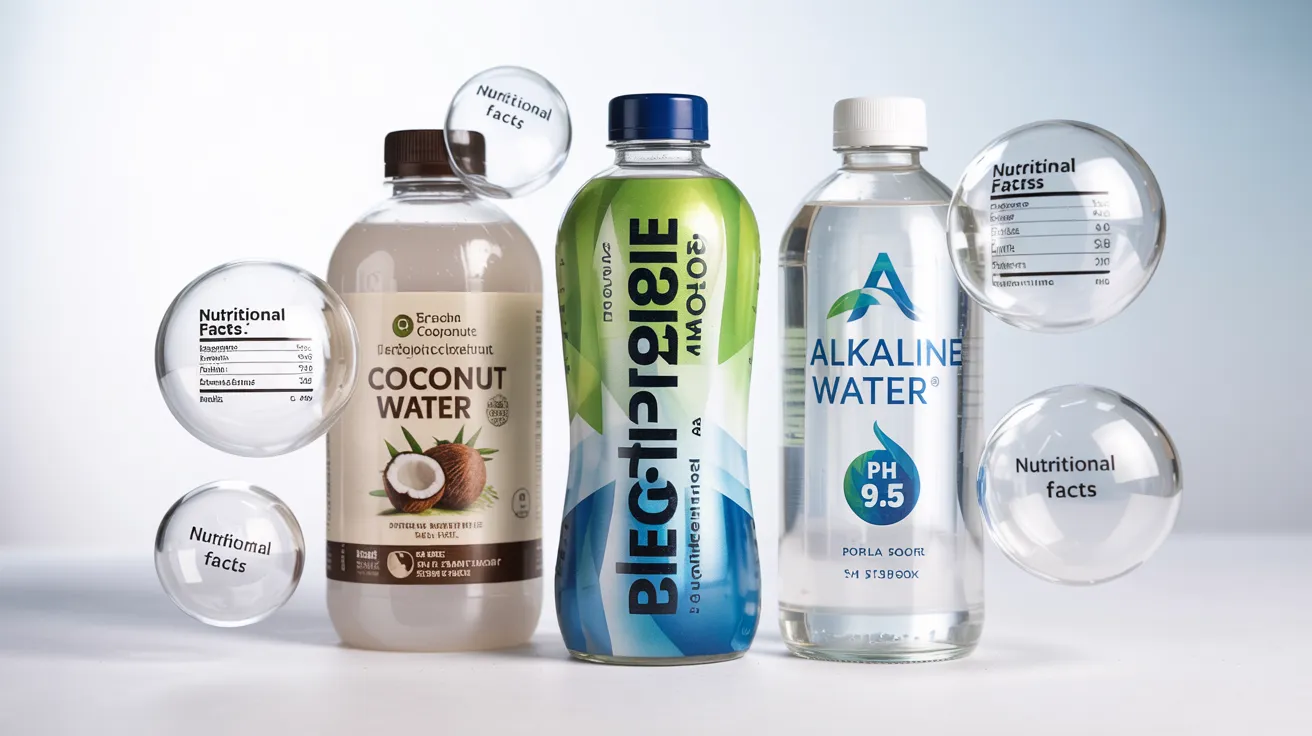
The beverage market offers a wide range of choices, with coconut water standing out for its unique nutritional profile. As consumers navigate the numerous options, understanding how coconut water compares to other popular beverages can help make informed decisions.
Coconut Water vs. Sports Drinks
Coconut water is often pitted against sports drinks due to their overlapping purposes: hydration and electrolyte replenishment. While sports drinks are formulated to provide specific amounts of electrolytes and carbohydrates, coconut water offers a natural alternative with fewer calories and less sugar. However, sports drinks may be more effective in extreme endurance activities due to their tailored composition.
Coconut Water vs. Alkaline Water Products
The comparison between coconut water and alkaline water products centers on their pH levels and perceived health benefits. Coconut water’s natural pH is slightly alkaline, but it doesn’t contain the high pH levels often found in alkaline water products. While both offer hydration, coconut water provides additional nutrients and electrolytes not typically found in alkaline water.
Coconut Water vs. Regular Water and Fruit Juices
When compared to regular water, coconut water offers the added benefit of electrolytes, making it a more filling and potentially more hydrating option for some individuals. Compared to fruit juices, coconut water has fewer calories and less sugar, positioning it as a healthier alternative for those monitoring their sugar intake. However, fruit juices provide vitamins and antioxidants that coconut water lacks.
In conclusion, coconut water holds its own against various beverages, offering a unique blend of hydration, electrolytes, and natural goodness. Its suitability depends on individual needs, such as post-workout hydration or a desire for a low-calorie drink.
How to Choose Quality Coconut Water Products
To reap the benefits of coconut water, it’s crucial to know what to look for when selecting a product. With the market flooded with various brands and types, making an informed decision can be challenging.
Reading Labels and Avoiding Added Sugars
The first step in choosing a quality coconut water is to read the label carefully. Look for products with no added sugars or preservatives. Check the ingredient list to ensure it contains only coconut water. Be wary of products labeled as “coconut water beverages” or “coconut water drinks,” as they may contain additional ingredients that alter the natural composition.
Fresh vs. Packaged Options
When deciding between fresh and packaged coconut water, consider your needs. Fresh coconut water is ideal for those who have access to it and prefer a more natural, less processed option. However, packaged coconut water is more convenient and widely available. Ensure that packaged options are stored properly and have not expired.
Organic and Sustainable Considerations
For those concerned about environmental and health impacts, organic coconut water is a preferable choice. Look for certifications like USDA Organic, which ensure the product meets certain standards. Additionally, consider brands that prioritize sustainable practices, such as eco-friendly packaging and fair trade practices.
| Feature | High-Quality Coconut Water | Lower-Quality Coconut Water |
|---|---|---|
| Added Sugars | No added sugars | May contain added sugars |
| Ingredients | 100% coconut water | May contain additional ingredients |
| Certifications | USDA Organic or similar | No or fewer certifications |
| Sustainability | Eco-friendly packaging, fair trade | Limited or no focus on sustainability |
By considering these factors, you can make an informed decision when choosing a coconut water product that meets your standards for quality and sustainability.
Practical Guidelines for Consuming Coconut Water
To reap the benefits of coconut water, understanding the right timing and quantities is essential. Consuming coconut water effectively can enhance its potential benefits, whether you’re an athlete or simply looking for a healthy beverage option.
Ideal Timing and Quantities
Drinking coconut water after a workout can be particularly beneficial due to its electrolyte content, helping to replenish lost salts and hydrate the body. For average individuals, consuming 8-10 ounces (about 250-300 ml) is a reasonable amount. However, it’s crucial to listen to your body and adjust accordingly.
Who Should Limit Coconut Water Consumption
While coconut water is generally safe, certain individuals should be cautious. People with kidney issues or those on a potassium-restricted diet should consult their healthcare provider, as coconut water is high in potassium. Additionally, those with allergies to coconut should avoid it altogether.
Creative Ways to Incorporate Coconut Water in Your Diet
Coconut water can be enjoyed in various ways: as a post-workout drink, a refreshing beverage on a hot day, or even as a base for smoothies. You can also use it in cooking, such as in soups or curries, to add moisture and flavor. Some creative ideas include:
- Using coconut water as a marinade for chicken or fish
- Adding it to your favorite smoothie recipe for extra electrolytes
- Drinking it chilled as a refreshing summer drink
By incorporating coconut water thoughtfully into your diet, you can enjoy its benefits while minimizing potential side effects.
Conclusion: The Reality of Coconut Water’s Alkalinity and Health Impact

Coconut water’s alkalinity and health impact have been extensively discussed, revealing that its pH level is generally around 4.8-5.7, making it slightly acidic to neutral. The health impact of coconut water is more related to its rich electrolyte content, including potassium, rather than its alkalinity.
When considering is coconut water alkaline, the answer is no; it’s not alkaline in the strict sense, but its nutritional profile offers several benefits. Coconut water can be a healthy addition to a balanced diet, providing hydration and essential minerals, particularly after exercise or in hot weather.
👉 Stay hydrated effortlessly with this 🛒 USB-charging automatic water dispenser, perfect for home, office, or camping—simply attach it to any 5-gallon bottle for instant, spill-free water dispensing anywhere!
The coconut water alkalinity debate highlights the importance of understanding the difference between food pH and body pH regulation. While coconut water may not significantly affect body pH, its overall nutritional value and potential health benefits make it a popular choice among health-conscious consumers.
📌 Also Read: Boost Your Focus
Join the Conversation!
Drop your thoughts in the comments below and let’s chat about all things beverage!
Frequently Asked Questions (FAQ)
Is coconut water really alkaline?
Coconut water’s pH level can range from slightly acidic to alkaline, typically between 4.8 and 6.2, depending on factors like the coconut’s maturity and processing methods.
What are the health benefits of drinking coconut water?
Coconut water is rich in electrolytes, vitamins, and minerals, making it a great beverage for hydration, exercise performance, and potentially supporting cardiovascular health and blood sugar management.
Can coconut water help with hydration during exercise?
Yes, coconut water is a natural source of electrolytes, including potassium, sodium, and magnesium, which can help replenish fluids and support hydration during and after exercise.
Is coconut water a good alternative to sports drinks?
Coconut water can be a good alternative to sports drinks for low-to-moderate intensity activities, but for high-intensity or long-duration activities, sports drinks may be more effective due to their higher sodium content.
How do I choose a high-quality coconut water product?
When selecting coconut water, look for products with minimal added sugars, no artificial flavorings or preservatives, and consider opting for organic and sustainably sourced options.
Can I drink coconut water every day?
Yes, coconut water can be a healthy addition to your daily diet when consumed in moderation, but it’s essential to be mindful of overall calorie and sugar intake, especially for those with specific dietary needs or restrictions.
Are there any groups of people who should limit coconut water consumption?
Individuals with certain health conditions, such as kidney disease or those who are sensitive to high potassium levels, should consult with their healthcare provider before consuming coconut water regularly.
How can I incorporate coconut water into my diet creatively?
You can enjoy coconut water as a refreshing beverage on its own, use it as a base for smoothies, or incorporate it into recipes like soups, sauces, or desserts to add moisture and flavor.


