
A Continuation from ‘The Amazing Health Benefits of Drinking Water Daily’
In Part 1, we uncovered how staying hydrated supports vital bodily functions, enhances cognitive performance, lifts your mood, and boosts energy levels. Now in Part 2, we’ll dive deeper into the transformational benefits of optimal hydration—how it influences weight management, aids digestion and detoxification, supports heart health, and improves skin appearance.
So, grab your water bottle, and let’s continue this journey to a healthier, more radiant you—one sip at a time!
👉 Stay hydrated effortlessly with this 🛒 USB-charging automatic water dispenser, perfect for home, office, or camping—simply attach it to any 5-gallon bottle for instant, spill-free water dispensing anywhere!
Hydration and Weight Management
Boosts Metabolism Naturally
Did you know that simply drinking water can help boost your metabolism? When you consume cold water, your body engages in a process called thermogenesis—burning calories to warm the water to body temperature. While the calorie burn might be modest, it’s a metabolic nudge in the right direction.
Proper hydration also supports your liver, a key organ in metabolizing fat. When adequately hydrated, your liver operates more efficiently, breaking down fat for energy rather than storing it.
But that’s not all—every cell in your body relies on water for metabolic functions. From fueling workouts to supporting digestion and detox, staying hydrated keeps your metabolic engine running smoothly.

How Water Affects Metabolism
| Effect | Description | Impact on Metabolism |
|---|---|---|
| Thermogenesis | Body burns calories to warm up cold water | Slight calorie burn increase |
| Liver Function | Proper hydration allows the liver to focus on fat metabolism | More efficient fat breakdown |
| Cellular Function | Water is essential for all metabolic processes | Enhanced metabolic efficiency |
| Muscle Function | Hydrated muscles contract better and resist fatigue | More calories burned during exercise |
💡 Pro Tip: Drink a glass of cold water 30 minutes before meals to slightly curb appetite and support weight loss efforts.
Hydrate for Appetite Control
Curb Cravings with Water
Water acts as a natural appetite suppressant—a simple yet powerful tool for weight management. Many people confuse thirst with hunger, reaching for snacks when their body actually just needs hydration. By staying adequately hydrated and using mindful water strategies, you can reduce unnecessary snacking, control portion sizes, and support long-term calorie balance.
Drinking water before meals helps create a feeling of fullness, which can lead to consuming fewer calories during the meal. This not only promotes portion control but also supports healthy digestion.
Water Strategies for Appetite Control
| Strategy | How It Helps |
|---|---|
| Pre-Meal Water Routine | Drink a glass of water 30 minutes before meals to promote satiety |
| Hunger Check | Drink water first when hungry—this helps differentiate thirst from true hunger |
| Flavored Water | Add lemon, mint, or cucumber to make water more enjoyable and flavorful |
| Hydrating Foods | Choose water-rich fruits and vegetables like watermelon, celery, and cucumbers |
| Mindful Sipping | Sip water steadily throughout the day to stay hydrated and prevent false hunger |
💡 Pro Tip: Keep a reusable water bottle nearby and aim to drink consistently rather than waiting until you’re thirsty.
Digestion and Detoxification: Hydration’s Dual Role
Proper hydration plays a crucial role in digestive efficiency and natural detoxification. Drinking enough water keeps the digestive system running smoothly and supports your body’s ability to flush out toxins, reducing the risk of digestive discomfort and long-term health issues.
Prevents Constipation & Promotes Gut Health
Water softens stool, making it easier to pass and reducing the likelihood of constipation. It also supports the function of the intestines by keeping the digestive tract lubricated. Without adequate hydration, the colon absorbs excess water from waste, leading to harder stools and sluggish digestion.
Staying well-hydrated can help alleviate common digestive issues such as:
- Irritable bowel symptoms
- Bloating
- Gas
- Cramping
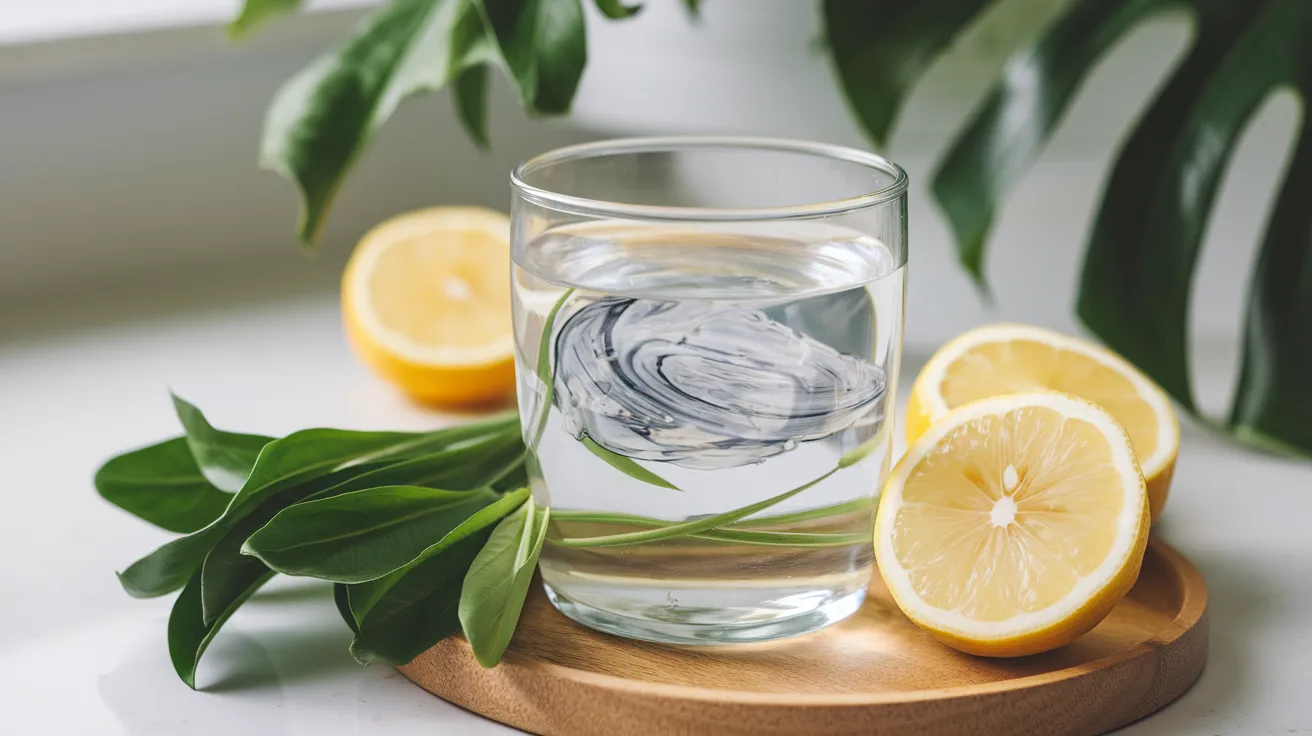
💡 ProTip: Add a slice of lemon, cucumber, or mint to your water to support both digestion and gentle detoxification while making it more enjoyable to drink.
Hydration Guidelines for Digestive Health
Use this chart to ensure you’re meeting your daily water needs based on body weight for optimal digestion:
| Body Weight | Recommended Daily Water Intake |
|---|---|
| 100-150 lbs | 50-75 oz (1.5-2.2 L) |
| 150-200 lbs | 75-100 oz (2.2-3 L) |
| 200+ lbs | 100+ oz (3+ L) |
Supports Natural Detoxification
Water is essential for kidney and liver function—two of your body’s primary detox organs. It helps:
- Flush out waste and toxins through urine and sweat
- Maintain optimal liver function, preventing toxin buildup
- Regulate body temperature and pH balance
- Transport nutrients efficiently through the bloodstream
💡 Pro Tip: Drink a glass of warm water first thing in the morning to kick-start digestion!
Kidney & Liver Support: Hydration for Your Body’s Detox Powerhouses
Your kidneys and liver are essential for filtering and removing waste from your body. Ensuring optimal hydration empowers these organs to function efficiently, supporting your body’s natural detoxification systems.
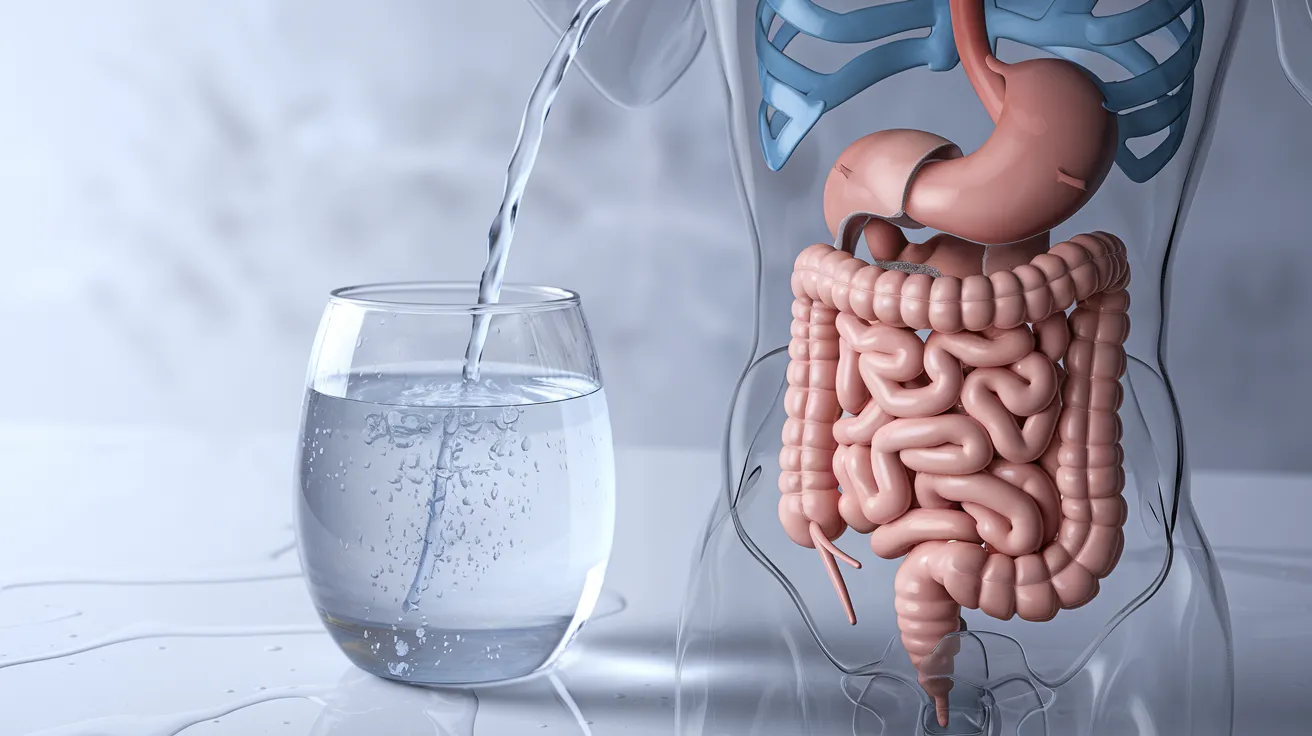
Why Water Is Critical for Kidney and Liver Health
When you’re well-hydrated, your body can:
- Flush toxins more effectively through urine
- Dilute waste products to prevent the formation of kidney stones
- Maintain electrolyte balance, protecting kidney function
- Assist the liver in metabolizing fats and filtering out harmful substances
Dehydration, on the other hand, puts added stress on these organs, increasing the risk of complications like kidney stones, urinary tract infections, or liver fatigue.
Organ Function and the Benefits of Hydration
| Organ | Role of Water |
|---|---|
| Kidneys | Filters blood, flushes waste, and prevents kidney stones |
| Liver | Assists in fat metabolism and toxin removal |
| Intestines | Enhances enzyme function for better digestion |
Heart Health and Circulation: Why Hydration Matters for Your Cardiovascular System
Your heart works around the clock to pump oxygen-rich blood throughout your body—and staying hydrated is one of the simplest ways to support its vital function. Water is essential for maintaining the right blood volume and consistency, which directly affects blood pressure and circulation.
The Benefits of Hydration: Helping to Regulate Blood Pressure
When you’re properly hydrated:
- Your blood volume stays optimal, reducing the effort your heart needs to pump
- Blood flows more freely, lowering the risk of clots and pressure spikes
- The heart muscle receives sufficient oxygen and nutrients for performance and endurance
On the flip side, dehydration causes your blood to become thicker (higher viscosity), which puts more strain on your cardiovascular system. This added pressure can increase your risk of high blood pressure, heart palpitations, and even cardiovascular events in severe cases.
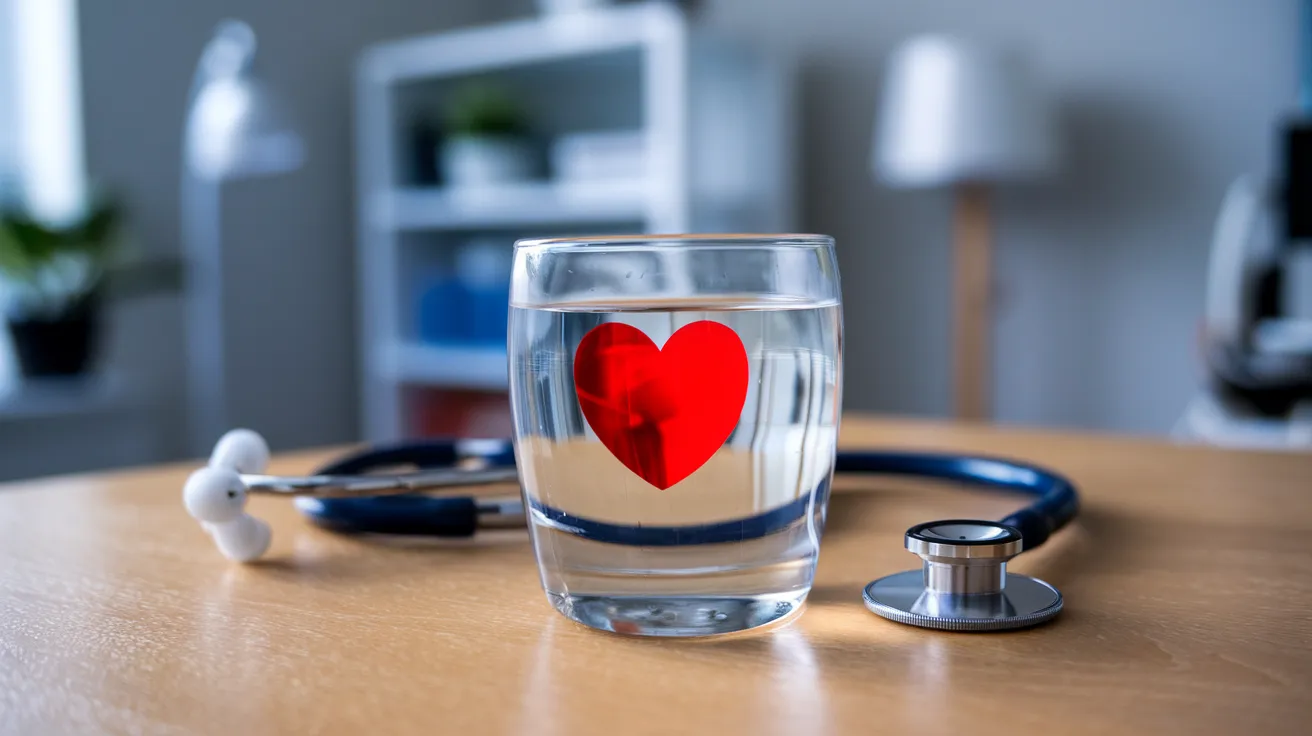
Hydration’s Role in Cardiovascular Health
| Hydration Level | Effect on Heart Health |
|---|---|
| Well-Hydrated | Supports healthy blood flow and maintains normal pressure |
| Mildly Dehydrated | Increases blood thickness, raising heart strain |
| Severely Dehydrated | Risk of hypertension, irregular heartbeat, and heart damage |
💡 Pro Tip: Aim for consistent hydration throughout the day to keep your heart healthy.
Skin Health and Anti-Aging Benefits of Hydration
Want radiant, youthful-looking skin? Start with your water bottle. While skincare products work on the surface, true transformation begins within—hydration is your skin’s best natural ally.
Hydration for a Natural Glow
Water helps maintain your skin’s moisture barrier, keeping it soft, supple, and glowing. When your body is dehydrated, skin often becomes dry, tight, and flaky, exaggerating the appearance of fine lines and wrinkles. On the other hand, well-hydrated skin appears more elastic, luminous, and resilient.
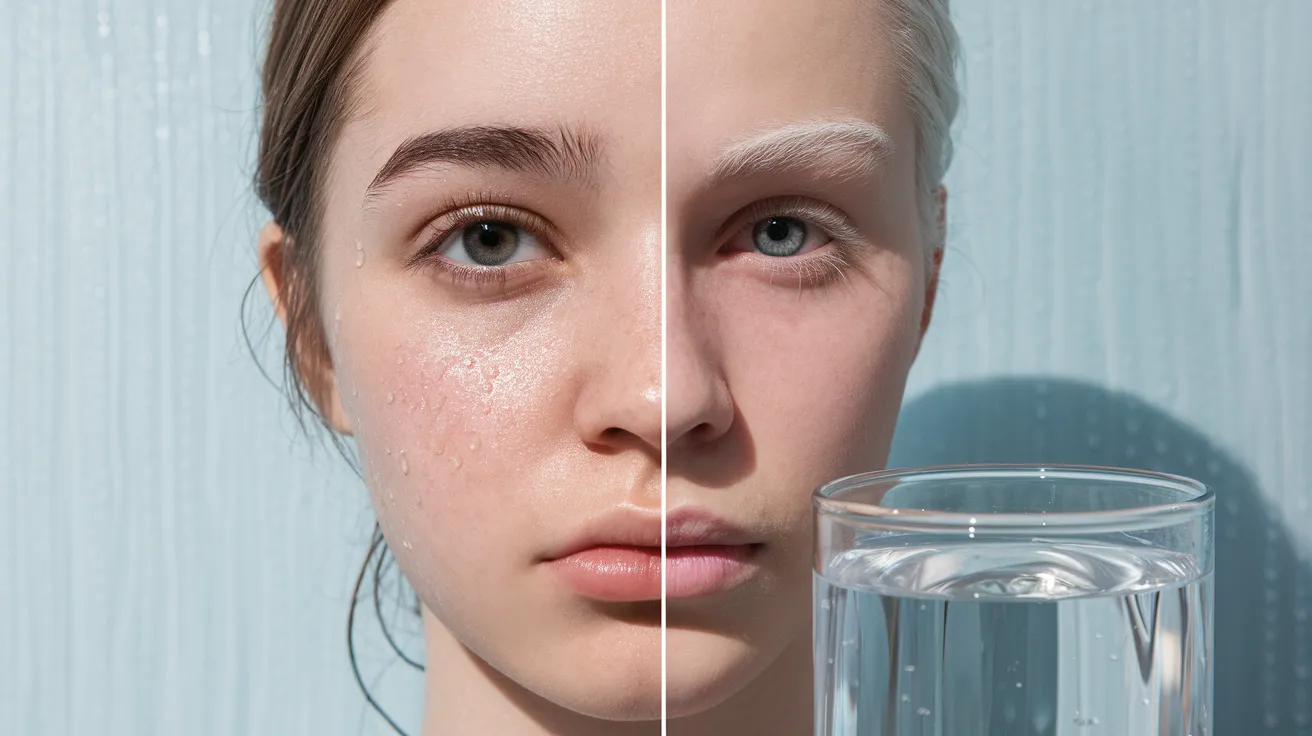
Skin Benefits of Drinking Water
| Benefit | How It Supports Your Skin |
|---|---|
| Boosts Skin Elasticity | Reduces the appearance of fine lines and promotes firmness |
| Flushes Out Toxins | Clears skin impurities, reducing breakouts and dullness |
| Prevents Dryness | Maintains moisture from within for a smoother texture |
| Enhances Skin Repair | Supports faster regeneration of skin cells and tissue healing |
Final Quench: Hydration Is Life!
Drinking enough water each day is one of the simplest yet most powerful habits you can adopt for better health. From revving up your metabolism and aiding digestion to supporting heart health and revitalizing your skin, hydration is a true game-changer.
Let’s raise our glasses of pure H₂O to more energy, better vitality, and long-lasting well-being. Your body, mind, and skin will thank you.
Challenge: Starting today, track your daily water intake—whether through an app or a journal—and pay attention to the difference in your mood, focus, and overall glow. Sometimes, the biggest transformations come from the most basic changes.
📌 Did you miss Part 1? Read: The Amazing Health Benefits of Drinking Water Daily
Join the Conversation!
Drop your thoughts in the comments below and let’s chat about all things beverage!
Frequently Asked Questions (FAQ)
Yes. Drinking water boosts metabolism through thermogenesis and can help suppress appetite when consumed before meals. It also supports fat metabolism by aiding liver function.
While needs vary, a general rule is 0.5–1 ounce of water per pound of body weight. Proper hydration softens stool, supports bowel movement, and helps prevent constipation and bloating.
Water helps your kidneys and liver flush out toxins efficiently. Adequate hydration reduces the risk of kidney stones and supports liver enzyme activity for detox.
Absolutely. Hydration improves skin elasticity, reduces dryness, flushes out toxins that cause acne, and supports skin cell repair—giving your skin a natural glow.
Dehydration increases blood viscosity, making it harder for your heart to pump blood. This can lead to higher blood pressure and increased cardiovascular strain.
They can help! Foods like cucumbers, watermelon, and celery are hydrating and support daily fluid intake, but they should complement—not replace—regular water consumption.
Carry a water bottle, set reminders to sip regularly, drink before meals, and eat water-rich foods. Herbal teas and infused water are great options too.


