
Picture this: a golden, crystal-clear beer with a frothy white head, bubbles dancing to the surface. The aroma is crisp and inviting, with subtle hints of bread and herbs. As you take a sip, your taste buds are greeted by a perfect balance of malt sweetness and hop bitterness. This, dear reader, is the Pilsner – the world’s most popular beer style. But have you ever wondered how this Czech creation conquered the globe? From its humble beginnings in the 19th century to its current reign as the king of beers, the story of Pilsner is a fascinating journey through time, taste, and tradition.
⚠️ Alcohol Content Disclaimer: GetUrDrinkOn.com features content related to alcoholic beverages and mixology. All content is intended for informational and entertainment purposes only. We do not sell alcohol or promote underage or irresponsible drinking. This site is intended for adults aged—21 and over in the United States, and 18 and over in most other countries. Please drink responsibly. If you or someone you know is struggling with alcohol use, please seek professional help.
👉 Upgrade your home whiskey setup with the sleek and functional 🛒 Zarler Bar Cart Bar Table with LED lighting, power outlet, and 4-tier liquor storage—perfect for any modern home bar.
Join us as we explore the revolutionary birth of Pilsner, uncover the unique characteristics that set it apart, and trace its global spread. We’ll delve into the factors behind its popularity, examine modern variations, and discuss its profound impact on beer culture. Prepare to raise your glass to the beer that changed the world!
The Birth of Pilsner: A Revolution in Brewing
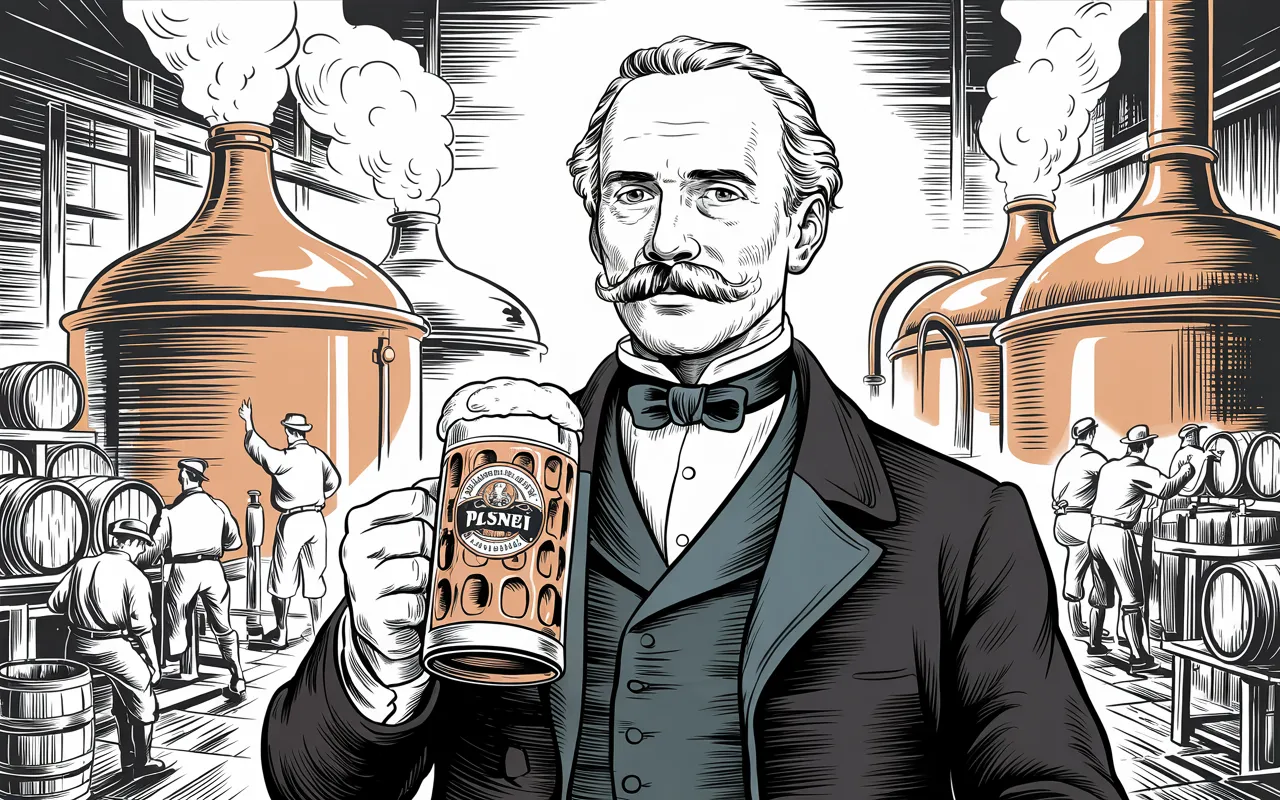
A. The Story of Josef Groll’s Creation
In 1842, a pivotal moment in brewing history occurred in the Czech town of Plzeň (Pilsen), when Josef Groll, a skilled brewer from Bavaria, was invited to help the local brewery improve its beer quality. At the time, Plzeň’s beer had a poor reputation due to inconsistent quality and unstable fermentation. Groll brought with him a revolutionary brewing technique that would forever change the beer industry.
By combining pale malts, noble Saaz hops, soft Plzeň water, and bottom-fermenting yeast, Groll crafted a crystal-clear, golden lager that was unlike anything the world had seen before. The beer was not only visually stunning—it was refreshing, aromatic, and smooth, offering a clean finish that quickly captivated drinkers. This brew would come to be known as Pilsner Urquell, the world’s first pale lager, and a template for countless beers that followed.
B. Significance of Plzeň (Pilsen) in Beer History
Plzeň’s importance in beer history cannot be overstated. The town’s natural resources and dedicated brewing community made it the ideal birthplace for Pilsner. With its soft water profile, access to Saaz hops, and a tradition of skilled craftsmanship, Plzeň had everything needed for brewing excellence.
Here’s a quick look at Plzeň’s contributions and their influence on the global beer industry:
| Plzeň’s Contributions | Impact on Beer Industry |
|---|---|
| Soft water | Enabled exceptional clarity in beer |
| Local Saaz hops | Provided a delicate, floral aroma and mild bitterness |
| Brewing expertise | Helped refine a consistent and scalable process |
The success of Groll’s Pilsner soon turned Plzeň into a global brewing icon, setting the standard for lager beers worldwide.
C. Key Innovations in the Brewing Process
Josef Groll’s recipe introduced several technical innovations that became benchmarks for modern lager production:
- Use of pale malts: Allowed for a light golden color, a visual hallmark of modern Pilsners.
- Bottom-fermenting yeast: Resulted in cleaner fermentation, reducing off-flavors.
- Cold fermentation & lagering: Helped increase clarity and shelf stability.
- Soft Plzeň water: Highlighted hop aromas without overwhelming bitterness.
These innovations collectively gave birth to a new category of beer that was not only refreshing and flavorful, but also visually appealing and consistent—traits that helped it dominate global beer markets.
As Pilsner gained popularity, brewers across Europe, North America, and Asia began replicating the style, leading to the development of countless regional variations of pale lagers. Today, Pilsner remains a cornerstone of modern brewing, thanks to Josef Groll’s ingenuity and the perfect brewing conditions found in Plzeň.
Characteristics That Set Pilsner Apart
Crystal Clear Appearance
One of the first things you’ll notice about a Pilsner is its crystal-clear, golden hue. This visually striking clarity is not by accident—it’s the result of careful brewing techniques and precise ingredient selection. Key factors include:
- Cold fermentation using bottom-fermenting yeast
- An extended lagering process, which allows proteins and yeast to settle naturally
- Use of light-colored malts, such as Pilsner malt
The final product is a bright, sparkling beer that reflects light beautifully, making it as appealing to the eye as it is to the palate. This pristine clarity has become a defining feature of the Pilsner style, contributing to its wide recognition and popularity.
Crisp, Refreshing Taste Profile
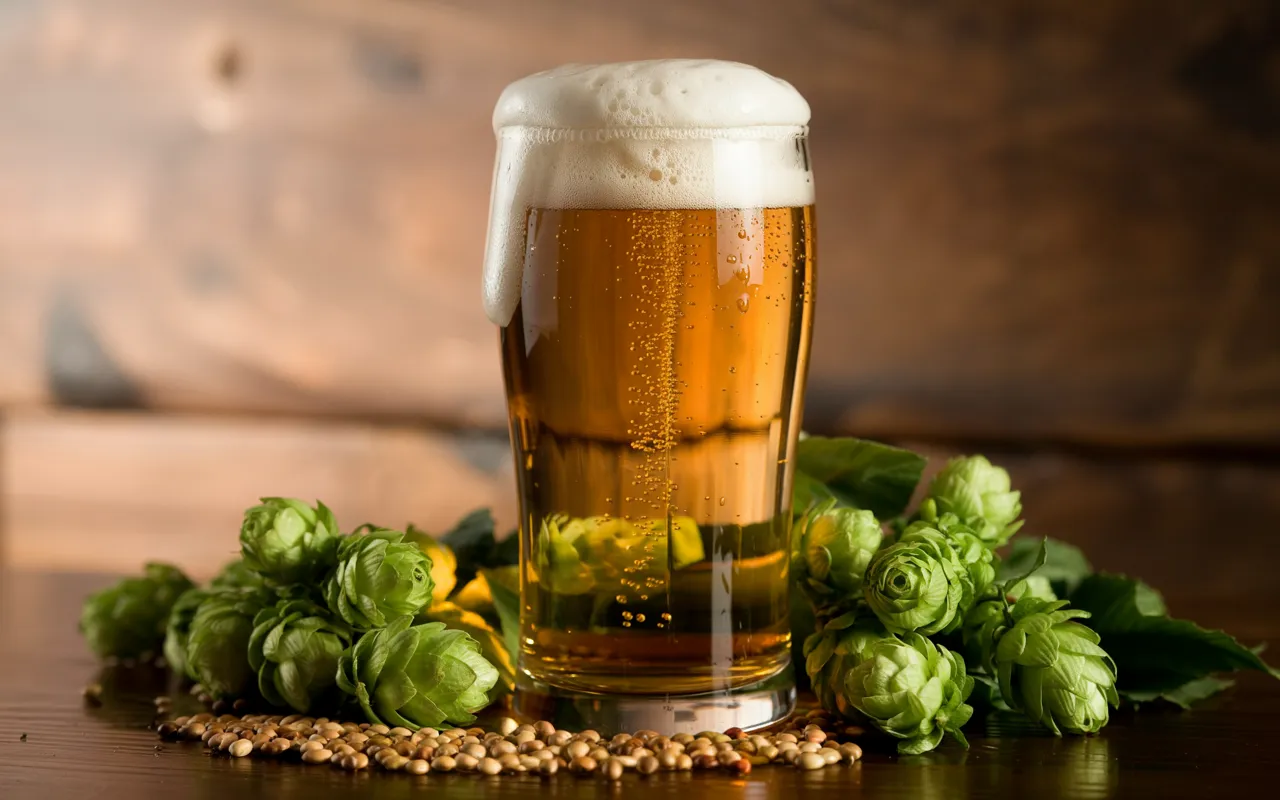
Pilsner is celebrated for its clean, crisp, and refreshing flavor. Its balanced taste is derived from:
- A light malt body that provides gentle sweetness without heaviness
- Subtle bitterness from noble hops like Saaz or Hallertau
- High natural carbonation that enhances the beer’s mouthfeel and effervescence
This harmony of flavor and texture makes Pilsner an ideal choice for both casual drinkers and seasoned beer lovers alike. Its refreshing character is especially appreciated in warmer climates or during outdoor gatherings.
Lower Alcohol Content
Pilsner beers are typically moderate in alcohol, which makes them highly sessionable—perfect for enjoying more than one without overwhelming effects. Here’s a quick ABV comparison:
| Beer Style | Average ABV |
|---|---|
| Pilsner | 4.5% – 5.5% |
| IPA | 6.0% – 7.5% |
| Stout | 5.0% – 8.0% |
| Barleywine | 8.0% – 12.0% |
This moderate alcohol level makes Pilsners a go-to for long social events, BBQs, and casual sipping, without compromising flavor or refreshment.
Distinctive Hop Aroma
While not as aggressively hopped as modern IPAs, Pilsners still deliver a distinct hop aroma that sets them apart from other lagers. This aromatic quality is achieved using traditional noble hop varieties, such as:
- Saaz (Czech Pilsners) – known for delicate floral and herbal notes
- Hallertau (German Pilsners) – offers a mild spice and earthy character
These hops impart a subtle yet memorable bouquet, enhancing the beer’s drinkability without overwhelming the senses. The result is a well-balanced aroma that complements the malt base and keeps drinkers coming back for more.
These key characteristics—clarity, crispness, moderate alcohol, and balanced hop aroma—have helped Pilsner become the gold standard for lager beers worldwide. Whether you’re enjoying one at a beer garden or discovering craft interpretations, the Pilsner continues to be a timeless favorite in the ever-evolving world of beer.
Global Spread of Pilsner
Expansion Across Europe
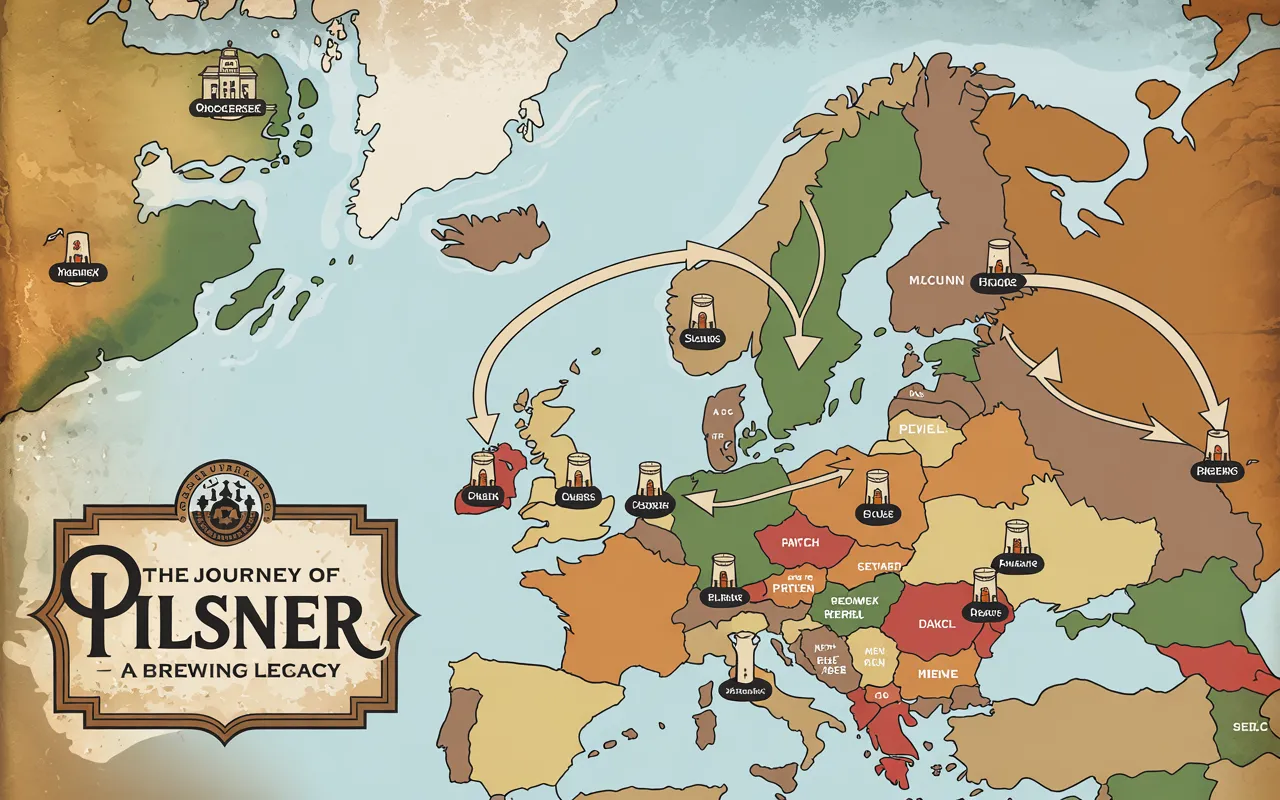
After its historic creation in 1842 in Plzeň, Bohemia, Pilsner beer rapidly spread throughout Europe, revolutionizing the brewing landscape. Its golden clarity, crisp mouthfeel, and light malt character stood in stark contrast to the darker, heavier ales common at the time.
Here’s a brief timeline of Pilsner’s expansion across the continent:
| Year | Event |
|---|---|
| 1842 | Pilsner created in Plzeň, Bohemia |
| 1850s | Spreads to Germany and Austria |
| 1870s | Gained popularity in France and the UK |
| 1890s | Widely consumed across most European countries |
Breweries across Germany, in particular, adopted and adapted the style, giving rise to German-style Pilsners—slightly more bitter and hop-forward than their Czech counterparts. As industrialization advanced, railways and refrigeration enabled mass distribution, accelerating Pilsner’s continental dominance.
Introduction to North America
The transatlantic journey of Pilsner was fueled by waves of European immigrants, especially Germans and Czechs, who arrived in North America during the 19th century. They brought not only their brewing traditions but also a passion for lighter, refreshing beers.
Key factors that fueled the success of Pilsner in North America:
- German immigrants established early American breweries (e.g., Anheuser-Busch, Yuengling)
- Refrigeration technology enabled proper lagering of beers in warm climates
- Public preference shifted toward lighter beers, especially after Prohibition
By the early 20th century, Pilsner had become a staple in the American beer scene, especially as larger breweries began mass-producing their own versions using adjuncts like rice or corn to appeal to a wider market and reduce costs.
Adoption by Major International Breweries
Pilsner’s immense popularity soon captured the attention of global breweries, many of which developed their own interpretations to cater to regional palates and markets. Some of the most recognizable Pilsner-style brands include:
- Anheuser-Busch (USA) – Known for Budweiser, a light American-style Pilsner
- SABMiller (South Africa) – Producers of Castle Lager and other mainstream beers
- Heineken (Netherlands) – A globally popular European-style lager
- Carlsberg (Denmark) – Known for its crisp, clean interpretation of the style
These major breweries leveraged mass production, aggressive marketing, and global distribution networks to bring Pilsner to nearly every corner of the world. As a result, it quickly outpaced other beer styles to become the most consumed beer category worldwide.
Pilsner’s journey from a small Czech town to global dominance is a testament to its universally appealing flavor profile, brewing innovation, and adaptability. From Europe to North America and beyond, its crisp and refreshing qualities have made it a household name.
Why Pilsner Became the World’s Most Popular Beer
Mass Production Capabilities
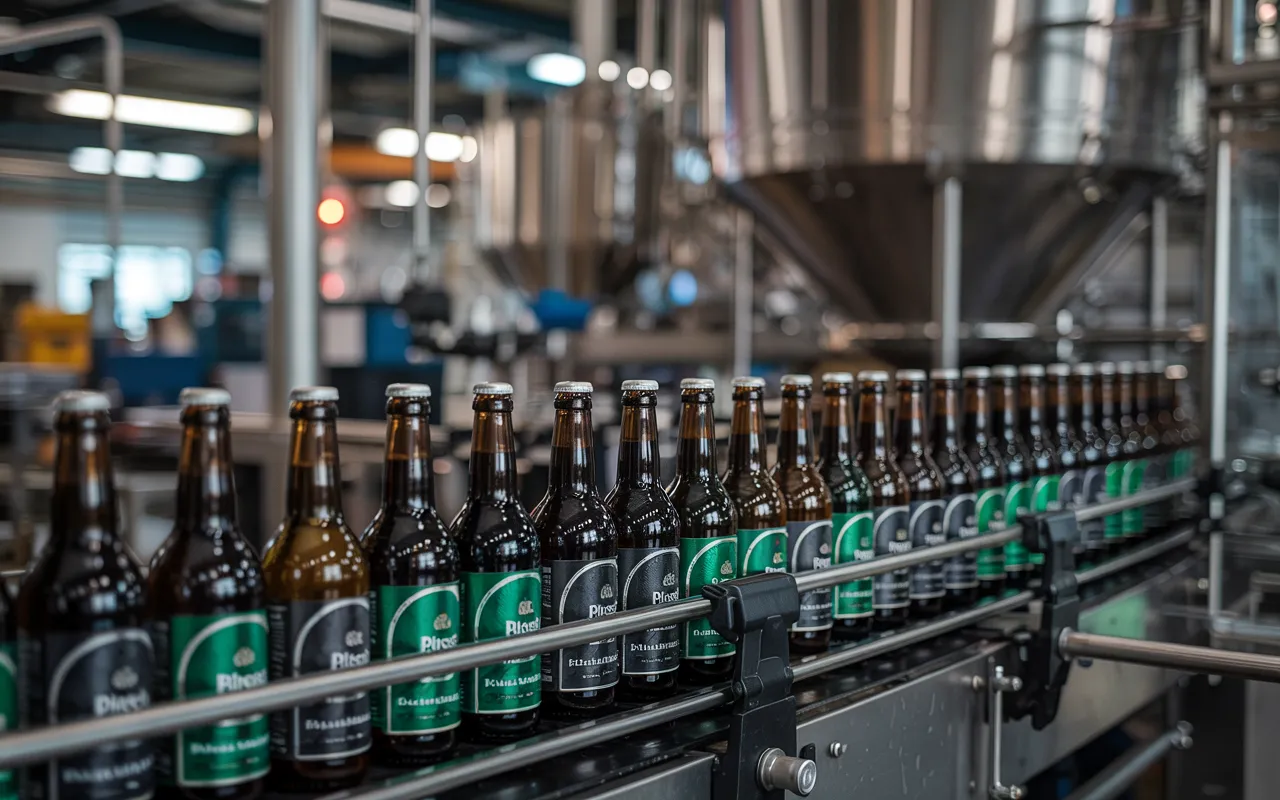
One of the key reasons Pilsner beer rose to global dominance is its exceptional suitability for mass production. Unlike more delicate or niche beer styles, Pilsner can be brewed on a massive scale while still maintaining its crisp character and consistent quality. Thanks to modern brewing technology, large batches can be efficiently produced, filtered, and packaged for global distribution.
Here’s how various aspects of the brewing process support high-volume production:
| Factor | Impact on Mass Production |
|---|---|
| Fermentation | Accelerated timelines allow for larger batch production |
| Filtration | Enhances clarity and stability, ensuring consistency |
| Packaging | Automated bottling and canning increase output efficiency |
| Quality Control | Ensures a uniform flavor profile across all batches |
These capabilities allow major breweries to meet global demand while keeping costs manageable and flavor consistent—an essential combination for mass-market appeal.
Versatility in Food Pairings
Pilsner’s crisp, refreshing taste and moderate bitterness make it one of the most versatile beers for food pairing. It complements a wide array of dishes without overwhelming the palate, making it a go-to option at both casual meals and fine dining experiences.
Some of the most popular Pilsner pairings include:
- Seafood dishes like grilled shrimp or fried calamari
- Spicy Asian cuisine, including Thai and Indian curries
- Light salads and appetizers, especially with citrus or herb notes
- Grilled meats and barbecue, where Pilsner balances smoky flavors
This culinary flexibility has helped Pilsner become a staple beer choice in restaurants, pubs, and home kitchens around the world.
Appeal to a Wide Range of Palates
What sets Pilsner apart from more polarizing beer styles is its broad appeal. Its balanced flavor, clean finish, and moderate alcohol content make it an ideal entry point for new beer drinkers while still offering enough complexity for seasoned enthusiasts.
- Casual drinkers enjoy its lightness and sessionability
- Craft beer fans appreciate high-quality Pilsner variations from microbreweries
- International consumers favor its consistent taste across brands and regions
This ability to bridge the gap between different taste preferences has been instrumental in Pilsner’s sustained global success.
Marketing and Branding Success
No global beverage icon rises without powerful branding and advertising—and Pilsner is no exception. Major breweries have invested billions in building strong emotional and lifestyle connections with their audiences, positioning Pilsner as:
- The beer of refreshment and relaxation
- A symbol of celebration and social connection
- A premium product with mass accessibility
Brands like Heineken, Budweiser, Stella Artois, and Carlsberg have reinforced Pilsner’s image through iconic commercials, sports sponsorships, and global campaigns.
Modern Variations of Pilsner
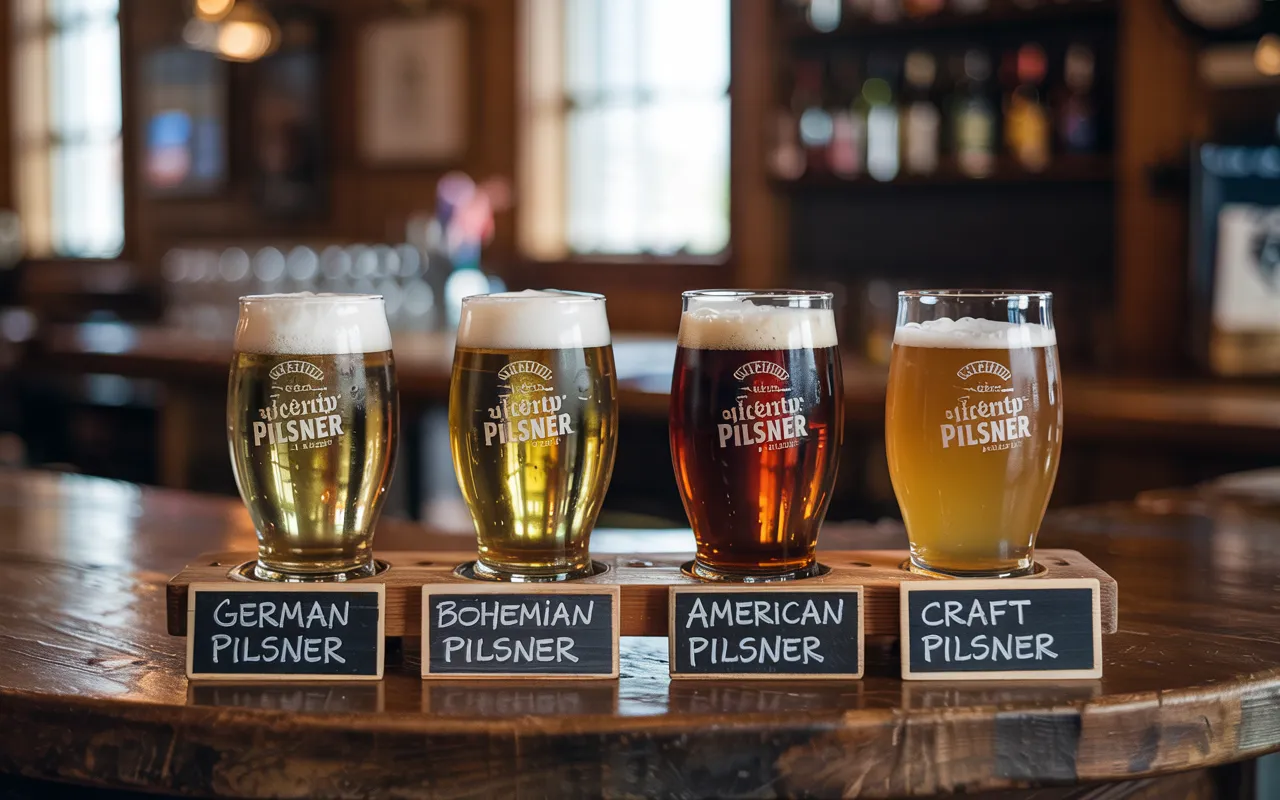
As beer culture continues to evolve, Pilsner remains a cornerstone of brewing innovation. While the original Czech Pilsner laid the groundwork, brewers around the world have reimagined the style to suit local tastes and creative ambitions. From crisp German lagers to hop-forward American renditions, modern Pilsners showcase a wide range of expressions that highlight both tradition and experimentation.
German Pilsner
German Pilsner, commonly referred to as “Pils,” is a clean, dry lager renowned for its crisp bitterness and bright, golden appearance. It typically features noble hops such as Hallertau, Tettnang, or Spalt, which contribute floral, spicy, and herbal aromas. Compared to its Czech cousin, the German version is drier and lighter in body, with a snappy, refreshing finish.
- Color: Straw to light gold
- Hop Profile: Assertive, noble hop bitterness
- Mouthfeel: Medium-light body, dry finish
- Aroma: Spicy, floral, herbal
German Pils is perfect for those who appreciate refreshment with a bite—a balanced beer that remains highly drinkable while offering layered complexity.
Bohemian Pilsner
The Bohemian Pilsner, also known as Czech Pilsner, is the original Pilsner style, born in Plzeň in 1842. It boasts a golden hue, a richer malt character, and a smoother, rounder body compared to the German version. Traditional Saaz hops provide a mild bitterness and subtle spiciness, perfectly complementing the sweet, bready malt base.
- Color: Deep golden
- Hop Profile: Delicate, spicy, earthy
- Mouthfeel: Fuller body, smooth texture
- Flavor Notes: Balanced sweetness, low bitterness
This style remains a timeless classic, offering a harmonious blend of malt richness and hop finesse that appeals to both new drinkers and seasoned connoisseurs.
American Pilsner
American Pilsner takes the foundation of the traditional style and infuses it with bold American innovation. While still clean and crisp, American versions often use domestic or New World hop varieties like Cascade or Citra, resulting in fruity, citrus-forward aromas and a slightly more assertive hop bite.
- Color: Pale to light gold
- Hop Profile: Brighter, sometimes tropical or citrusy
- Mouthfeel: Light-bodied, very crisp
- Flavor: Clean malt, lively carbonation
These beers maintain a refreshing quality while standing out with their vibrant hop flavors, making them a favorite among fans of hop-forward beers.
Craft Pilsner interpretations
In recent years, craft breweries have embraced Pilsner as a canvas for creativity. While many pay homage to traditional styles, others push boundaries by using unconventional hops, local ingredients, and experimental fermentation methods. Some craft Pilsners are dry-hopped, unfiltered, or aged in barrels—proving that this style is anything but one-dimensional.
| Pilsner Type | Color | Hop Profile | Malt Character |
|---|---|---|---|
| German | Straw to Light Gold | Pronounced, Bitter | Crisp, Clean |
| Bohemian | Golden | Delicate, Spicy | Rich, Complex |
| American | Pale to Light Gold | Bold, Fruity, Citrus | Light, Crisp |
| Craft | Varies | Experimental, Diverse | Innovative, Layered |
Key Differences Across Variations
Each modern Pilsner variation has its own identity shaped by:
- Hop intensity and selection (noble vs. American varieties)
- Malt complexity (light and crisp vs. rich and bready)
- Fermentation and aging methods
- Use of regional or seasonal ingredients
Whether you’re enjoying a crisp German Pils, a creamy Bohemian original, or a hop-kissed craft version, the Pilsner style continues to evolve while retaining its refreshing soul. These variations illustrate Pilsner’s global adaptability and timeless appeal, ensuring its place in the pantheon of beloved beer styles.
Pilsner’s Impact on Beer Culture
The influence of Pilsner beer on global brewing traditions is profound and far-reaching. Since its revolutionary debut in the 19th century, this golden lager has not only shaped palates but also transformed the entire landscape of beer appreciation. From influencing other styles to becoming a mainstay in social events and beer tourism, Pilsner’s cultural legacy is both vast and enduring.
Influence on Other Beer Styles
Pilsner didn’t just pioneer a new category—it laid the foundation for countless other beers that followed. Its hallmark traits—clarity, crispness, and clean fermentation—have inspired brewers across the world to craft similarly refreshing, easy-drinking beers. Here’s a look at some notable beer styles influenced by the original Pilsner:
| Beer Style | Pilsner Influence |
|---|---|
| American Lager | Light body, clean taste, high carbonation |
| Kölsch (Germany) | Subtle fruitiness, crisp finish, hybrid fermentation |
| Helles (Germany) | Pale color, soft malt sweetness, gentle hop presence |
| India Pale Lager | Pilsner-like body with hop-forward IPA characteristics |
These offshoots reflect the versatility and adaptability of Pilsner, demonstrating its foundational role in shaping modern beer culture.
Role in Social Gatherings and Celebrations
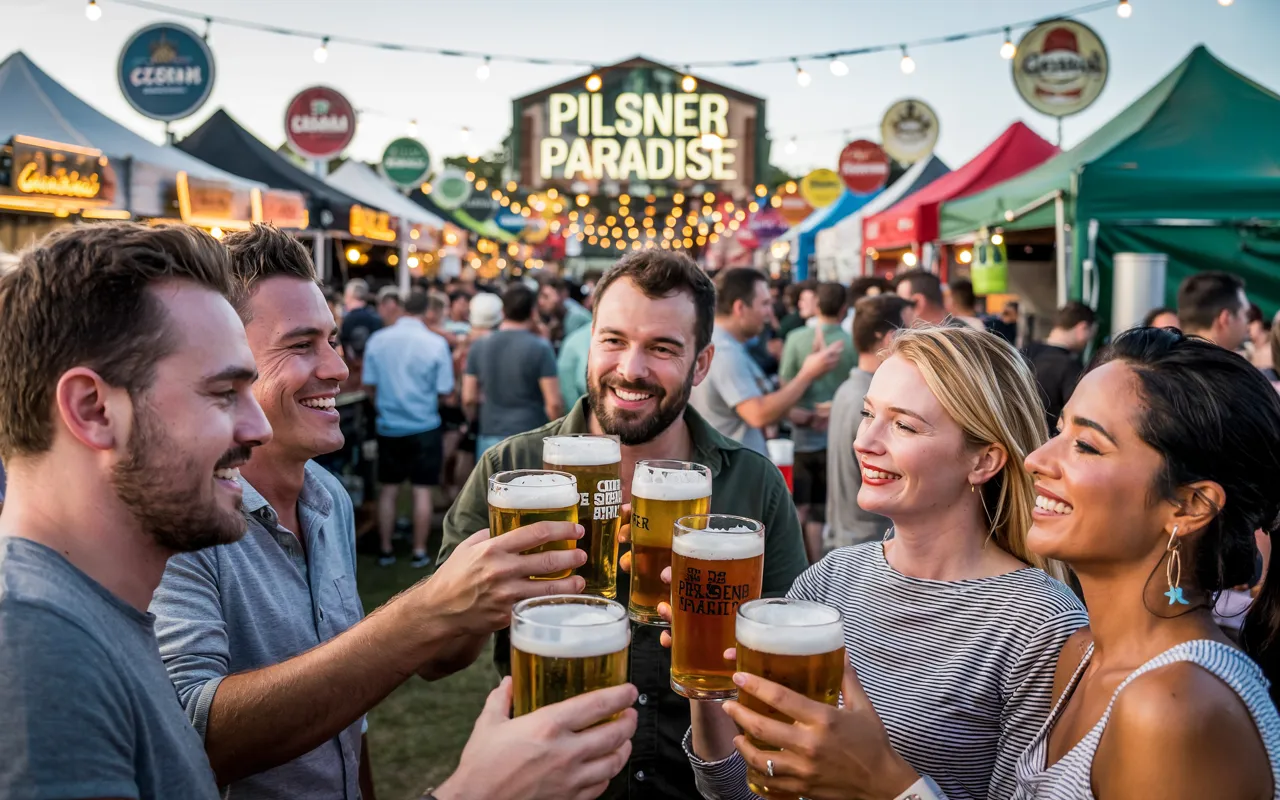
Few beer styles are as universally accepted at social gatherings as Pilsner. Thanks to its moderate alcohol content, refreshing taste, and clean finish, it seamlessly fits into nearly every occasion. Whether you’re celebrating milestones or just unwinding, Pilsner is the go-to brew for many.
Popular Pilsner Pairing Events:
- Barbecues & Outdoor Parties – Complements grilled meats and picnic fare
- Sporting Events & Tailgates – Keeps fans refreshed through the action
- Music Festivals & Concerts – Offers sessionable enjoyment for long hours
- Corporate Mixers & Networking Events – A non-intimidating, crowd-pleasing choice
Its food-friendly profile—balancing mild bitterness with malt sweetness—makes it ideal alongside everything from nachos to gourmet charcuterie, further entrenching Pilsner in modern food and drink culture.
Contribution to Beer Tourism
Pilsner has become a pilgrimage-worthy icon in the world of beer tourism. Enthusiasts regularly travel thousands of miles to taste traditional Pilsners in their native regions, explore historic breweries, and understand the cultural significance behind the world’s most consumed beer style.
Top Pilsner-Focused Beer Tourism Destinations:
| Location | Significance |
|---|---|
| Plzeň, Czech Republic | Birthplace of Pilsner Urquell, the original golden lager |
| Munich, Germany | Renowned for its crisp German Pils and brewing tradition |
| Brussels, Belgium | Offers a Belgian take on Pilsners, blending tradition and innovation |
These destinations offer more than just beer—they serve as immersive experiences, showcasing brewing techniques, historical artifacts, and tasting traditions. In many ways, Pilsner acts as the gateway to understanding broader beer cultures, attracting both novices and seasoned aficionados alike.
Whether in historic beer halls, modern taprooms, or global festivals, Pilsner continues to play a pivotal role in shaping how beer is brewed, celebrated, and shared. Its cultural impact is a testament to its timeless appeal—a lager that not only quenches thirst but unites people across generations and geographies.
The Final Pour: A Golden Legacy
Pilsner’s remarkable evolution—from a humble Bohemian innovation to the world’s most beloved beer style—is a tribute to its timeless appeal and distinctive qualities. Its crisp, clean taste, brilliant golden hue, and refreshing character have made it a staple in beer culture across continents and generations.
What began in Plzeň in 1842 has since blossomed into a global brewing phenomenon, influencing everything from large-scale commercial lagers to bold, artisanal interpretations crafted by modern breweries. The rise of Pilsner is closely tied to advances in brewing technology, refrigeration, and a growing desire among consumers for beers that are both flavorful and approachable.
Today, whether you’re sipping a classic Czech Pilsner, enjoying a hop-forward German Pils, or exploring a craft-brewed American twist, you’re partaking in a legacy that has left an indelible mark on the beer world. Pilsner is more than just a drink—it’s a cultural icon, a symbol of brewing excellence, and a universal toast to simplicity done right.
So the next time you pour a glass of this golden lager, take a moment to savor not just the flavor, but the rich history and craftsmanship behind every effervescent sip. Here’s to Pilsner: a style that continues to unite beer lovers, inspire brewers, and quench thirsts—one perfect pour at a time.
👉 Master your craft with 🛒 The Art of Mixology: Classic Cocktails and Curious Concoctions—a beautifully illustrated cocktail recipe book perfect for home bartenders and mixology enthusiasts.
📌 Related Read: Ales vs. Lagers: Understanding the Two Main Types of Beer
Join the Conversation!
Drop your thoughts in the comments below and let’s chat about all things beverage!
Frequently Asked Questions (FAQ)
A pilsner is a type of pale lager known for its light body, crisp flavor, and mild bitterness. It originated in the 19th century in Plzeň (Pilsen), Czech Republic.
Pilsner became globally popular due to its refreshing taste, mass appeal, and ease of production. Its clear, golden appearance and drinkability made it a hit in many countries.
Pilsners typically have a pale golden color, a clean and crisp taste, floral hop aroma, and moderate bitterness. They’re usually light-bodied and highly carbonated.
Pilsners are a subcategory of lagers, but they use a specific type of hops (often Saaz) and have a more noticeable bitterness and floral aroma compared to other lagers like helles or Vienna lagers.
Pilsners pair well with spicy foods, grilled chicken, seafood, light salads, and classic bar snacks like pretzels and fried foods due to their crisp, palate-cleansing nature.
Yes. The two main types are Czech (Bohemian) pilsners, which are slightly maltier, and German pilsners, which tend to be more bitter and drier.
Popular pilsner brands include Pilsner Urquell, Bitburger, Beck’s, Stella Artois, and Budweiser (American-style).


