
A Complete Health and Taste Comparison
Picture this: you’re standing in the tea aisle, overwhelmed by the variety of options. Should you reach for that comforting chamomile or stick with your tried-and-true green tea? I’ve been there, and I know how confusing it can be to opt for herbal tea vs. green tea. With so many claims about health benefits and conflicting information out there, it’s easy to feel lost.
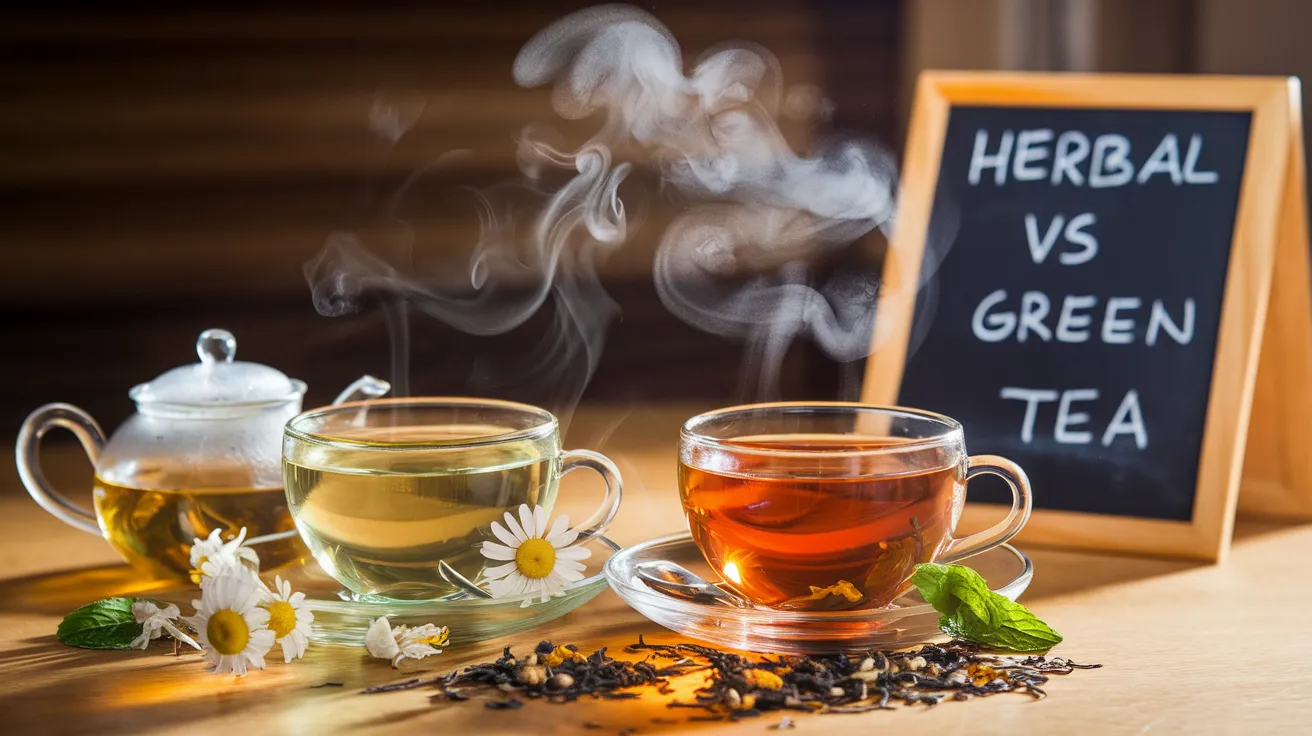
That’s why I decided to dive deep into the world of teas and uncover the truth about herbal tea vs. green tea. As someone who’s passionate about both health and flavor, I couldn’t resist the challenge of comparing these two popular beverages. In this blog post, I’ll share everything I’ve learned about their nutritional profiles, health benefits, taste characteristics, and more. By the time you finish reading, you’ll be equipped with the knowledge to make the best choice for your wellness routine and taste preferences.
👉 Enhance your tea experience with the Vianté Luxury Tea Set—a beautifully crafted electric kettle with a tea infuser, ceramic teapot, and cups, all elegantly placed on a wooden tray. Perfect for loose-leaf tea lovers and an excellent gift idea for any tea enthusiast. Get yours today! 🛒 Vianté Luxury Tea Set
Join me as we explore the fascinating differences between herbal and green teas, from their origins to their potential side effects. We’ll start by understanding what sets these teas apart, then dive into their nutritional content and health benefits. I’ll also share my personal experiences with their flavors and versatility, helping you decide which tea might become your new favorite. Let’s embark on this flavorful journey together and discover which brew reigns supreme for your unique needs!
Understanding Herbal and Green Teas
Defining herbal tea
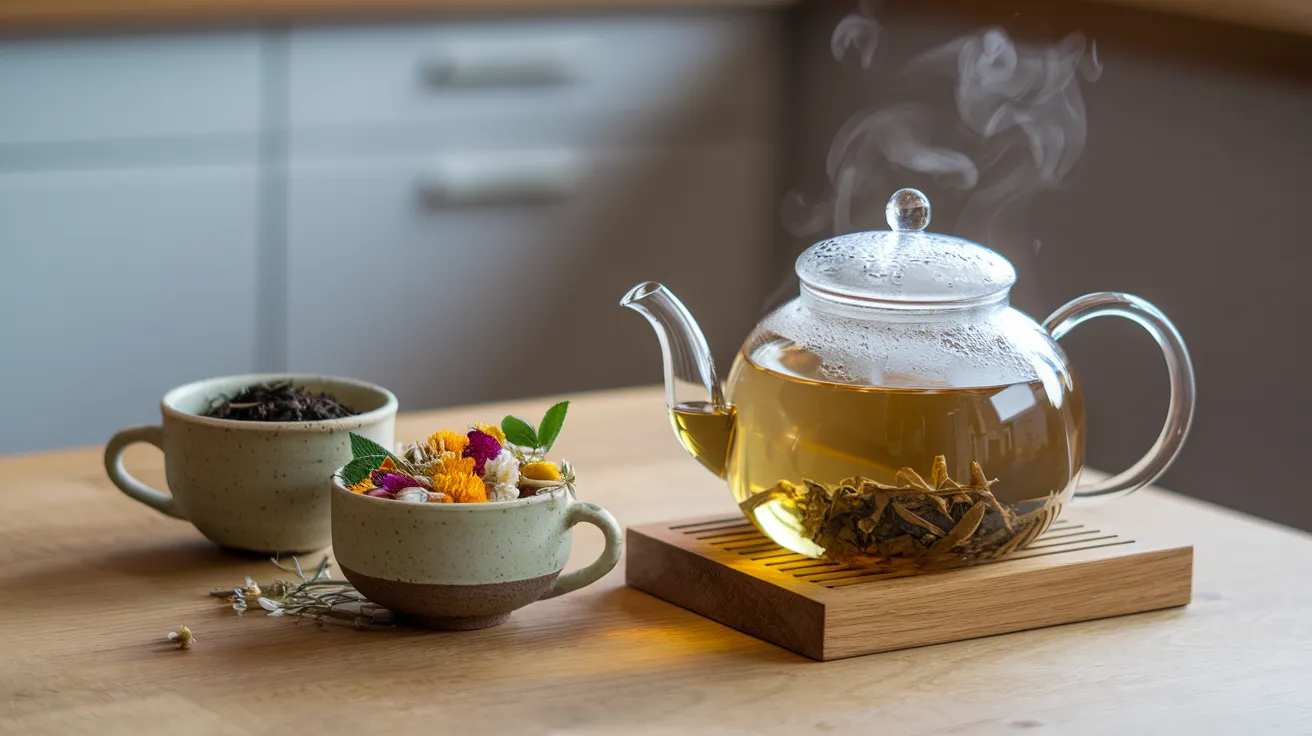
Herbal tea, despite its name, isn’t actually tea in the traditional sense. As a tea enthusiast, I can tell you that herbal tea is an infusion made from various plants, herbs, flowers, or fruits, but doesn’t contain any leaves from the Camellia sinensis plant. This distinction is crucial because it sets herbal tea apart from true teas like green, black, or oolong.
Some popular herbal teas I love include:
- Chamomile
- Peppermint
- Rooibos
- Hibiscus
Defining Green Tea
Green tea, on the other hand, is a true tea that I frequently enjoy. It’s made from the leaves of the Camellia sinensis plant, which are minimally processed to prevent oxidation. This minimal processing is what gives green tea its characteristic light color and delicate flavor.
Key differences in origin and production
The origin and production processes of herbal and green teas differ significantly. Here’s a quick comparison:
| Aspect | Herbal Tea | Green Tea |
|---|---|---|
| Origin | Various plants, herbs, flowers, or fruits | Camellia sinensis plant |
| Processing | Drying and sometimes roasting | Minimal oxidation, then heat-treated |
| Caffeine Content | Usually caffeine-free | Contains caffeine |
| Flavor Variety | Wide range of flavors | Grassy, vegetal, or nutty notes |
In my experience, the production of herbal tea is often simpler, involving drying the plant material and sometimes roasting it. Green tea production, however, requires careful handling to prevent oxidation. I’ve learned that the leaves are typically heat-treated soon after harvesting, either by pan-firing or steaming, which helps preserve their green color and delicate flavor profile.
Nutritional Profiles Compared
Caffeine content
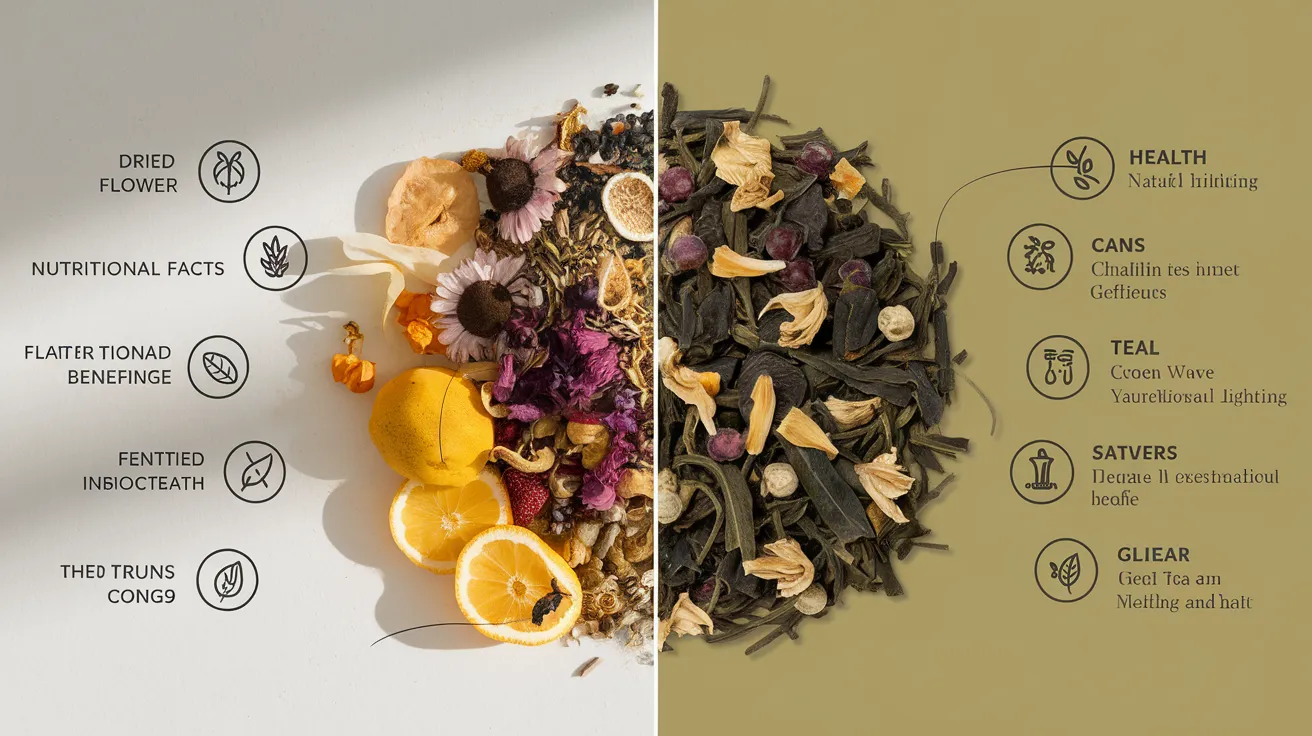
When it comes to caffeine content, there’s a stark difference between herbal and green teas. As someone who’s been researching and drinking tea for years, I can tell you that green tea contains moderate amounts of caffeine, typically ranging from 25-35 mg per 8 oz cup. On the other hand, most herbal teas are naturally caffeine-free, making them an excellent choice for those looking to avoid stimulants.
Here’s a quick comparison table:
| Tea Type | Caffeine Content (per 8 oz cup) |
|---|---|
| Green Tea | 25-35 mg |
| Herbal Tea | 0-2 mg (trace amounts) |
Antioxidant levels
Both herbal and green teas are renowned for their antioxidant properties, but they differ in the types and amounts of antioxidants they contain. Green tea is rich in catechins, particularly EGCG (epigallocatechin gallate), which is known for its powerful health benefits. Herbal teas, depending on their ingredients, can offer a wide variety of antioxidants like flavonoids and polyphenols.
Vitamins and minerals
The vitamin and mineral content in these teas varies significantly:
- Green tea: Rich in vitamin C, B vitamins, and minerals like fluoride, manganese, and zinc.
- Herbal teas: Content depends on the herbs used, but can include:
- Chamomile: Rich in flavonoids
- Peppermint: High in manganese and vitamin C
- Rooibos: Contains calcium, manganese, and fluoride
Calorie count
I’ve found that both green and herbal teas are excellent low-calorie beverages. When consumed without added sweeteners or milk, they typically contain:
- Green tea: 2-3 calories per 8 oz cup
- Herbal tea: 0-2 calories per 8 oz cup
This makes them ideal for those watching their calorie intake or looking for a flavorful, hydrating drink.
Health Benefits Face-Off
Weight management potential
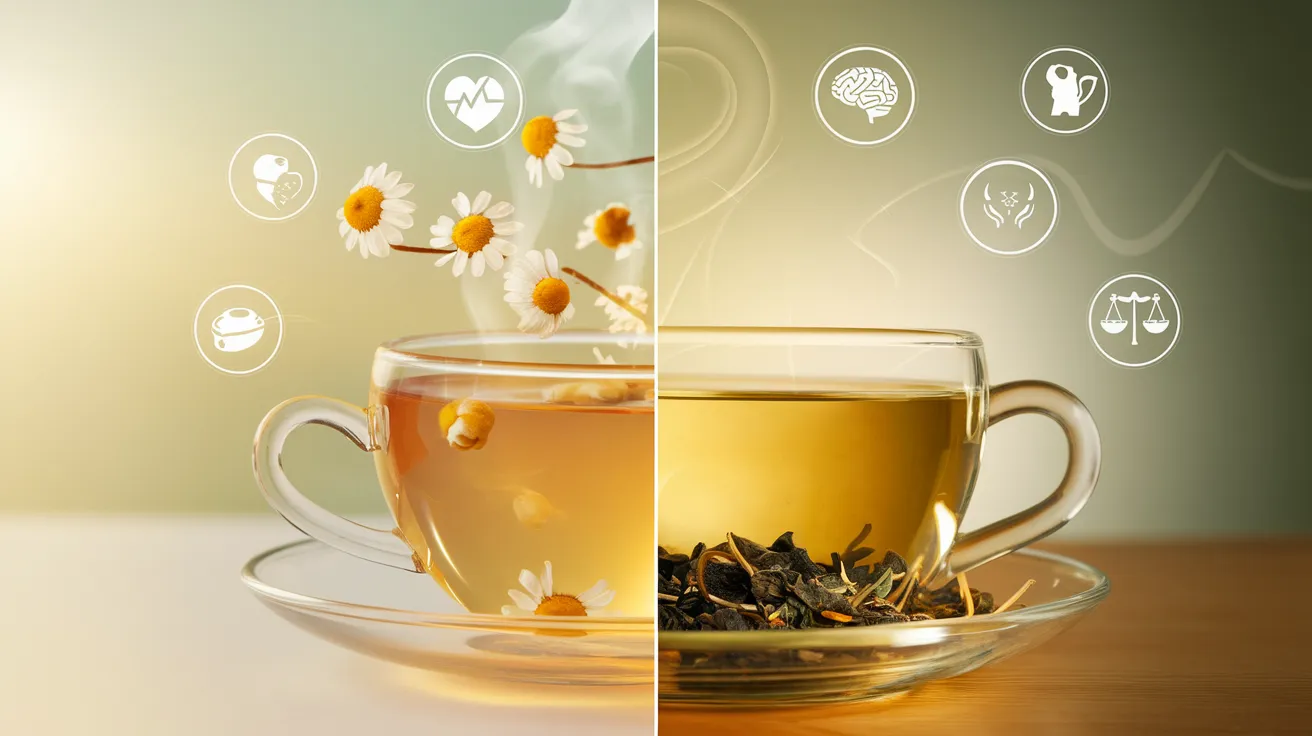
When it comes to weight management, I’ve found that both herbal and green teas can be beneficial, but in different ways. Green tea, with its caffeine and catechins, particularly EGCG, has shown more direct effects on metabolism and fat burning. In my experience, incorporating green tea into a balanced diet and exercise routine can provide a slight boost to weight loss efforts.
Herbal teas, on the other hand, often support weight management indirectly. For instance, I’ve noticed that drinking peppermint or ginger tea can help curb cravings and reduce snacking. Here’s a comparison of how these teas may aid in weight management:
| Tea Type | Weight Management Benefits |
|---|---|
| Green Tea | Boosts metabolism, Increases fat oxidation |
| Herbal Tea | Reduces cravings, Supports hydration |
Heart health support
Both types of tea have impressed me with their potential for supporting heart health. Green tea’s antioxidants, particularly catechins, have been linked to improved cardiovascular function in numerous studies I’ve read. I’ve incorporated it into my routine to help maintain healthy cholesterol levels and blood pressure.
Many herbal teas also offer cardiovascular benefits. For example, I often recommend hibiscus tea to friends concerned about their blood pressure, as studies have shown its potential to lower hypertension.
Digestive system effects
In my experience, herbal teas truly shine when it comes to digestive health. I’ve found peppermint tea to be excellent for soothing an upset stomach, while ginger tea can help with nausea and bloating. Chamomile tea is my go-to for overall digestive comfort.
Green tea, while not as potent for digestive issues, still offers benefits. Its catechins may help reduce inflammation in the digestive tract, and I’ve noticed it can aid in regularity when consumed regularly.
Stress reduction and relaxation
When I need to unwind, I often turn to herbal teas. Chamomile, lavender, and lemon balm teas have been part of my evening routine for years, helping me relax and prepare for a good night’s sleep. These caffeine-free options are perfect for stress reduction without interfering with sleep.
Green tea, while containing some L-theanine which can promote relaxation, also contains caffeine. I find it more suitable for daytime stress management, providing a gentle energy boost along with a calming effect.
Immune system boosting properties
Both types of tea have impressed me with their immune-boosting potential. Green tea‘s high antioxidant content, particularly EGCG, has been shown to enhance immune function. I make sure to increase my green tea intake during cold and flu season.
Many herbal teas also offer immune support. Echinacea tea, for instance, has been a staple in my winter wellness routine for years. Elderberry and ginger teas are other options I recommend for their potential to strengthen the immune system.
Taste and Flavor Characteristics
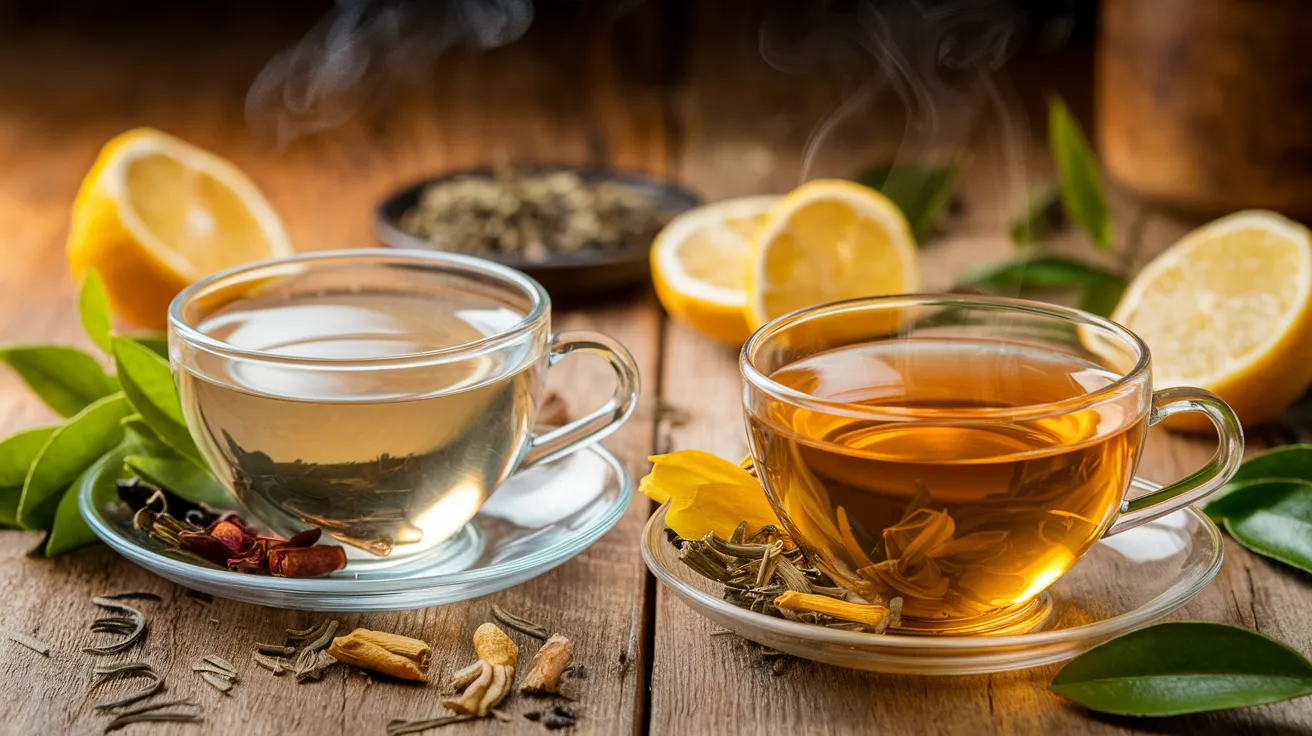
Green tea’s unique flavors
When it comes to green tea, I’ve found that its flavor profile is truly unique. The taste can range from grassy and vegetal to nutty and sweet, depending on the variety and processing method. I’ve noticed that high-quality green teas often have a subtle umami flavor, reminiscent of seaweed or roasted chestnuts.
Here’s a breakdown of common green tea flavors I’ve experienced:
| Flavor Profile | Description | Example Varieties |
|---|---|---|
| Grassy | Fresh, vegetal notes | Sencha, Gyokuro |
| Nutty | Roasted, warm flavors | Genmaicha, Hojicha |
| Floral | Delicate, aromatic | Jasmine Green Tea |
| Umami | Savory, broth-like | Gyokuro, Matcha |
Herbal tea varieties and tastes
I’ve explored numerous herbal teas, and I can confidently say that their flavors are as diverse as the plants they come from. From soothing chamomile to zesty peppermint, each herbal tea offers a unique taste experience.
Some popular herbal teas I enjoy include:
- Chamomile: Floral and honey-like
- Peppermint: Cool and refreshing
- Rooibos: Nutty and slightly sweet
- Hibiscus: Tart and berry-like
- Ginger: Spicy and warming
Brewing methods and their impact on flavor
I’ve learned that the way you brew your tea can significantly affect its flavor. For green tea, I use cooler water (around 160-180°F) and steep for a shorter time to avoid bitterness. With herbal teas, I often use boiling water and steep for longer to extract more flavor.
Now that we’ve explored the taste profiles of both green and herbal teas, let’s look at how versatile these beverages can be in our daily lives.
Versatility in Consumption
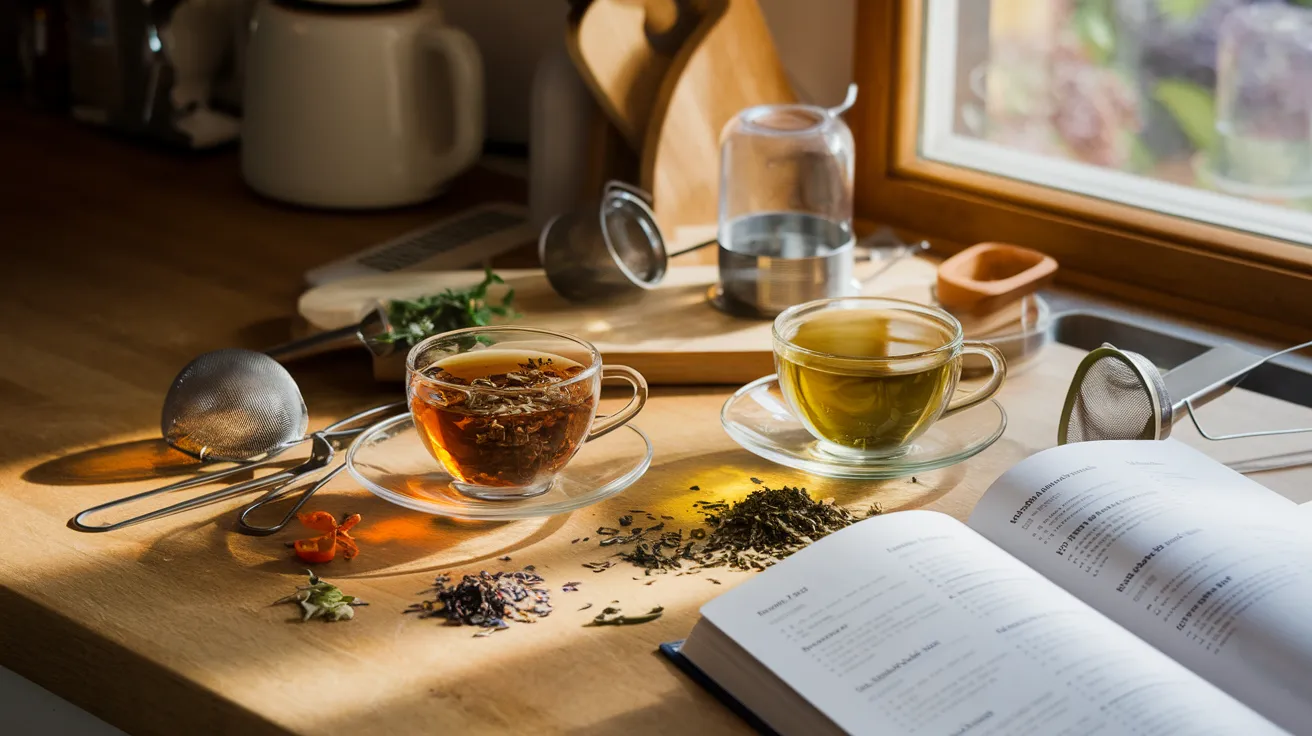
Hot vs. cold brewing options
When it comes to versatility, I find both herbal and green teas to be incredibly adaptable. For hot brewing, I typically use water just below boiling point for green tea to avoid bitterness, while herbal teas can withstand higher temperatures. Cold brewing is a game-changer for both types. I simply steep the tea in cold water for several hours or overnight, resulting in a smoother, less bitter flavor profile.
Here’s a quick comparison of brewing methods:
| Method | Green Tea | Herbal Tea |
|---|---|---|
| Hot | 175-185°F, 2-3 min | 200-212°F, 5-7 min |
| Cold | 6-8 hours, room temp | 8-12 hours, room temp |
Culinary uses in cooking and baking
I love incorporating both teas into my culinary adventures. Green tea’s earthy flavor works wonders in:
- Matcha-infused baked goods
- Tea-smoked meats
- Green tea ice cream
Herbal teas offer a wider range of flavors, perfect for:
- Fruit-based desserts (e.g., lavender shortbread)
- Savory dishes (rosemary tea-infused roast chicken)
- Homemade popsicles and sorbets
Blending possibilities with other ingredients
The blending potential of these teas is truly exciting. I often experiment with:
- Green tea + mint + lemon for a refreshing iced tea
- Chamomile + honey + ginger for a soothing nighttime blend
- Rooibos + vanilla + cinnamon for a caffeine-free chai alternative
Both types of tea can be combined with fruits, herbs, and spices to create unique flavor profiles. This versatility makes them excellent bases for custom tea blends, allowing me to tailor my tea experience to my mood or health needs.
Potential Side Effects and Precautions
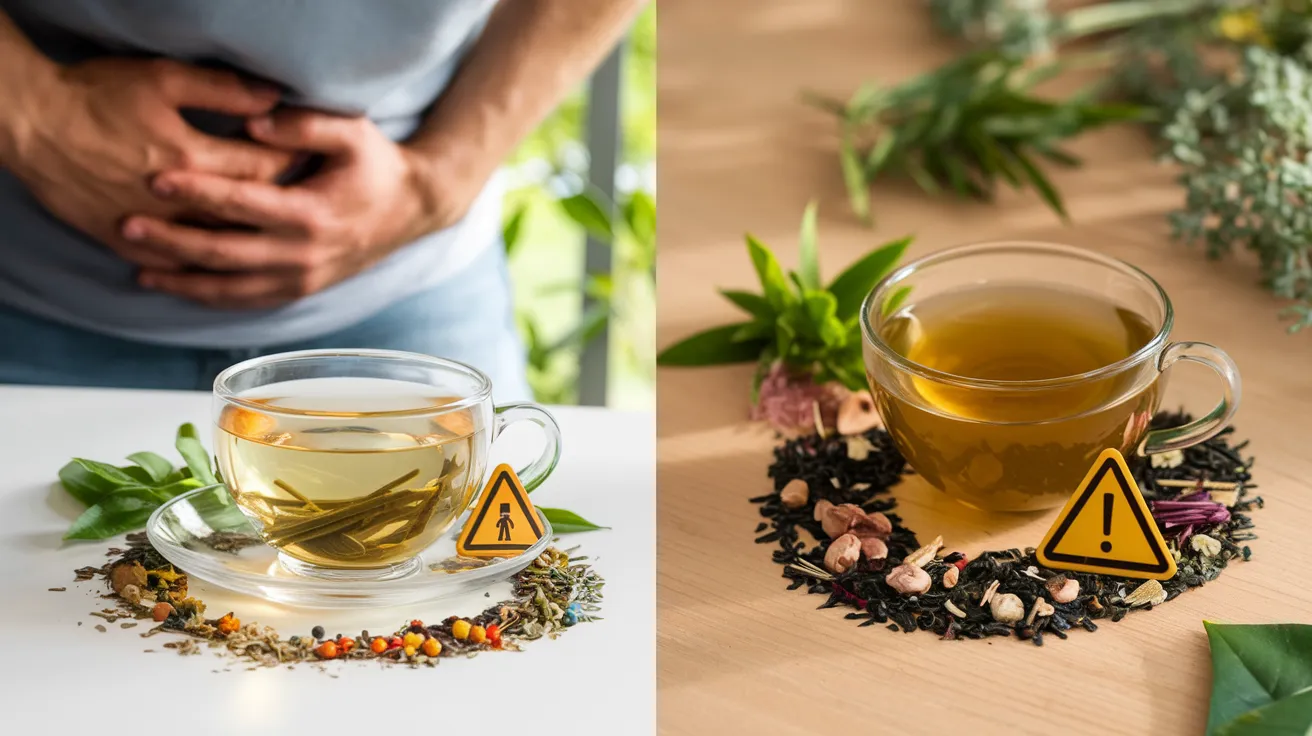
Green tea’s caffeine-related concerns
As an avid tea drinker, I’ve noticed that some people experience jitters or sleeplessness after consuming green tea. This is primarily due to its caffeine content. While green tea contains less caffeine than coffee, it can still cause issues for those sensitive to stimulants.
Here’s a quick comparison of caffeine content:
| Beverage | Caffeine Content (per 8 oz) |
|---|---|
| Green Tea | 25-35 mg |
| Coffee | 95-200 mg |
| Black Tea | 14-70 mg |
I always advise my friends to be mindful of their caffeine intake, especially if they’re prone to anxiety or have trouble sleeping.
Herbal tea interactions with medications
In my experience, many people overlook the potential interactions between herbal teas and medications. Some herbs can affect how our bodies process certain drugs, either enhancing or reducing their effectiveness.
Common interactions I’ve come across:
- St. John’s Wort: Can interfere with antidepressants and birth control pills
- Chamomile: May increase the effects of blood thinners
- Ginger: Might interact with diabetes medications
I always recommend consulting with a healthcare provider before regularly consuming herbal teas, especially if you’re on medication.
Pregnancy and breastfeeding considerations
As someone who’s witnessed friends navigate pregnancy, I know how crucial it is to be cautious about tea consumption during this time. While many herbal teas are safe, some can be harmful to the developing fetus or newborn.
Teas to avoid during pregnancy and breastfeeding:
- Sage tea (may reduce milk supply)
- Licorice root tea (may increase blood pressure)
- Raspberry leaf tea (in early pregnancy)
I always suggest that expectant or nursing mothers consult their healthcare provider before incorporating any new teas into their diet. It’s better to err on the side of caution when it comes to the health of both mother and child.
Choosing the Right Tea for You

Lifestyle factors to consider
When I’m choosing between herbal and green tea, I always take my lifestyle into account. For instance, if I need a caffeine boost in the morning, green tea is my go-to. However, if I’m looking for a relaxing evening drink, I opt for caffeine-free herbal teas. Here’s a quick comparison:
| Lifestyle Factor | Green Tea | Herbal Tea |
|---|---|---|
| Morning Energy | ✓ | ✗ |
| Evening Relaxation | ✗ | ✓ |
| All-Day Hydration | ✓ | ✓ |
Personal health goals alignment
I align my tea choices with my health objectives. Here’s how I break it down:
- Weight management: Green tea’s metabolism-boosting properties
- Stress relief: Chamomile or lavender herbal teas
- Immune support: Echinacea or elderberry herbal blends
- Antioxidant intake: Both green and herbal teas, especially those with berries
Taste preferences and experimentation
I love exploring different flavors, and both tea types offer a wide range:
- Green tea: From grassy sencha to nutty genmaicha
- Herbal tea: Fruity blends, spicy chai, or floral infusions
Brew-tiful Endings
I often mix and match to create unique blends. For example, I might combine green tea with mint for a refreshing twist. Remember, the best tea is the one you enjoy drinking regularly. So, I encourage experimenting to find your perfect cup!
After exploring the world of herbal and green teas, I’ve come to appreciate the unique qualities each brings to the table. Both offer a range of health benefits, from boosting immunity to aiding digestion, but they shine in different ways. Green tea stands out for its antioxidants and potential weight management properties, while herbal teas offer a diverse array of flavors and targeted wellness benefits.
👉 Check out our recommended 🛒 heavenly tea leaves and start your wellness journey today!
Ultimately, the choice between herbal and green tea comes down to personal preference and individual health goals. I encourage you to experiment with both types, paying attention to how each makes you feel. Whether you’re seeking a caffeine boost, a soothing bedtime drink, or a flavorful midday refresher, there’s a perfect tea waiting for you. Remember to consult with a healthcare professional if you have any concerns, and enjoy the journey of discovering your ideal tea companion.
📌 Related Read: Sip Your Stress Away: Herbal Teas That Promote Relaxation
Join the Conversation!
Drop your thoughts in the comments below and let’s chat about all things beverage!
Frequently Asked Questions (FAQ)
The main difference is that green tea comes from the Camellia sinensis plant, while herbal teas are made from herbs, flowers, fruits, or roots and are typically caffeine-free.
Both offer unique health benefits. Green tea is rich in antioxidants like EGCG and may support weight loss and heart health. Herbal teas vary but often aid digestion, stress relief, and immune function.
Yes, green tea generally has higher concentrations of catechins, especially EGCG, but many herbal teas are rich in flavonoids and polyphenols, offering different antioxidant benefits.
Absolutely! Many people enjoy green tea in the morning for its mild caffeine boost and herbal tea in the evening for relaxation. Just monitor your caffeine intake.
Herbal teas like chamomile, lemon balm, and valerian root are better suited for sleep due to their calming effects and lack of caffeine.
Yes, green tea may help boost metabolism and fat oxidation, especially when combined with a healthy diet and regular exercise.
Green tea may cause jitters or sleep issues due to caffeine. Some herbal teas can interact with medications, so consult your doctor if you’re on prescriptions.
Yes! Most herbal teas are hydrating and caffeine-free, making them ideal for all-day hydration without dehydrating effects.


