
Have you ever found yourself at a bar, staring at the menu, unsure whether to go for a classic cocktail or opt for its non-alcoholic counterpart? You’re not alone. The world of drinks has evolved, and the choice between cocktails vs. mocktails is more nuanced than ever before.
⚠️ Alcohol Content Disclaimer: GetUrDrinkOn.com features content related to alcoholic beverages and mixology. All content is intended for informational and entertainment purposes only. We do not sell alcohol or promote underage or irresponsible drinking. This site is intended for adults aged—21 and over in the United States, and 18 and over in most other countries. Please drink responsibly. If you or someone you know is struggling with alcohol use, please seek professional help.

Cocktails have long been the life of the party, but mocktails are quickly gaining ground. With health-conscious consumers on the rise and innovative mixologists pushing the boundaries of flavor, the line between these two drink categories is blurring.
👉 Upgrade your home bar with the 🛒 KITESSENSU Cocktail Shaker Set Bartender Kit—a complete mixology set with shaker, tools, and stand, perfect for cocktail lovers.
But what’s really the difference? And more importantly, how do you choose the right one for you? Whether you’re a social butterfly, a designated driver, or simply curious about expanding your beverage horizons, understanding the ins and outs of cocktails and mocktails is crucial. Let’s dive into the world of shakers and stirrers to explore the health considerations, social implications, flavor profiles, and ingredients that will help you make an informed choice for your next night out.
Understanding Cocktails vs. Mocktails

Defining Cocktails: Alcoholic Mixed Drinks
Cocktails are classic alcoholic beverages crafted by blending one or more base spirits with mixers, flavorings, and garnishes. Known for their flavor complexity and visual appeal, cocktails are a staple at bars, parties, and upscale gatherings.
These drinks are as much about balance and technique as they are about ingredients. A well-made cocktail highlights the distinct character of the alcohol while enhancing it with complementary flavors and aromas.
Common Cocktail Components:
| Component | Examples |
|---|---|
| Base | Vodka, Gin, Whiskey, Tequila |
| Mixer | Tonic water, Cola, Fruit juices |
| Flavoring | Bitters, Mint, Honey, Syrups |
| Garnish | Lemon twist, Olive, Fresh herbs |
Whether you’re sipping on a Mojito, Old Fashioned, or Margarita, each cocktail is an intentional blend designed to elevate the drinking experience.
Exploring Mocktails: Non-Alcoholic Alternatives
Mocktails—short for “mock cocktails”—are expertly crafted non-alcoholic drinks that replicate the taste and presentation of traditional cocktails without the alcohol content. Perfect for designated drivers, health-conscious individuals, or anyone avoiding alcohol, mocktails offer a refined and inclusive drinking option.
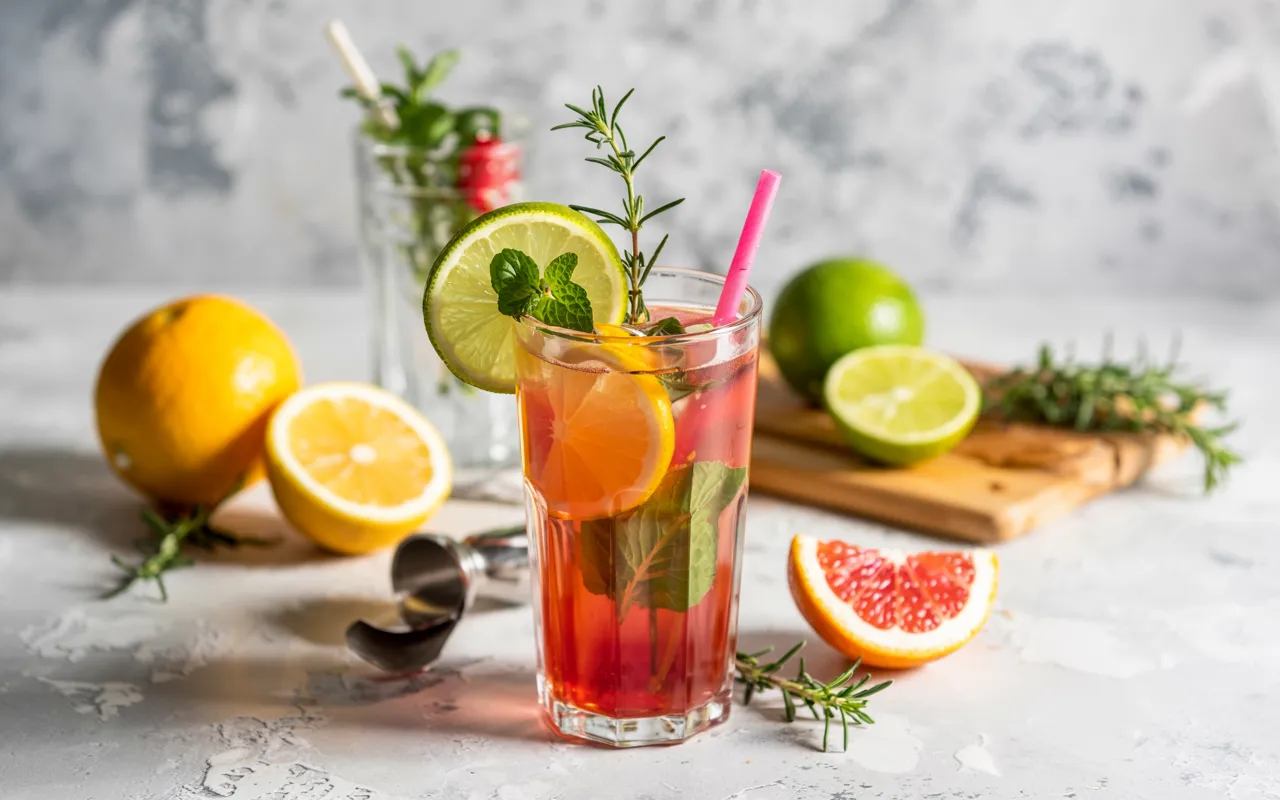
Mocktails emphasize fresh ingredients, layered flavors, and elegant garnishes to deliver the same satisfaction as their alcoholic counterparts.
Key Elements in Mocktails:
- Fruit juices and purees: Orange, cranberry, mango, passion fruit
- Herbal infusions: Basil, mint, lavender, rosemary
- Carbonated beverages: Sparkling water, ginger beer, club soda
- Creative garnishes: Citrus wheels, berries, edible flowers
From Virgin Mojitos to Cucumber Mint Coolers, mocktails are rising stars in the beverage world, proving that you don’t need alcohol to enjoy a sophisticated and flavorful drink.
Health Considerations
Alcohol Content and Its Effects
Cocktails typically contain 10–15% ABV (alcohol by volume), with an average of 1.5 oz of distilled spirits per serving. While they offer flavor and sophistication, it’s essential to understand how alcohol affects the body, especially when consumed regularly or in large quantities.
Effects of Alcohol:
- Impaired judgment – Reduces decision-making and reaction time
- Slowed reflexes – Can increase the risk of accidents
- Dehydration – Alcohol is a diuretic, leading to fluid loss and potential hangovers
- Liver strain – Long-term heavy drinking can damage liver function
- Increased calorie intake – Alcohol adds “empty” calories that offer no nutritional benefit
| Drink Type | Alcohol Content |
|---|---|
| Cocktail | 10-15% ABV |
| Mocktail | 0% ABV |
Mocktails offer a safe, non-alcoholic alternative that allows you to enjoy flavorful beverages without the physiological effects of alcohol.

Calorie Comparison: Cocktails vs. Mocktails
While mocktails typically contain fewer calories than cocktails, the difference isn’t always significant—especially when sugary mixers, sodas, or syrups are involved. Alcohol itself is calorie-dense, with approximately 100 calories per 1.5 oz shot of distilled spirits.
General Calorie Range:
- Cocktails: 150–400 calories per serving
- Mocktails: 70–200 calories per serving (can be more with added sugar)
Tips for Reducing Calories in Cocktails & Mocktails:
- Use fresh fruit juice instead of sweetened concentrates
- Replace sugary mixers with sparkling water or herbal infusions
- Add natural sweeteners like honey or agave in moderation
- Garnish with fresh herbs or citrus for flavor without added sugar
By being mindful of ingredients, you can craft both cocktails and mocktails that are healthier, refreshing, and lower in calories, all while still enjoying the social and sensory experience of a well-made drink.
Social Aspects of Drink Choices
Inclusivity for Non-Drinkers
In today’s diverse social landscape, mocktails promote inclusivity by offering stylish, enjoyable options for those who choose not to drink alcohol. Whether due to health, religious, or personal reasons, many individuals abstain from alcohol—and thoughtfully crafted non-alcoholic beverages ensure they feel just as welcome and catered to during social events.
Why Non-Drinkers Choose Mocktails:
| Reasons for Non-Drinking | Mocktail Benefits |
|---|---|
| Health concerns | Lower in calories and alcohol-free |
| Religious or cultural beliefs | Respectful, alcohol-free alternatives |
| Pregnancy | Safe and sophisticated non-alcoholic choice |
| Designated drivers | Enjoy flavorful drinks without risk |
| Personal preference | A satisfying option with no pressure |
By offering alcohol-free mocktails at gatherings, hosts show social awareness and hospitality. These beverages are not just placeholders—they’re crafted experiences that respect everyone’s lifestyle and elevate the overall party atmosphere.

Navigating Social Pressure
In environments where alcohol is expected, mocktails provide a seamless solution for individuals who prefer not to drink. Holding a well-presented mocktail can help avoid awkward conversations or pressure to explain one’s choices. Because mocktails often resemble traditional cocktails in appearance, they allow guests to blend in without compromising their boundaries.
Benefits of Choosing Mocktails in Social Settings:
- Reduces questions or peer pressure
- Encourages mindful drinking habits
- Enables participation in toasts and cheers
- Fosters comfort and confidence in social environments
Whether you’re the host or the guest, mocktails offer a respectful, inclusive way to enjoy social gatherings—ensuring that everyone has a seat at the table and a glass in hand, no matter their preference.
Flavor Profiles and Ingredients

Common Cocktail Bases and Mixers
The foundation of any great cocktail lies in its base spirit and the mixers used to complement it. Each base has a distinctive flavor profile, and when paired with the right mixers, it creates a unique and memorable drink experience.
Popular Cocktail Bases:
- Vodka – Neutral, versatile, works well with fruit juices and herbal notes
- Gin – Herbal and botanical, ideal for crisp, refreshing mixers like tonic water
- Rum – Sweet and warm, often used in tropical cocktails with citrus or coconut
- Whiskey – Rich and smoky, pairs well with soda or bitters
- Tequila – Earthy and sharp, famously combined with lime and citrus mixers
| Mixer | Pairs Well With |
|---|---|
| Tonic | Gin, Vodka |
| Soda | Whiskey, Rum |
| Juice | Vodka, Tequila |
| Ginger Beer | Rum (as in a Dark & Stormy) |
| Cola | Whiskey, Rum |
These pairings allow mixologists to balance strong spirits with flavors that enhance, soften, or contrast the base, depending on the desired outcome—be it sweet, sour, bitter, or spicy.
Popular Mocktail Ingredients
Mocktails are no longer just a sugary stand-in for real cocktails—they’ve evolved into sophisticated, layered beverages crafted with just as much creativity. By using fresh, premium ingredients, bartenders can create complex flavor profiles without a drop of alcohol.
Top Mocktail Components:
- Fresh fruit juices – Orange, pomegranate, watermelon, cranberry
- Herbal infusions – Mint, basil, rosemary, or thyme for aromatic notes
- Artisanal syrups – Lavender syrup, honey simple syrup, or agave for natural sweetness
- Sparkling water or tonic – Adds effervescence and elevates presentation
- Fresh fruit garnishes – Citrus wheels, berries, or edible flowers for eye-catching flair
These ingredients don’t just bring flavor—they also contribute to a visually stunning and nutrient-rich drink. Whether you’re crafting a vibrant brunch mocktail or a refined evening sipper, the right combination of juices, herbs, and fizz can transform a simple drink into an elegant alcohol-free masterpiece.

Impress your friends & family this Season with this Pineapple Ginger Sparkler (Mockito)
Making an Informed Choice
Assessing Your Personal Preferences
Choosing between a cocktail and a mocktail depends on your personal taste profile, lifestyle, and dietary needs. Both options can offer delightful flavor experiences—but the key lies in aligning your choice with what suits your health goals and social comfort.
Here’s a side-by-side comparison to help guide your decision:
| Aspect | Cocktails | Mocktails |
|---|---|---|
| Alcohol | Contains spirits (5–40% ABV) | Completely alcohol-free |
| Flavor | Strong, bold, often complex | Light, fruity, refreshing |
| Calories | Generally higher (due to alcohol) | Usually lower, varies by sugar |
| Purpose | Social enjoyment, indulgence | Hydration, health-conscious fun |
If you’re seeking a bold and complex flavor, cocktails may be your go-to. But if you prefer something lighter and alcohol-free, a mocktail can be just as satisfying—especially with the right mix of fresh ingredients and garnishes.
Considering the Occasion
Your drink choice can also depend on the setting or event. Different environments call for different beverages, whether you want to celebrate, stay sharp, or just relax.
Occasion-Based Drink Suggestions:
- Formal Events: Opt for timeless classics like a Martini or a sparkling elderflower mocktail in a flute for elegance without alcohol.
- Casual Gatherings: Fruity or tropical options like a Mojito or a virgin piña colada work perfectly for backyard BBQs or weekend brunches.
- Work Functions or Networking Events: Stick with mocktails to maintain clarity and professionalism while still enjoying a stylish drink.
- Family Celebrations: Provide options for all ages with festive mocktails that mimic cocktails in taste and presentation.
Making a thoughtful choice shows self-awareness and helps ensure you enjoy the occasion without compromising your comfort or wellness goals.
👉 Master your craft with 🛒 The Art of Mixology: Classic Cocktails and Curious Concoctions—a beautifully illustrated cocktail recipe book perfect for home bartenders and mixology enthusiasts.
Stirring It All Together: Cocktails vs. Mocktails
Deciding between a cocktail and a mocktail goes beyond simply choosing whether or not to drink alcohol. It’s a personal decision influenced by health goals, social settings, and flavor preferences. Each option offers its own unique benefits—cocktails bring bold complexity and tradition, while mocktails offer inclusive, alcohol-free sophistication.

By understanding the key differences—such as alcohol content, caloric value, and social implications—you’re empowered to make the best choice for your mood and environment. Whether you’re at a bar, hosting brunch, or enjoying a night in, it’s about choosing the drink that enhances your experience and reflects your personal values.
So next time you raise a glass—whether it’s filled with vodka and vermouth or hibiscus and lime—know that the most important ingredient is mindfulness. Cheers to flavorful sips, informed decisions, and beverages that bring you joy—with or without the buzz.
📌 Related Read: What Makes a Cocktail a Cocktail
Join the Conversation!
Drop your thoughts in the comments below and let’s chat about all things beverage!
Frequently Asked Questions (FAQ)
A cocktail is a mixed drink that contains alcohol, typically made with a base spirit like vodka, rum, or gin. A mocktail, on the other hand, is a non-alcoholic beverage designed to mimic the flavor and presentation of a cocktail using juices, herbs, syrups, and soda—without any alcohol.
Generally, yes. Mocktails are usually lower in calories because they don’t contain alcohol, which is high in calories. However, both can be high in sugar depending on the mixers and sweeteners used. Opting for fresh juices and natural ingredients can make mocktails the healthier choice.
Most modern bars and restaurants offer mocktail options, especially as the demand for alcohol-free alternatives grows. If a mocktail menu isn’t available, ask the bartender for a custom non-alcoholic creation using fresh ingredients and mixers.
Mocktails can replicate the complexity, balance, and presentation of cocktails, but they won’t have the warmth or burn of alcohol. Creative mocktail recipes use ingredients like bitters, herbs, citrus, and spice to deliver similar depth of flavor.
Both work great depending on the occasion and personal preference. Mocktails offer an inclusive option for non-drinkers, pregnant guests, and designated drivers. Cocktails are often chosen for celebratory toasts and formal occasions. Offering both ensures everyone feels part of the fun.
Popular mocktail ingredients include fresh fruit juices, muddled herbs (like mint or basil), flavored syrups, coconut water, ginger beer, and soda water. Garnishes like citrus peels, edible flowers, and fresh berries enhance both flavor and appearance.
Not at all! Bringing your own ingredients or even pre-made mocktails can be a thoughtful way to ensure you have a drink option you enjoy—especially if you’re avoiding alcohol. Just check with the host first and bring enough to share!
Mocktails are gaining popularity due to rising health consciousness, sober-curious trends, and the desire for inclusive social settings. They provide a flavorful, festive alternative for people who want to enjoy the ritual of drinking—without the alcohol.


