
A Deep Dive into the Risks
Have you ever found yourself reaching for that vibrant can of energy drink, promising a quick boost to power through your day? 🚀 You’re not alone. As someone who’s relied on these fizzy pick-me-ups more times than I’d like to admit, I’ve often wondered: are energy drinks really as harmless as they seem? Lately, I’ve been hearing whispers about potential heart risks, and it’s got me seriously questioning my go-to energy fix.
Let’s face it, we live in a world that’s always on. From early morning meetings to late-night study sessions, sometimes it feels like we need that extra jolt just to keep up. But at what cost? The convenience of energy drinks might be masking a darker side that our hearts are silently bearing the brunt of. It’s time we take a closer look at what’s really inside those cans and how they might be affecting our ticker.
👉 Looking to buy the best energy drinks? Check out our top pick here: 🛒 Boost Your Energy Naturally with GURU ZERO SUGAR!
In this deep dive, I’m going to share what I’ve uncovered about energy drinks and their impact on heart health. We’ll explore everything from the sky-high caffeine content to the sneaky sugars and other ingredients that might be causing more harm than good. Whether you’re a casual sipper or a daily consumer, buckle up – this journey through the world of energy drinks might just change the way you think about your next boost.
Understanding Energy Drinks
Key Ingredients in Energy Drinks
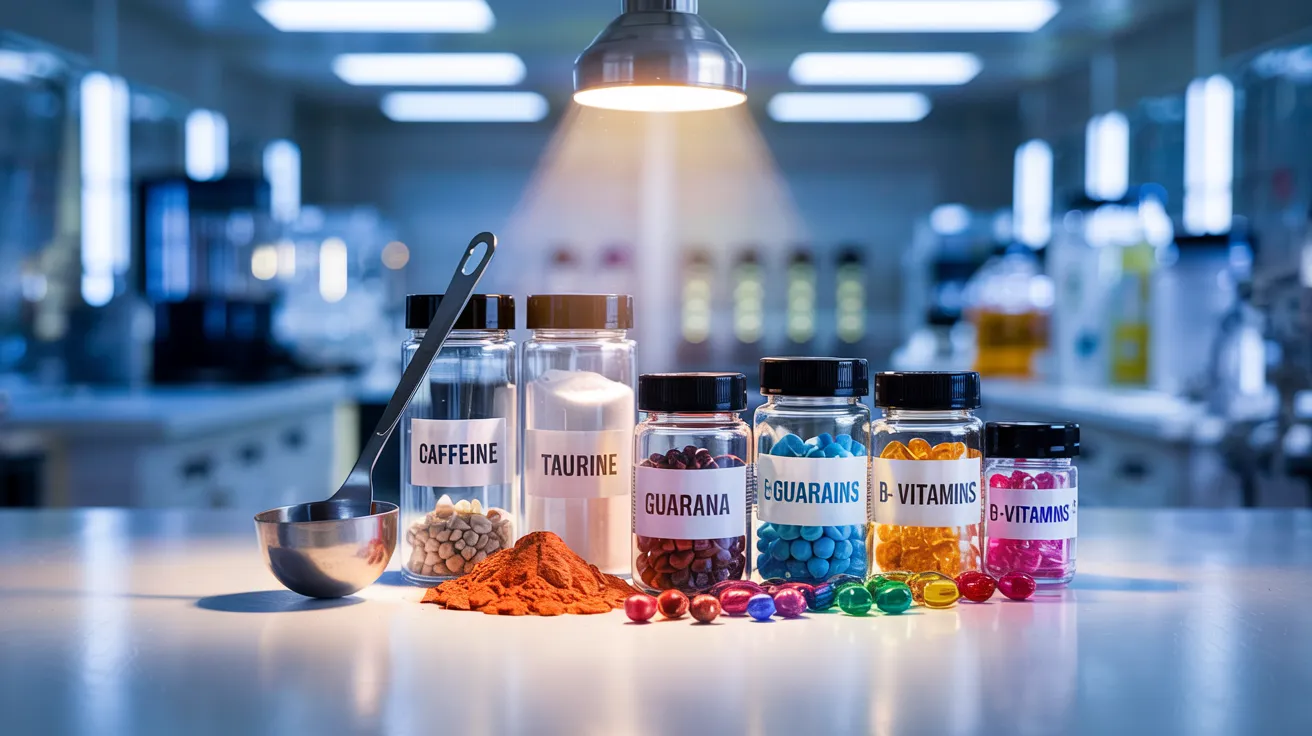
I’ve found that energy drinks typically contain a mix of stimulants and other compounds. Here’s a breakdown of the most common ingredients:
| Ingredient | Purpose |
|---|---|
| Caffeine | Stimulant |
| Taurine | Amino acid |
| B-vitamins | Energy metabolism |
| Sugar | Quick energy |
| Guarana | Natural caffeine source |
How Energy Drinks Affect the Body
When I consume an energy drink, I experience an immediate surge in alertness and energy. This is primarily due to the high caffeine content, which stimulates the central nervous system, increasing mental focus and temporarily reducing fatigue. Within minutes, I often feel more awake, alert, and ready to tackle physical or mental tasks.
However, I’ve noticed that these effects tend to be short-lived. After the initial rush of energy, there’s often a crash, leaving me feeling more tired than before. This is especially true when the drink contains high amounts of sugar. The combination of caffeine and sugar can spike both energy and blood glucose levels, only to plummet later—leading to fatigue, irritability, and lack of concentration.
Beyond this immediate reaction, energy drinks can cause other noticeable physical effects:
- Increased heart rate and blood pressure
- Jitteriness or restlessness, especially with high caffeine doses
- Digestive discomfort, such as nausea or acid reflux
- Mild dehydration, particularly if I forget to drink water alongside
Over time, frequent use of energy drinks can lead to caffeine tolerance, meaning I need more to achieve the same effect. This not only reduces their effectiveness but also increases the risk of dependency and side effects like insomnia and anxiety.
From personal experience, I’ve learned that while energy drinks can be useful for a temporary performance edge, they must be consumed mindfully and in moderation. Staying hydrated, avoiding high-sugar varieties, and timing intake carefully all help me manage their effects more safely and sustainably.
Impact on Heart Health
Elevated Heart Rate and Blood Pressure
I’ve observed that energy drinks can significantly impact cardiovascular health, especially when consumed regularly or in large quantities. One of the most immediate and noticeable effects is a spike in heart rate and blood pressure shortly after consumption. This response is largely driven by the high caffeine content found in most energy drinks.
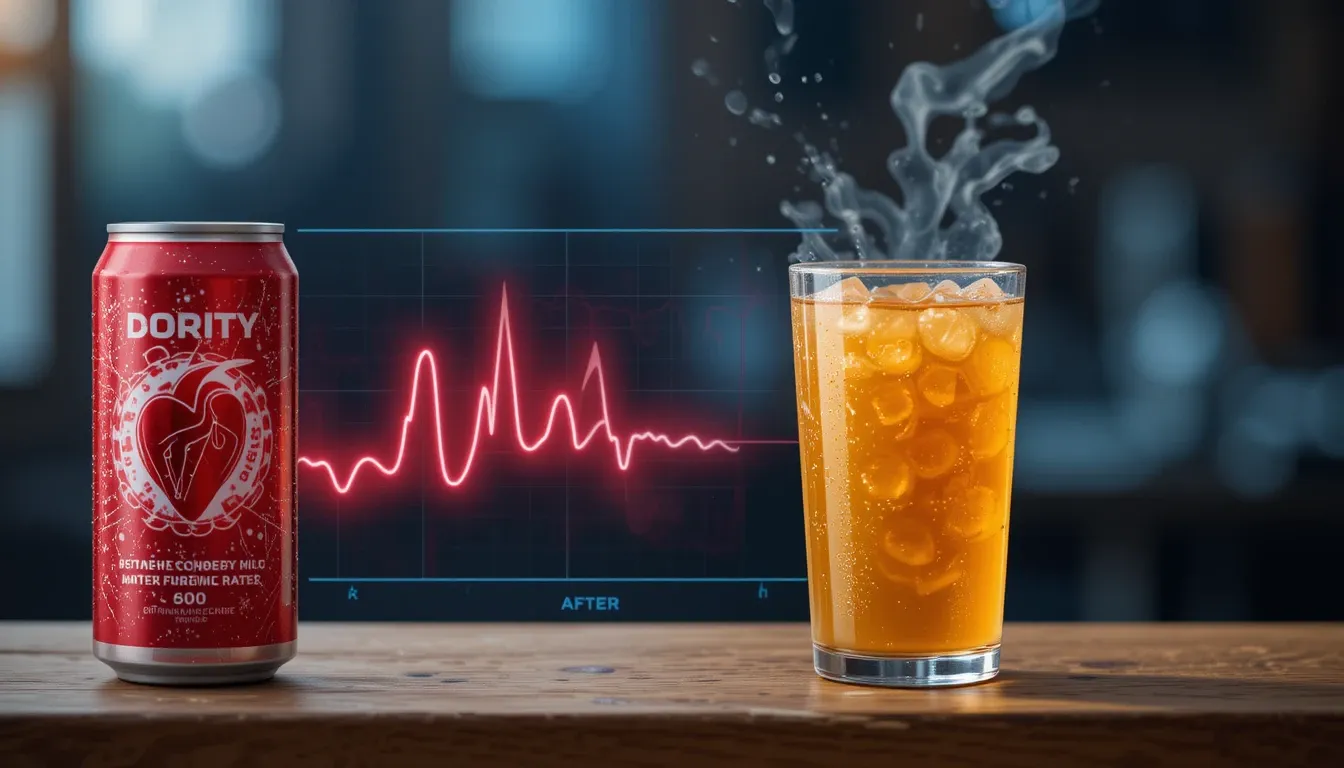
Caffeine stimulates the sympathetic nervous system, also known as the “fight or flight” system, causing the body to release stress hormones like adrenaline and cortisol. These hormones prompt the heart to beat faster and the blood vessels to constrict, resulting in a temporary increase in blood pressure.
In my experience, even a single can of an energy drink can leave me feeling my heart pounding faster than usual—especially if consumed on an empty stomach or during physical activity. For individuals with pre-existing heart conditions or sensitivity to stimulants, this can pose a serious health risk.
In the short term, this cardiovascular stimulation might feel like an energy surge, but over time, repeated spikes in heart rate and blood pressure can strain the heart. Long-term risks may include:
- Increased risk of hypertension (high blood pressure)
- Heart palpitations or arrhythmias
- Elevated risk of cardiovascular disease
To minimize these risks, I’ve learned to monitor my intake carefully, avoid stacking energy drinks with other caffeinated products, and always stay hydrated. Choosing low-caffeine or natural energy alternatives also helps me maintain energy levels without stressing my cardiovascular system.
| Effect | Cause |
|---|---|
| Increased heart rate | Caffeine stimulation |
| Elevated blood pressure | Stress hormone release |
Arrhythmias and Palpitations
In my experience, energy drinks can trigger irregular heartbeats, also known as arrhythmias, as well as noticeable heart palpitations. These sensations can feel like a racing heart, fluttering in the chest, or skipped beats—often shortly after consuming highly caffeinated drinks. While they may seem harmless at first, these symptoms are red flags that shouldn’t be ignored, especially for those with underlying cardiovascular conditions.
The high caffeine levels and added stimulants like guarana and taurine in energy drinks can overstimulate the heart’s electrical system. This overstimulation may result in rhythm disturbances such as:
- Atrial fibrillation (irregular, rapid heart rate)
- Premature ventricular contractions (PVCs)
- Tachycardia (abnormally fast heart rate)
What makes this particularly concerning is that arrhythmias, if persistent, can increase the risk of stroke, heart failure, or other severe complications. I’ve noticed that these effects are more pronounced when energy drinks are consumed quickly or in combination with exercise, alcohol, or stress.
For me, cutting back on high-stimulant energy drinks and monitoring my heart rate post-consumption helped reduce these symptoms. Choosing beverages with natural ingredients and lower caffeine levels also made a significant difference.
If you experience frequent palpitations or irregular beats after drinking energy drinks, it’s essential to consult a healthcare provider. Early awareness and moderation are key to protecting long-term heart health.
Caffeine Content and Its Effects
Comparison with other Caffeinated Beverages
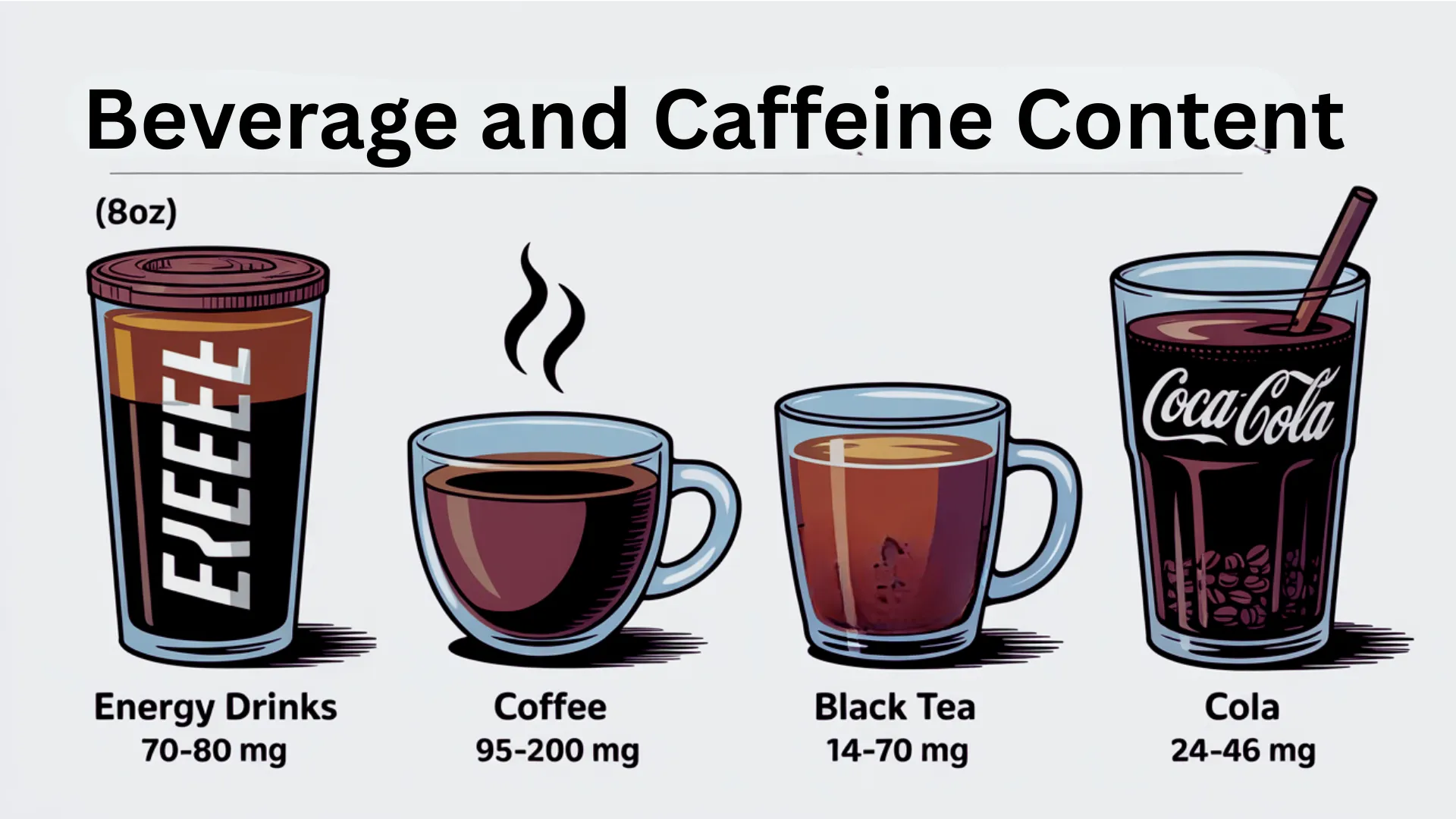
In my experience, energy drinks often contain a concentrated dose of caffeine that can rival or even exceed other common caffeinated beverages. What sets them apart isn’t just the caffeine content but also the combination of stimulants like guarana, taurine, and B-vitamins, which may amplify their overall impact on the body.
Let’s break down the average caffeine content per 8 oz serving:
| Beverage (8 oz) | Caffeine Content |
|---|---|
| Energy Drink | 70-80 mg |
| Coffee | 95-200 mg |
| Black Tea | 14-70 mg |
| Cola | 24-46 mg |
As you can see, coffee generally contains more caffeine per serving than energy drinks, especially depending on the roast and brew method. However, energy drinks often come in larger cans—typically 16 oz or more—which means a single can may deliver 150 mg or more of caffeine, putting it on par with or exceeding a large cup of coffee.
👉 Brew barista-quality espresso anywhere with the 🛒 OutIn Nano Portable Electric Espresso Machine—a self-heating, USB-C powered coffee maker perfect for camping, travel, and on-the-go coffee lovers, compatible with both ground coffee and NS capsules.
Safe Caffeine Consumption Limits
Health experts, including the FDA, suggest that 400 mg of caffeine per day is a safe upper limit for most healthy adults. This typically equates to:
- 4–5 cups of brewed coffee
- 2–3 standard energy drinks
- 5–6 cans of cola
However, individual tolerance to caffeine can vary greatly based on factors like body weight, metabolism, and overall health. Personally, I’ve found that exceeding my own threshold leads to jitters, anxiety, and sleep issues—which defeats the purpose of using caffeine for enhanced focus or energy.
I always recommend listening to your body and pacing your caffeine intake throughout the day. For those sensitive to stimulants or with heart conditions, it may be wise to opt for lower-caffeine alternatives or caffeine-free energy drinks.
Sugar and Artificial Sweeteners
Impact on Metabolic Health
In my experience, regularly consuming high-sugar energy drinks can significantly disrupt metabolic health. Excessive sugar intake leads to a cascade of negative physiological responses that affect everything from blood sugar levels to fat storage.
Here’s a breakdown of the key metabolic effects:
- Insulin resistance: Over time, the body becomes less responsive to insulin, causing blood sugar levels to rise.
- Increased inflammation: Chronic sugar intake contributes to low-grade inflammation, a known trigger for many chronic diseases.
- Elevated blood pressure: Sugar can interfere with the body’s nitric oxide balance, constricting blood vessels and increasing pressure.
- Higher triglyceride levels: Sugar, especially fructose, raises blood fats, which increases the risk of cardiovascular disease.
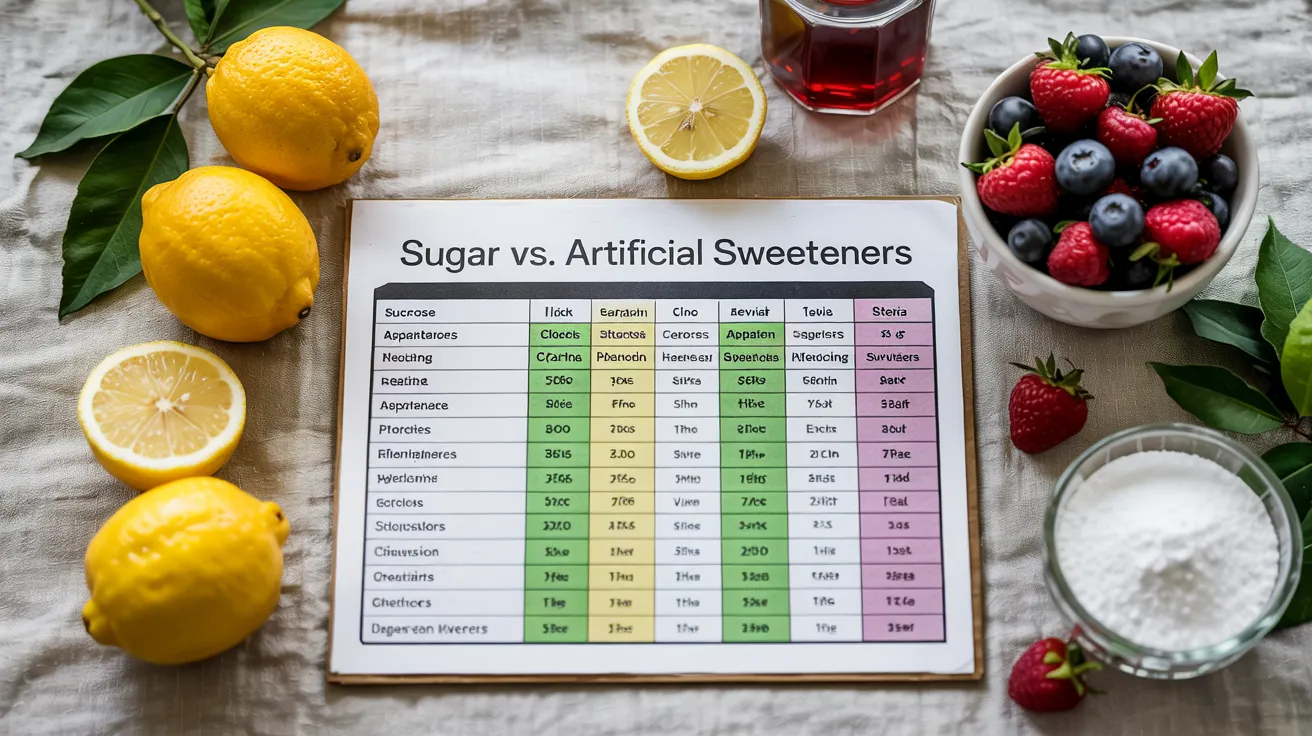
| Metabolic Impact | Sugar | Artificial Sweeteners |
|---|---|---|
| Insulin Response | High | Minimal |
| Calorie Content | High | Low/Zero |
| Gut Impact | Moderate | Potentially Disruptive |
| Long-Term Risk | High | Mixed Evidence |
While artificial sweeteners may seem like a safer alternative due to their low-calorie profile, they are not free from concerns. Some studies suggest they may disrupt gut microbiota and even affect how our bodies process glucose.
Link to Obesity and Diabetes
Through my research and personal experience, I’ve found that there is a strong link between sugar consumption and the development of obesity and type 2 diabetes. High-sugar diets lead to increased fat storage, particularly visceral fat, which surrounds internal organs and contributes to insulin resistance.
Interestingly, even calorie-free artificial sweeteners are under scrutiny. Some research indicates that they may:
- Alter gut bacteria, leading to impaired glucose regulation.
- Increase cravings for sweet foods, undermining weight loss efforts.
- Interfere with insulin sensitivity, despite not raising blood sugar directly.
The takeaway? While energy drinks can offer a quick pick-me-up, their sugar content and metabolic effects may undermine your health in the long run—especially if consumed frequently. Opting for low-sugar or natural alternatives can help you stay energized without compromising metabolic health.
Other Concerning Ingredients
Taurine and its Cardiac Effects
In my exploration of energy drink ingredients, taurine often stands out as one of the most debated. This naturally occurring amino acid plays a role in numerous biological processes, including cardiovascular function, electrolyte balance, and neuromodulation.
While some studies suggest taurine may support heart health, particularly by lowering blood pressure and improving vascular function, the overall research is inconclusive—especially when taurine is consumed in large doses or combined with high levels of caffeine.
| Taurine Effects | Positive | Negative |
|---|---|---|
| Blood Pressure | May lower | Results vary by dosage |
| Heart Rate | Stabilizing effect | Can potentially increase in combination with caffeine |
When combined with caffeine and other stimulants, taurine’s interaction becomes even more complex. Some experts believe the synergistic effects may overstimulate the heart, especially in individuals with pre-existing heart conditions. While taurine alone may offer cardiovascular benefits, its inclusion in energy drinks should be approached cautiously.
Guarana and its Stimulant Properties
Guarana is a powerful plant-based stimulant that’s native to the Amazon and frequently found in energy drinks. It contains naturally occurring caffeine, often in higher concentrations than coffee beans, which contributes to its energizing effects.
The key benefits of guarana include:
- Enhanced alertness
- Boosted mental focus
- Temporary reduction in fatigue
However, there are also notable drawbacks, especially when guarana is consumed in large amounts or stacked with other stimulants:
- Increased heart rate
- Elevated blood pressure
- Jitters and heightened anxiety
- Potential sleep disturbances
Because guarana often appears in ingredient labels under its botanical name (Paullinia cupana), consumers may unknowingly ingest more caffeine than intended—raising the risk of cardiovascular side effects.
In summary, while taurine and guarana may contribute to the performance-boosting effects of energy drinks, they also carry cardiac risks when consumed irresponsibly or in combination with other stimulants. Moderation and informed consumption are key to reaping benefits without harming heart health.
High-Risk Groups
Children and Adolescents
In my experience, children and adolescents are particularly sensitive to the stimulants found in energy drinks. Their developing bodies and immature cardiovascular systems can’t metabolize caffeine and other active ingredients as efficiently as adults. Even small amounts can lead to pronounced and potentially harmful effects.
- Common health concerns in young individuals include:
- Increased heart rate
- Higher blood pressure
- Sleep disturbances
- Elevated anxiety levels
- Poor academic focus
- Research has shown that energy drink consumption among adolescents is linked to behavioral issues, mood swings, and an increased likelihood of developing caffeine dependence. For growing bodies, the risks far outweigh any temporary energy boost. Parents and educators should remain vigilant about how these drinks are marketed to young audiences.
Individuals with Pre-Existing Heart Conditions
If you have a pre-existing heart condition, energy drinks should be consumed with extreme caution—or ideally, avoided altogether. The high caffeine content, along with ingredients like taurine and guarana, can amplify existing cardiovascular issues.
| Condition | Potential Risk |
|---|---|
| Arrhythmia | Irregular or dangerously fast heartbeat |
| Hypertension | Sudden blood pressure spikes |
| Heart disease | Increased cardiac workload and stress |
Even in healthy adults, these beverages can elevate heart rate and blood pressure, but for those with underlying cardiovascular problems, the effects can be significantly more severe—sometimes resulting in hospitalization or medical emergencies.
I always recommend speaking with a healthcare provider before consuming energy drinks if you have any cardiac history or symptoms like palpitations, chest discomfort, or high blood pressure.
Moderation and Alternatives: Choosing Smarter Energy Sources
Guidelines for Safe Consumption
As someone who enjoys the occasional energy drink, I always emphasize the importance of moderation. Overconsumption of caffeine and other stimulants can lead to jitteriness, insomnia, elevated blood pressure, and even heart palpitations. I recommend limiting energy drink intake to no more than one 16-ounce can per day. It’s also critical to read the label for hidden stimulants and total caffeine levels.
Here’s a general guide to caffeine consumption:
| Consumption Level | Caffeine Intake | Safety Rating |
|---|---|---|
| Safe | Up to 400mg | Low risk |
| Moderate | 400-600mg | Caution advised |
| Excessive | Over 600mg | High risk |
Healthier Energy-Boosting Options
Instead of relying solely on commercial energy drinks, I’ve found that natural alternatives offer a cleaner, more sustainable boost. My top choices include:
- Green tea – A mild source of caffeine and antioxidants
- Herbal teas – Ginseng and peppermint can naturally invigorate
- Fresh fruit smoothies – Packed with nutrients and slow-burning carbs
- Water with lemon – Simple hydration and a refreshing kick
These options avoid the sugar crashes, caffeine dependency, and additive overload often associated with energy drinks—making them excellent daily choices for both mental clarity and physical vitality.
Energy to Live, Not Risk
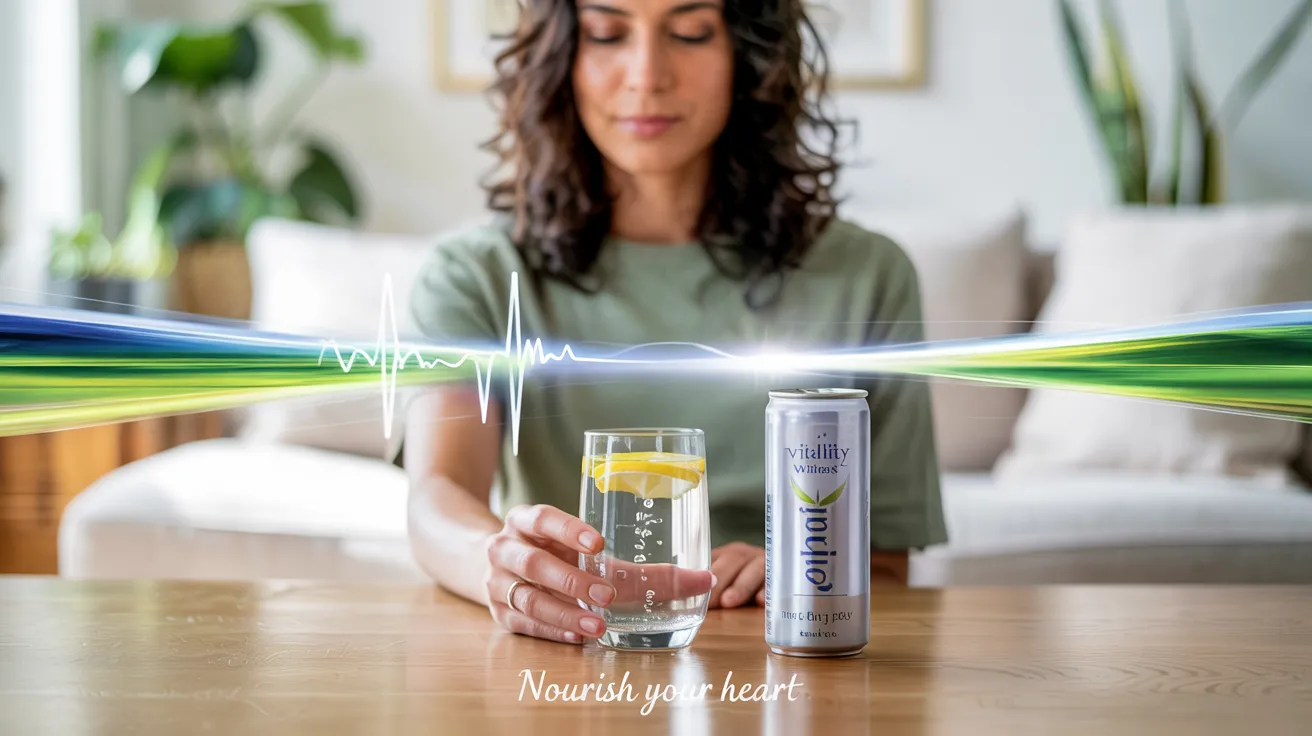
After diving deep into the world of energy drinks and heart health, it’s clear that while these beverages can offer a temporary performance boost, they often come at a significant cost to your cardiovascular system. With high caffeine levels, excessive sugars or artificial sweeteners, and other stimulating compounds like taurine and guarana, these drinks may elevate your heart rate, blood pressure, and increase the risk of arrhythmias or more serious heart complications over time.
👉 Boost your energy naturally with 🛒 CLEAN Cause Zero Sugar Yerba Mate – 160mg caffeine, keto-friendly, and packed with organic goodness!
This is particularly true for high-risk groups—including teens, young adults, and those with pre-existing heart conditions—who should approach energy drink consumption with caution. But that doesn’t mean you have to give up on feeling energized.
Rather than relying solely on artificial stimulants, I encourage a shift toward sustainable energy sources like green tea, balanced nutrition, hydration, and adequate sleep. These not only support your energy levels but also promote long-term health and focus.
Ultimately, your well-being and heart health should never be compromised for a short-term buzz. Stay informed, stay mindful, and choose energy that supports your life—not risks it.
📌 Related Read: Best Energy Drinks for Focus and Productivity in 2025
Join the Conversation!
Drop your thoughts in the comments below and let’s chat about all things beverage!
Frequently Asked Questions (FAQ)
Yes, excessive consumption of energy drinks may increase heart rate, blood pressure, and the risk of arrhythmias, especially in sensitive individuals.
Most experts recommend no more than 400mg of caffeine per day for healthy adults. Exceeding this can cause cardiovascular stress and palpitations.
Artificial sweeteners in sugar-free drinks may still pose metabolic risks and could indirectly affect cardiovascular function, though more studies are needed.
Yes, options like green tea, herbal infusions, smoothies, and fruit water offer a gentler, safer energy boost without excessive stimulants.
Children, teens, and individuals with pre-existing heart conditions or high blood pressure should avoid energy drinks entirely or consult a doctor first.


