
I’ve always been fascinated by the world of beer, but I’ll admit, it can be a bit overwhelming. With countless varieties lining the shelves of our local stores and bars, it’s easy to feel lost in a sea of unfamiliar names and styles. But here’s the thing: understanding beer doesn’t have to be complicated. In fact, most beers fall into two main categories: ales and lagers.
⚠️ Alcohol Content Disclaimer: GetUrDrinkOn.com features content related to alcoholic beverages and mixology. All content is intended for informational and entertainment purposes only. We do not sell alcohol or promote underage or irresponsible drinking. This site is intended for adults aged—21 and over in the United States, and 18 and over in most other countries. Please drink responsibly. If you or someone you know is struggling with alcohol use, please seek professional help.
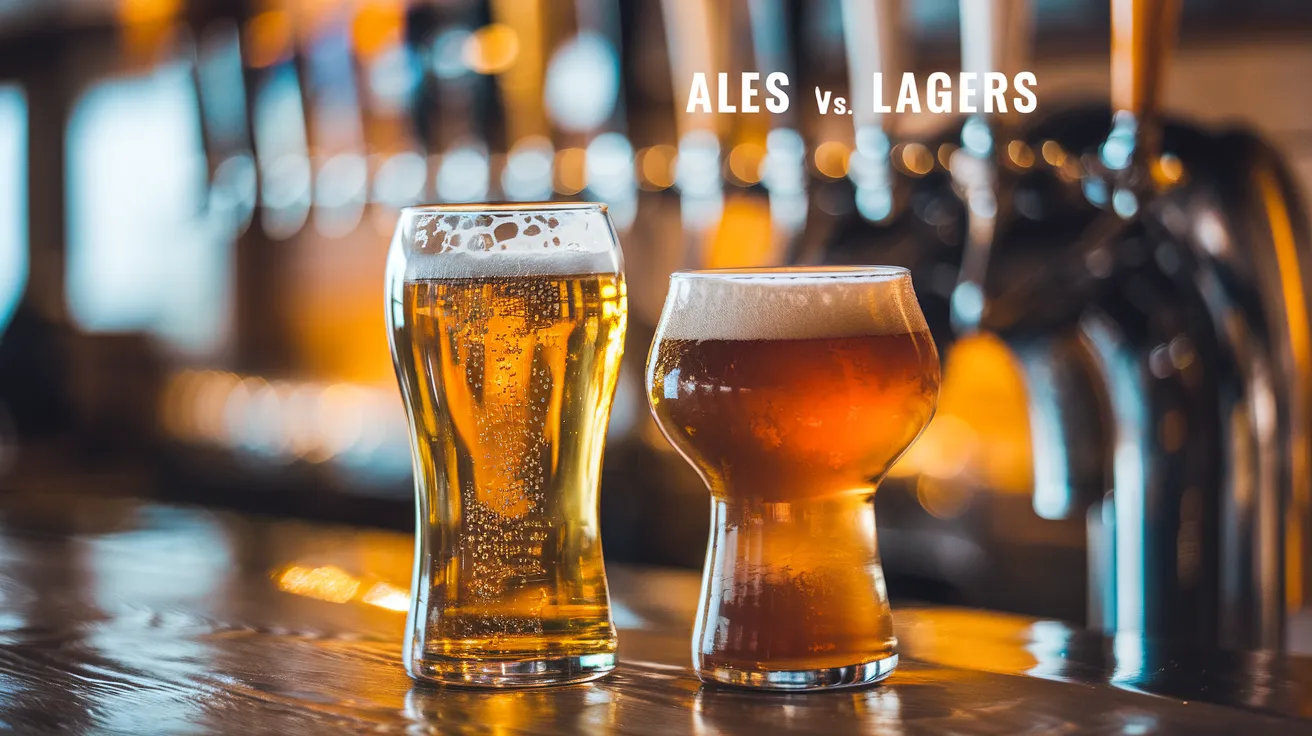
As a self-proclaimed beer enthusiast (okay, maybe just a curious drinker), I’ve made it my mission to unravel the mystery behind these two fundamental types of beer. Trust me, once you grasp the difference between ales and lagers, you’ll feel like a bonafide beer connoisseur at your next social gathering. Plus, it’ll make choosing your next pint a whole lot more fun and informed!
👉 Upgrade your home whiskey setup with the sleek and functional 🛒 Zarler Bar Cart Bar Table with LED lighting, power outlet, and 4-tier liquor storage—perfect for any modern home bar.
In this blog post, we’ll dive deep into the world of ales and lagers. We’ll explore their origins, brewing techniques, and unique characteristics. From the basics of beer classification to the craft beer revolution, I’ll guide you through everything you need to know to appreciate the nuances of these two beer titans. So grab your favorite brew, and let’s embark on this hoppy adventure together!
The Basics of Beer Classification
Defining ales and lagers
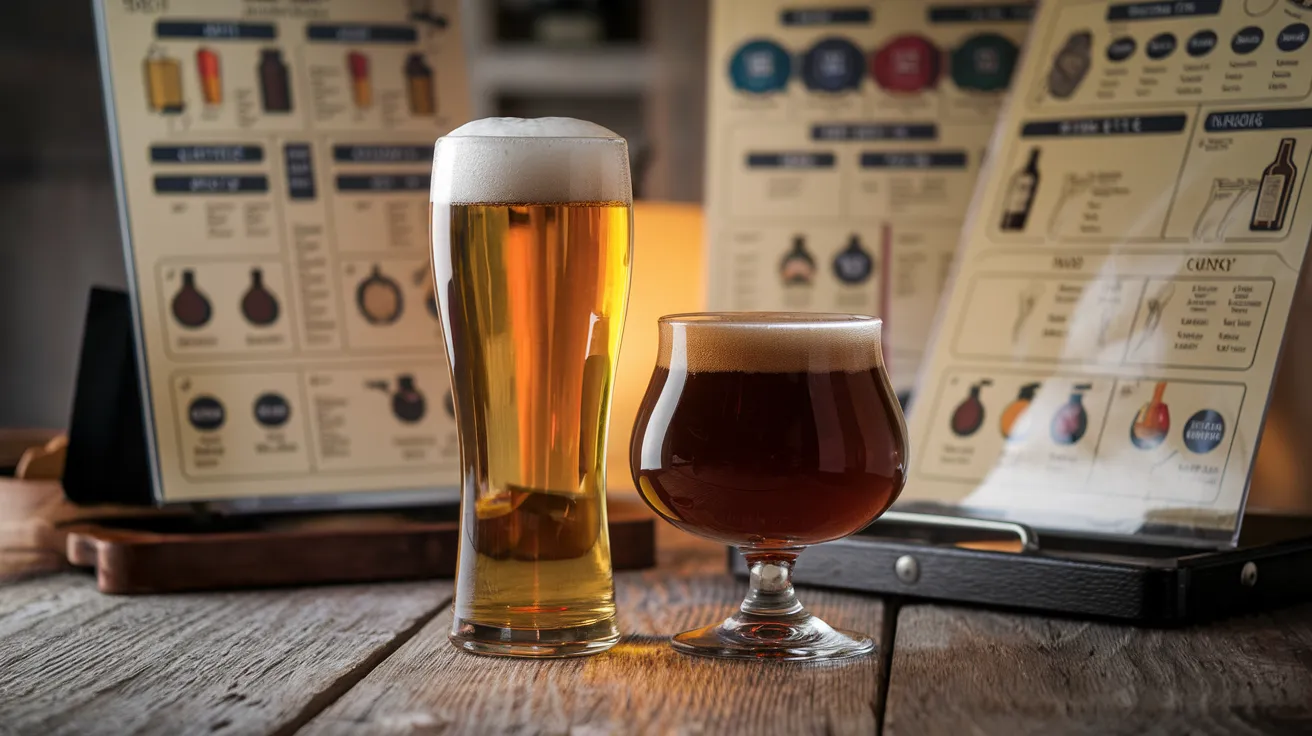
As a beer enthusiast, I can tell you that the world of beer is fascinating and diverse. At its core, beer classification boils down to two main types: ales and lagers. Let me break it down for you.
Ales are the oldest form of beer, with a rich history dating back thousands of years. They’re known for their robust flavors and complex profiles. On the other hand, lagers are relatively newer, emerging in the 19th century, and are celebrated for their crisp, clean taste.
Here’s a quick comparison of ales and lagers:
| Characteristic | Ales | Lagers |
|---|---|---|
| Yeast Type | Top-fermenting | Bottom-fermenting |
| Flavor Profile | Complex, fruity | Clean, crisp |
| Brewing Time | Shorter | Longer |
| Serving Temp | Warmer | Colder |
Key differences in brewing processes
The main distinction between ales and lagers lies in their brewing processes. I’ve found that understanding these differences can greatly enhance your appreciation of beer.
For ales, I use top-fermenting yeast strains that work their magic at the top of the fermentation tank. This process typically occurs at warmer temperatures, ranging from 60°F to 75°F (15°C to 24°C). The yeast in ales tends to produce more esters, which contribute to the beer’s fruity flavors and aromas.
When brewing lagers, they employ bottom-fermenting yeast strains. These yeasts work at the bottom of the fermentation tank at cooler temperatures, usually between 45°F to 55°F (7°C to 13°C). This slower, cooler fermentation results in the clean, crisp taste that lagers are known for.
Fermentation Temperatures and Durations
Fermentation is the heart of the brewing process, where yeast transforms sugars into alcohol and carbon dioxide, creating the beer’s body, aroma, and alcohol content. Both temperature and duration are crucial factors that influence the final flavor, clarity, and mouthfeel of the beer. Understanding how these variables differ between ales and lagers offers insight into their distinct profiles.
Ales: Warmer & Faster Fermentation
- Temperature Range: 60°F to 75°F (15°C to 24°C)
- Fermentation Duration: 1 to 3 weeks
- Yeast Type: Top-fermenting (Saccharomyces cerevisiae)
The warmer fermentation environment for ales activates the yeast more quickly, allowing the beer to develop fruity esters and spicy phenols. This rapid fermentation results in beers with robust flavors, higher alcohol levels, and shorter turnaround times for brewers. Popular ale styles include IPAs, stouts, porters, and Belgian ales—each known for their complex, expressive character.
Lagers: Cooler & Slower Fermentation
- Temperature Range: 45°F to 55°F (7°C to 13°C)
- Fermentation Duration: 4 to 8 weeks (including lagering/maturation)
- Yeast Type: Bottom-fermenting (Saccharomyces pastorianus)
Lagers undergo cooler, slower fermentation, which encourages cleaner flavors and minimizes byproducts like esters and fusel alcohols. The extended fermentation and cold conditioning (lagering) smooth out the beer, resulting in a crisp, light-bodied, and refreshingly clean finish. Popular lager styles include Pilsners, Helles, Dunkels, and Bocks.
Key Differences at a Glance:
| Characteristic | Ales | Lagers |
|---|---|---|
| Yeast Fermentation | Top | Bottom |
| Temperature Range | 60–75°F (15–24°C) | 45–55°F (7–13°C) |
| Fermentation Time | 1–3 weeks | 4–8 weeks (or longer) |
| Flavor Profile | Fruity, bold | Crisp, clean |
Whether you’re enjoying the bold depth of an ale or the refined smoothness of a lager, it all starts with fermentation. Now that we’ve laid the groundwork, let’s explore ales in more detail—starting with their rich history and stylistic diversity.
Ales: The Oldest Form of Beer
Types of Ale Beers
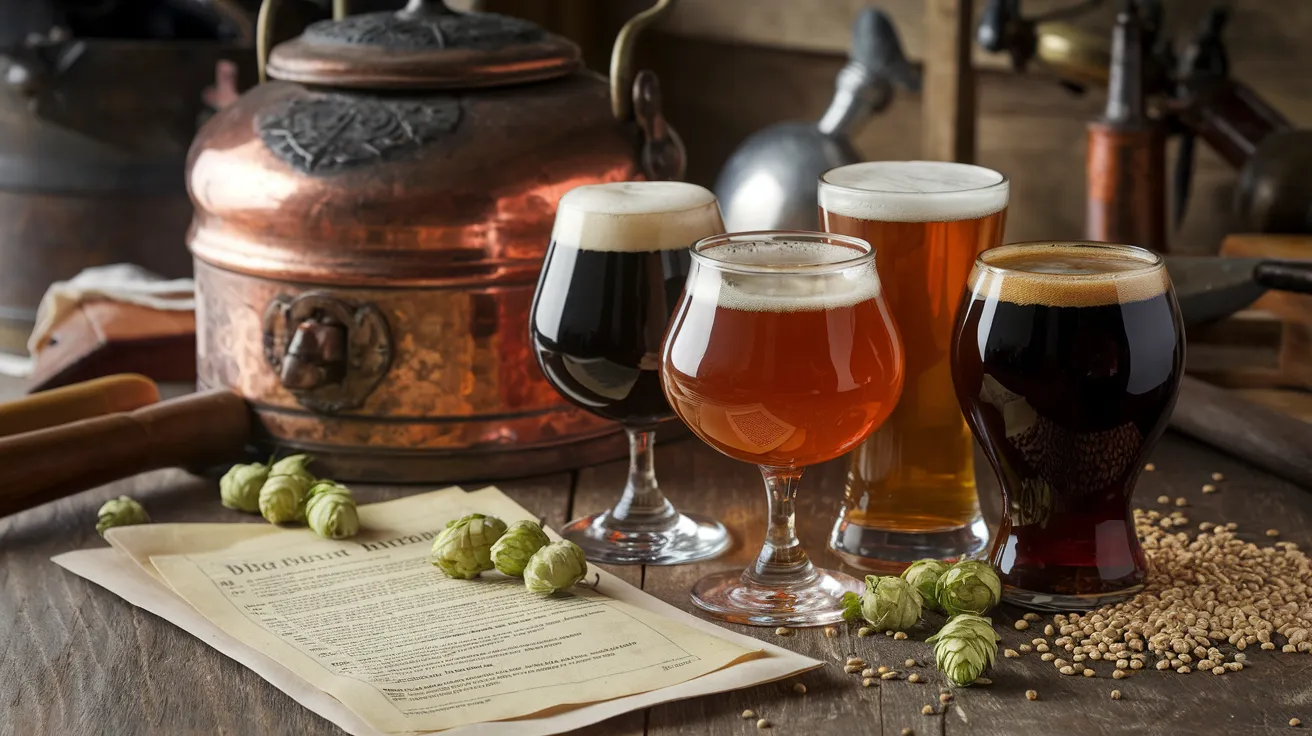
As a passionate beer enthusiast, I’ve explored a vast array of ale beer styles over the years. Ales are known for their warm fermentation, bold aromas, and diverse flavor profiles that cater to every palate—from hop heads to lovers of sweet, dark brews. Let’s dive into the most popular types of ales and what makes them stand out.
Popular Ale Types
| Ale Type | Flavor Profile | Aroma | Color |
|---|---|---|---|
| India Pale Ale (IPA) | Bold, bitter, hoppy | Citrus, floral, pine | Golden to deep amber |
| Pale Ale | Balanced, malty, lightly bitter | Fruity, earthy | Pale amber |
| Stout | Roasty, smooth, chocolatey | Coffee, cocoa | Dark brown to black |
| Porter | Slightly sweeter than stout | Caramel, toffee | Deep brown |
| Brown Ale | Nutty, caramel, slightly sweet | Toasty, nutty | Copper to dark brown |
| Belgian Ale | Fruity, spicy, often boozy | Banana, clove, bubblegum | Golden to deep amber |
| Wheat Beer | Crisp, tangy, refreshing | Clove, banana, citrus | Pale straw to hazy gold |
Each style offers a unique sensory experience, and many breweries continue to innovate within these categories, adding twists with hops, spices, and fruits.
Popular Ale Styles Worldwide
Different parts of the world have their signature ale styles, shaped by tradition, ingredients, and local taste preferences:
- United Kingdom: Home to bitters, milds, and extra special bitters (ESBs)—traditional ales with moderate alcohol, earthy hops, and caramel malts.
- Belgium: Famous for Trappist ales, dubbel, tripel, and lambics. These are often brewed by monks and feature wild fermentation, creating complex, fruity, spicy, and sometimes sour profiles.
- United States: Known for its craft beer revolution, especially American IPAs, imperial stouts, and sour ales. The innovation here is endless—expect intense hop flavors and bold experimental styles.
- Germany: While lagers dominate, you’ll find excellent hefeweizens and altbiers, both top-fermented ales with regional distinction.
Food Pairings for Ales
Ales are incredibly versatile with food, and I’ve personally found these pairings to bring out the best in both beer and cuisine:
- IPAs: Excellent with spicy foods like Indian curries or Mexican tacos. The bitterness balances heat.
- Stouts: Perfect with rich desserts like chocolate cake or savory dishes like grilled oysters and beef stew.
- Belgian Ales: Go wonderfully with aged cheeses, mussels, or duck confit.
- Wheat Beers: Refreshing with seafood, salads, or grilled chicken.
Lagers: The Crisp and Clean Beer

Common Lager Varieties
As a devoted beer enthusiast, I’ve had the pleasure of sampling countless lager beer styles from breweries around the world. Unlike ales, lagers are brewed with bottom-fermenting yeast at cooler temperatures, resulting in a clean, crisp taste that’s won over millions globally. Let’s explore some of the most popular lager varieties I’ve encountered on my beer-tasting journey.
Popular Lager Styles
| Lager Type | Taste Profile | Aroma Characteristics | Color |
|---|---|---|---|
| Pilsner | Crisp, light-bodied, bitter | Floral, grassy, hoppy | Pale straw to golden |
| Helles | Smooth, lightly malty | Bready, slightly sweet | Pale gold |
| Bock | Strong, full-bodied, malty | Toasted caramel, slight spice | Deep amber to brown |
| Dunkel | Rich, roasty, and smooth | Chocolate, nutty, bread crust | Dark brown |
| Vienna Lager | Balanced, biscuity, toasty | Nutty, toffee, clean malt | Amber to reddish brown |
Each lager style has a distinct personality, shaped by ingredients, brewing methods, and regional heritage. From the bitter snap of a German Pilsner to the caramel depth of a Dunkel, there’s a lager for every palate and occasion.
Global Popularity of Lagers
It’s no secret that lagers dominate the global beer market. Whether I’m enjoying a cold one in Europe, the Americas, or Asia, lager beers consistently rank among the most consumed beverages worldwide. Here’s why:
- Easy drinkability – Their light, refreshing profile makes them ideal for casual sipping.
- Consistent quality – Lagers undergo meticulous brewing processes, offering uniform flavor across batches.
- Wide appeal – Their balanced character makes them perfect for both seasoned beer drinkers and newcomers.
- Food-friendly – Lagers pair effortlessly with a range of cuisines, enhancing the dining experience.
- Mass production – Lagers scale well, making them accessible and affordable globally.
From global giants like Heineken, Budweiser, and Tsingtao to regional craft brewers, lagers have a universal footprint.
Best Food Pairings for Lager Styles
Lagers are versatile companions at the table, and pairing them with the right foods can elevate both the beer and the meal. Here are my favorite combinations:
- Vienna Lager: Try it with charcuterie, Mexican street tacos, or barbecue pork—its toasty finish balances spicy or smoky flavors.
- Pilsner: Great with spicy Asian dishes, fried calamari, or a fresh garden salad—the bitterness cuts through heat and oil beautifully.
- Helles: Matches well with grilled chicken, white fish, or soft pretzels, complementing mild, savory flavors.
- Bock: Pairs wonderfully with beef stew, lamb, or mushroom risotto, thanks to its richness and malty warmth.
- Dunkel: Excellent alongside smoked sausages, roast pork, or grilled mushrooms, enhancing the earthy, roasted notes.
Brewing Techniques and Ingredients
As someone passionate about crafting quality beer, I’ve learned that every detail matters—from the yeast strain to the mineral profile of the water. These components shape the flavor, aroma, body, and finish of both ales and lagers, giving each style its unique personality.

Yeast Strains Used in Ales vs. Lagers
When I brew beer, yeast selection is one of the most critical decisions I make. Yeast not only converts sugars into alcohol and CO₂—it also produces distinctive flavor compounds that define a beer’s character.
Ale Yeasts
I often opt for top-fermenting yeasts like Saccharomyces cerevisiae when brewing ales. These strains work best at warmer temperatures (60–75°F / 15–24°C) and tend to ferment faster, producing:
- Fruity esters (banana, apple, pear)
- Spicy phenols (clove, pepper in some strains)
- Fuller, more complex flavor profiles
Lager Yeasts
For lagers, I rely on bottom-fermenting yeasts like Saccharomyces pastorianus. These yeasts thrive at cooler temperatures (45–55°F / 7–13°C) and ferment more slowly, creating:
- Clean, crisp finishes
- Fewer esters
- Smooth, balanced profiles
| Characteristic | Ale Yeast (S. cerevisiae) | Lager Yeast (S. pastorianus) |
|---|---|---|
| Fermentation Temp | 60–75°F (15–24°C) | 45–55°F (7–13°C) |
| Fermentation Speed | Faster | Slower |
| Flavor Profile | Fruity, complex | Crisp, clean |
| Common Styles | IPA, Stout, Wheat Beer | Pilsner, Bock, Helles |
Impact of Hops on Flavor
Hops are the backbone of bitterness and aroma in my brewing. They balance the sweetness of the malt and contribute to a beer’s shelf stability.
- In ales, I tend to use aromatic and flavor-forward hops like Citra, Amarillo, or Simcoe. I often add them late in the boil or use dry hopping techniques for bold, citrusy, piney, or floral notes.
- In lagers, I prefer noble hops like Saaz, Hallertau, or Tettnang, and I use them more conservatively. I typically add hops early in the boil for subtle bitterness that lets the malt and yeast character shine through.
This strategic use of hops enhances each beer style’s signature balance.
Malt Selection and Its Effects
Malt is the soul of the beer, providing fermentable sugars, body, color, and flavor. I build my grain bills thoughtfully:
- Base malts (like Pilsner, Pale, or Munich): These form the majority of the mash and provide essential sugars for fermentation.
- Specialty malts (like Crystal, Chocolate, or Vienna): Used in smaller amounts, these add toffee, caramel, coffee, or roasted notes along with deeper hues.
- Adjuncts (like corn or rice): I sometimes use these in lagers for a lighter body and cleaner finish, especially in American or Japanese-style lagers.
The balance of malts determines whether a beer leans sweet and rich or dry and crisp.
Water Quality Considerations
I’ve come to appreciate how water chemistry can make or break a brew. Since beer is over 90% water, I always consider:
- Mineral content (especially calcium, magnesium, and sulfates)
- pH levels, particularly in the mash, which affect enzyme activity and flavor extraction
- Water treatment—Sometimes I use reverse osmosis water and re-mineralize it based on the style I’m brewing (e.g., soft water for Pilsners, harder water for IPAs)
Famous brewing cities like Plzeň, Burton-on-Trent, and Munich owe their legendary beer styles to their unique water profiles.
The Art of Tasting and Appreciation

Proper serving temperatures
When it comes to fully enjoying the nuances of ales and lagers, serving temperature plays a crucial role. I’ve found that the right temperature can make or break the beer-drinking experience. Here’s a quick guide to optimal serving temperatures:
| Beer Type | Ideal Temperature Range |
|---|---|
| Light Lagers | 38-45°F (3-7°C) |
| Pale Ales | 45-50°F (7-10°C) |
| Strong Ales | 50-55°F (10-13°C) |
| Stouts | 55-60°F (13-16°C) |
Glassware selection for each type
Choosing the right glass can enhance the aroma and flavor of your beer. I always match my glassware to the beer style:
- Pilsner glasses for crisp lagers
- Tulip glasses for aromatic ales
- Steins for robust German lagers
- Snifters for strong ales and barleywines
Evaluating appearance, aroma, and taste
When I taste beer, I follow these steps:
- Look: Observe color, clarity, and head retention
- Smell: Note the aroma profile (hoppy, malty, fruity, etc.)
- Taste: Analyze flavors, mouthfeel, and aftertaste
Developing a refined palate
To refine my beer palate, I…:
- Try a wide variety of styles
- Take notes during tastings
- Attend beer festivals and tastings
- Learn about brewing ingredients and processes
By following these practices, I’ve deepened my appreciation for the complexities of both ales and lagers. Now, let’s explore how the craft beer revolution has impacted these two main types of beer.
Craft Beer Revolution: Ales vs. Lagers
Trends in microbreweries
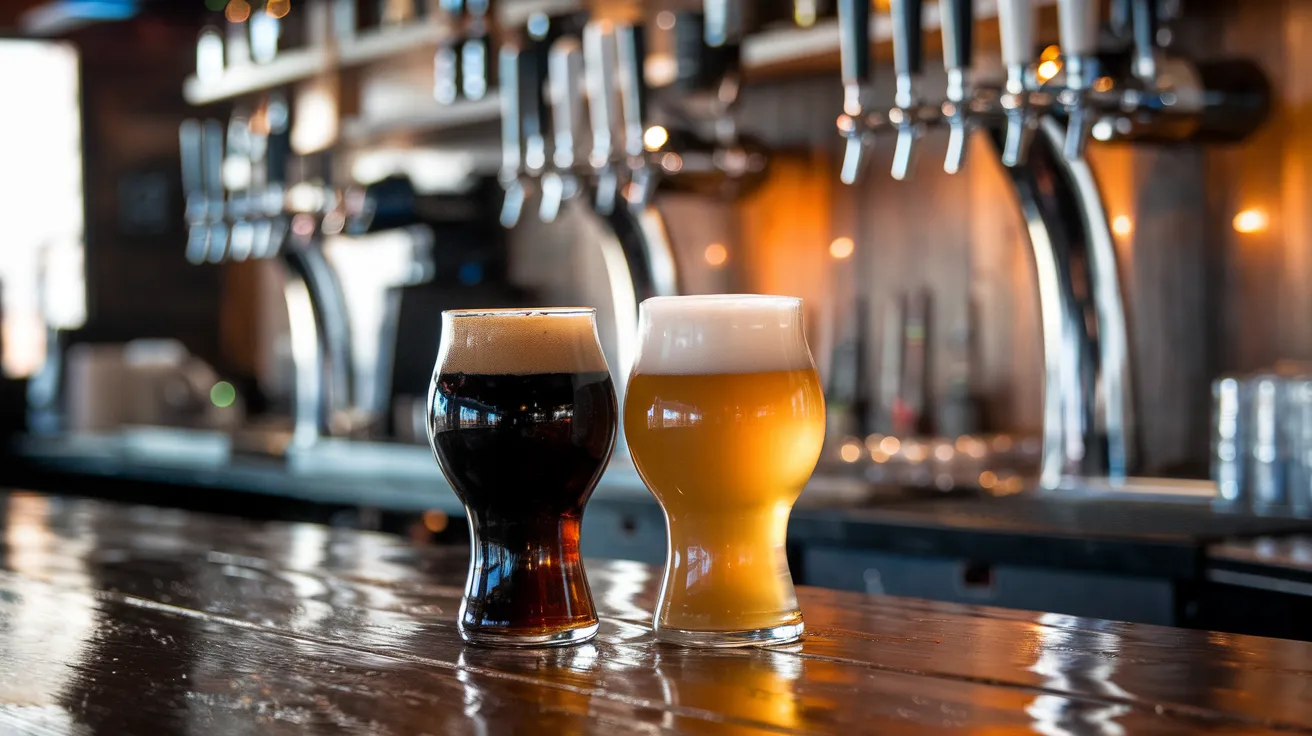
As a craft beer enthusiast and home brewer, I’ve witnessed firsthand the explosion of microbreweries across the country. These small-scale operations have become the heart of the craft beer revolution, pushing the boundaries of traditional brewing and introducing exciting new flavors to beer lovers everywhere.
In recent years, I’ve noticed a significant shift in consumer preferences towards locally produced, artisanal beers. This trend has led to a surge in the number of microbreweries, each carving out its own niche in the market. Here’s a breakdown of some key trends I’ve observed:
- Hyperlocal focus: Many microbreweries are emphasizing locally sourced ingredients and regional flavors
- Experimental batches: Small-scale production allows for more experimentation with unique ingredients and styles
- Taproom experiences: Breweries are creating inviting spaces for customers to enjoy fresh beer straight from the source
- Collaboration brews: Partnerships between breweries are becoming more common, resulting in innovative limited-edition beers
Innovative brewing techniques
In my brewing adventures, I’ve come across some fascinating innovations that are reshaping the beer landscape. These techniques are allowing brewers to create unique flavors and push the boundaries of traditional beer styles:
- Barrel aging: Aging beer in wooden barrels previously used for spirits or wine
- Dry hopping: Adding hops after fermentation for enhanced aroma without increasing bitterness
- Wild fermentation: Using wild yeast strains for complex, funky flavors
- Nitro infusion: Infusing beer with nitrogen for a creamy texture and smooth mouthfeel
| Technique | Effect on Beer | Popular Examples |
|---|---|---|
| Barrel aging | Adds depth and complexity | Bourbon barrel-aged stouts |
| Dry hopping | Enhances hop aroma | New England IPAs |
| Wild fermentation | Creates tart, funky flavors | Lambics and sour ales |
| Nitro infusion | Produces a creamy texture | Nitro stouts and cream ales |
Fusion styles blending ale and lager characteristics
One of the most exciting developments I’ve seen in the craft beer world is the emergence of hybrid styles that blur the lines between ales and lagers. These innovative brews combine characteristics from both traditions, resulting in unique and delicious beers that challenge our perceptions of what beer can be.
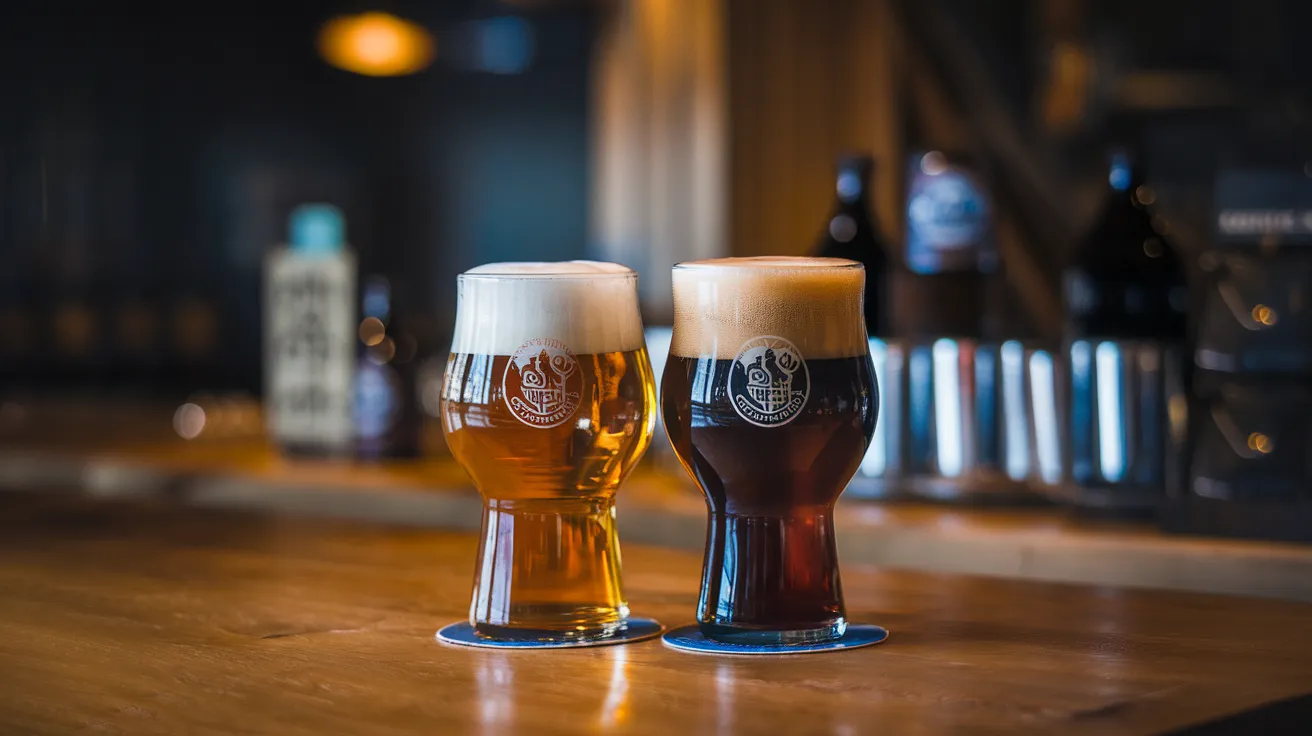
Throughout this exploration of ales and lagers, I’ve delved into the fascinating world of beer classification, brewing techniques, and the distinctive characteristics that set these two main types apart. From the rich history of ales to the crisp clarity of lagers, I’ve uncovered the unique qualities that make each style special. The craft beer revolution has further expanded our appreciation for both types, showcasing the versatility and creativity possible within these categories.
Brewing Up a Final Thought
As I reflect on this flavorful journey through the world of beer, I’m reminded that when it comes to choosing between ales and lagers, there’s no universal “best” – only what suits your taste and the moment. From the bold, complex flavors of an IPA or stout to the crisp, clean finish of a pilsner or helles, every style has its place in the beer lover’s experience.
Whether you’re a seasoned beer enthusiast or just beginning your adventure into hops, malt, and yeast, I encourage you to embrace the diversity of beer styles. Explore new brews with curiosity. Sip mindfully. Compare the subtle esters of a Belgian ale with the lager’s refreshing balance. Let every pour be a story—of tradition, innovation, and the craft of brewing.
By learning about fermentation techniques, yeast strains, hop profiles, and global styles, you not only expand your palate—you gain a new appreciation for the artistry and science behind every pint.
👉 Master your craft with 🛒 The Art of Mixology: Classic Cocktails and Curious Concoctions—a beautifully illustrated cocktail recipe book perfect for home bartenders and mixology enthusiasts.
So next time you raise your glass—be it a hazy New England IPA, a caramel-sweet dunkel, or a bright golden pilsner—take a moment to savor more than the taste. Savor the history, the craftsmanship, and the global culture that beer represents.
Cheers to beer’s endless variety and the community it brings together. May your beer adventures always be full of discovery and good company.
📌 More Read: Brandy vs. Cognac: What’s the Difference? | A Complete Guide
Join the Conversation!
Drop your thoughts in the comments below and let’s chat about all things beverage!
Frequently Asked Questions (FAQ)
The main difference lies in the yeast and fermentation process. Ales use top-fermenting yeast at warmer temperatures, producing fruity, complex flavors. Lagers use bottom-fermenting yeast at cooler temperatures, resulting in clean, crisp tastes.
Not always, but ales tend to have a higher alcohol content due to the warmer fermentation process. However, strength depends on the specific beer style and recipe.
Common ales include IPAs, stouts, porters, pale ales, Belgian ales, and wheat beers. Each offers distinct flavors, aromas, and color profiles.
Popular lager styles include pilsner, helles, bock, dunkel, and Vienna lager. These beers are known for their refreshing, smooth qualities.
Ales pair well with bold and rich foods. For example, IPAs go well with spicy dishes, stouts with chocolate desserts, and Belgian ales with cheeses.
Lagers pair well with lighter fare like grilled chicken, seafood, and spicy Asian cuisine. Their crisp taste balances flavorful dishes.
Yes! Both can be brewed at home, though ales are often easier for beginners due to the simpler temperature requirements of top fermentation.
Not at all—it depends on personal preference. Ales offer complex and bold flavors, while lagers are smoother and more refreshing.


