
The quest for hydration has led many to explore alternatives to plain water, with flavored water emerging as a popular choice. As consumers become more health-conscious, the debate surrounding the health benefits of flavored water has intensified. Now the question emerges, ‘is flavored water healthy?’
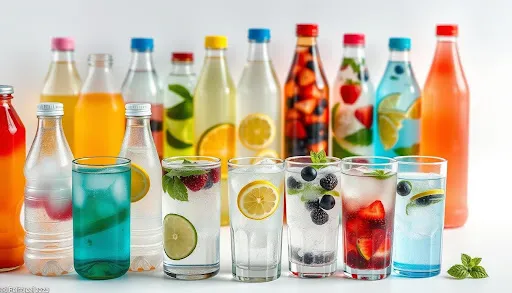
Proponents of flavored water argue that it can make healthy drinks more appealing, encouraging people to drink more throughout the day. However, others raise concerns about the potential additives and sweeteners found in some flavored waters.
As we explore the world of flavored water, it’s essential to examine its ingredients, benefits, and potential drawbacks to determine whether it’s a healthy choice or not.
👉 Elevate your hydration game with the 🛒 Ninja Thirsti Drink System – a powerful soda maker that lets you personalize your sparkling & still drinks with adjustable size, flavor, and carbonation! 🥤✨ Includes a 60L CO2 cylinder & flavored water drops for ultimate refreshment.
Key Takeaways
- Flavored water can be a tasty way to stay hydrated.
- Some flavored waters contain additives and sweeteners.
- Choosing flavored water with natural ingredients is crucial.
- Always check the label for nutritional information.
- Moderation is key when consuming flavored water.
What Is Flavored Water?
Flavored water has become a staple in many consumers’ diets, but what exactly is it? Flavored water is a type of beverage that combines the simplicity of water with the added taste of natural or artificial flavors.
Definition and Types
Flavored water is defined as water that has been enhanced with flavorings, which can be derived from natural sources like fruits, herbs, or spices, or created artificially. The types of flavored water vary widely, including:
- Infused water with fruits or herbs
- Water flavored with essences or extracts
- Sparkling flavored water
- Flavored water with added vitamins or minerals
These variations cater to different tastes and preferences, making flavored water a versatile beverage option.
Market Growth and Popularity
The market trends indicate a significant growth in the flavored water segment. Consumers are increasingly seeking healthier alternatives to sugary drinks, and flavored water fits this demand perfectly. According to market research, the flavored water market has seen a substantial increase in sales over the past few years.
| Year | Market Size | Growth Rate |
|---|---|---|
| 2020 | $1.2 billion | 10% |
| 2021 | $1.4 billion | 12% |
| 2022 | $1.7 billion | 15% |
This growth is expected to continue as consumers become more health-conscious and manufacturers innovate with new flavors and products.
The Rise of Flavored Water in American Culture
The rise of flavored water in American culture is a fascinating story of consumer preferences and marketing strategies. Flavored water has become a staple in many American households, reflecting a broader shift towards healthier beverage options.
From Soda Alternative to Lifestyle Choice
Initially, flavored water was seen as an alternative to soda, offering a similar taste experience without the high sugar content. However, it has evolved into a lifestyle choice, with consumers appreciating its versatility and health benefits. Brands like LaCroix and Spindrift have been at the forefront of this transition, offering a range of flavors that cater to diverse consumer preferences.
Marketing and Consumer Trends
Effective marketing strategies have played a crucial role in the popularity of flavored water. Brands have leveraged social media, influencer partnerships, and eco-friendly packaging to appeal to environmentally conscious and health-oriented consumers. The table below highlights some key consumer trends influencing the flavored water market.
| Trend | Description | Impact on Flavored Water |
|---|---|---|
| Health Consciousness | Consumers seeking low-calorie, nutrient-rich beverages | Increased demand for unsweetened and vitamin-enhanced flavored waters |
| Eco-Friendliness | Preference for sustainable packaging | Rise of brands using recyclable materials and minimal packaging |
| Social Media Influence | Influencers promoting flavored water on social platforms | Increased brand visibility and consumer engagement |
Nutritional Profile of Flavored Waters
As consumers turn to flavored water for hydration, it’s essential to examine its nutritional profile. Flavored waters have become increasingly popular as a potentially healthier alternative to soda and other sugary drinks. However, their nutritional content can vary significantly depending on the brand and type.
Calorie Content
The calorie content in flavored waters can range from zero to several hundred calories per serving. Unsweetened and unflavored varieties typically contain zero calories, making them an excellent choice for those watching their calorie intake. On the other hand, flavored waters with added sweeteners or sugars can contain a significant number of calories.
Sugar and Sweeteners
One of the primary concerns with flavored water is its sugar content. Some flavored waters contain natural sugars, while others may include artificial sweeteners. It’s crucial to read the labels carefully, as some products may contain high fructose corn syrup or other sweeteners that consumers might want to avoid.
According to a registered dietitian, “Choosing flavored water with natural sweeteners like stevia or monk fruit can be a better option for those looking to reduce their sugar intake.” A study also found that consuming artificially sweetened beverages can lead to changes in gut microbiota, potentially affecting overall health.
Vitamins and Minerals
Some flavored waters are fortified with vitamins and minerals, enhancing their nutritional profile. These can include vitamin C, B vitamins, and electrolytes like potassium. While these additions can make flavored water a more nutritious choice, it’s also important to be mindful of the amounts to avoid excessive intake of certain nutrients.
For instance, a flavored water brand might be enriched with vitamin C, providing a boost to the immune system. However, as with any nutrient, too much can be counterproductive. Consumers should be aware of their overall dietary intake to ensure they’re not exceeding recommended daily values.
Common Ingredients in Flavored Water
Understanding the common ingredients in flavored water is crucial for making informed choices. Flavored water can contain a variety of ingredients, ranging from natural flavors to artificial additives. The composition of these ingredients can significantly impact the nutritional value and healthiness of the beverage.
Natural Flavors vs. Artificial Flavors
Flavored water can be sweetened and flavored using either natural or artificial ingredients. Natural flavors are derived from real fruits, vegetables, or other natural sources, offering a more authentic taste experience. In contrast, artificial flavors are synthesized in a lab to mimic specific tastes. While natural flavors are generally considered the healthier option, some artificial flavors have been scrutinized for potential health risks.
Sweeteners: Natural and Artificial
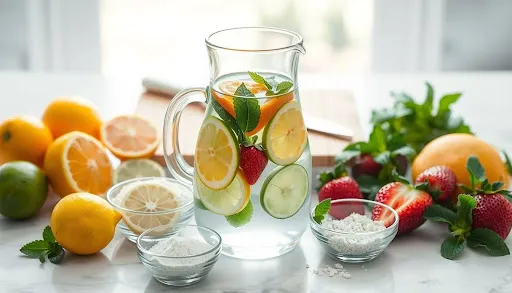
Sweeteners are another critical component of flavored water. Natural sweeteners like stevia and monk fruit are popular alternatives to sugar, offering sweetness without the calories. On the other hand, artificial sweeteners such as aspartame and sucralose are used in many low-calorie flavored waters. While these sweeteners can reduce calorie intake, concerns have been raised about their long-term health effects.
Preservatives and Additives
To extend shelf life and enhance flavor, manufacturers often add preservatives and other additives to flavored water. Common preservatives include potassium sorbate and sodium benzoate. While generally recognized as safe, some individuals may be sensitive to these additives. It’s essential to be aware of these ingredients, especially for those with specific dietary needs or restrictions.
| Ingredient Type | Examples | Health Considerations |
|---|---|---|
| Natural Flavors | Derived from fruits, vegetables | Generally considered healthy |
| Artificial Flavors | Synthesized in a lab | Potential health risks |
| Natural Sweeteners | Stevia, monk fruit | Low-calorie, natural |
| Artificial Sweeteners | Aspartame, sucralose | Potential long-term health effects |
| Preservatives | Potassium sorbate, sodium benzoate | Generally safe, but potential sensitivities |
Is Flavored Water Healthy? The Science Explained
As consumers increasingly turn to flavored water, understanding its impact on health becomes crucial. The scientific community has been studying the effects of flavored water on hydration and overall health.
Research on Hydration Benefits
Research has shown that flavored water can be as effective as plain water in terms of hydration benefits. A study published in the Journal of the International Society of Sports Nutrition found that flavored water improved hydration status in athletes. The addition of flavor can make water more appealing, encouraging individuals to drink more throughout the day.
Moreover, the hydration benefits of flavored water are not limited to athletes. Everyday consumers can also benefit from the enhanced taste, potentially leading to increased fluid intake. This is particularly relevant for individuals who struggle to meet their daily water intake recommendations.
Impact on Daily Water Intake
The impact of flavored water on daily water intake is significant. Studies have indicated that people who consume flavored water tend to drink more water overall compared to those who drink plain water. This increase in water consumption can contribute to better hydration and potentially offset some of the negative health effects associated with low water intake.
However, it’s essential to consider the ingredients used in flavored water. Some products contain added sugars or artificial sweeteners, which can have negative health implications. Consumers should be mindful of these additives when selecting a flavored water product.
In conclusion, flavored water can be a healthy addition to one’s diet when consumed mindfully. By understanding the health benefits and being aware of the ingredients, individuals can make informed choices about their beverage options.
Potential Health Benefits of Flavored Water
As consumers become more health-conscious, flavored water has emerged as a beverage option that offers several potential health benefits. The addition of flavor to water can make hydration more appealing, potentially leading to a range of positive health outcomes.
Increased Hydration
One of the primary health benefits of flavored water is its ability to increase hydration. When water is flavored, people are more likely to drink it, thus staying hydrated throughout the day. Increased hydration can improve physical performance, boost energy levels, and support overall health.
Reduced Soda Consumption
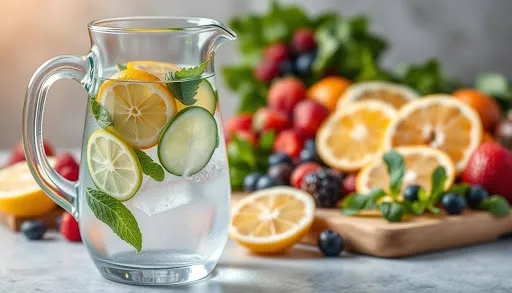
Flavored water can serve as a healthier alternative to soda, potentially reducing soda consumption. By choosing flavored water, individuals can avoid the high sugar content and artificial ingredients found in many sodas. This shift can lead to improved dietary habits and a reduced risk of diet-related health issues.
Vitamin-Enhanced Options
Some flavored waters are enhanced with vitamins and minerals, providing additional health benefits. These vitamin-enhanced options can support immune function, boost energy levels, and promote overall well-being. For example, vitamin C-enhanced flavored water can help support immune function, while calcium-enhanced flavored water can support bone health.
| Health Benefit | Description |
|---|---|
| Increased Hydration | Makes drinking water more appealing, improving overall hydration. |
| Reduced Soda Consumption | Serves as a healthier alternative to soda, reducing sugar intake. |
| Vitamin-Enhanced Options | Provides additional vitamins and minerals, supporting various bodily functions. |
When Should You Avoid Flavored Water?
While flavored water can be a healthy alternative to soda, there are certain situations where it’s best avoided. Flavored water, like any other beverage, can have its downsides, particularly for individuals with specific health needs or concerns.
Specific Health Conditions
Individuals with certain health conditions should be cautious when consuming flavored water. For instance, those with kidney disease may need to limit their intake of flavored waters containing potassium or other minerals. Similarly, people with high blood pressure should check the sodium content in flavored waters.
Dental Health Concerns
Dental health is another area where flavored water can be a concern. The acidity in some flavored waters, especially those with citrus flavors, can erode tooth enamel. It’s essential to be mindful of the ingredients and their potential impact on dental health.
Weight Management Considerations
For those managing their weight, flavored water can be both a help and a hindrance. While it can be a low-calorie alternative to sugary drinks, some flavored waters contain artificial sweeteners or added sugars that can affect weight management efforts.
| Consideration | Potential Issue | Recommendation |
|---|---|---|
| Specific Health Conditions | High mineral or sodium content | Check labels, consult a doctor |
| Dental Health | Acidity eroding tooth enamel | Rinse mouth after consumption |
| Weight Management | Artificial sweeteners or added sugars | Choose unsweetened or naturally flavored options |
Comparing Flavored Water to Other Beverages
As consumers become more health-conscious, the comparison between flavored water and other beverages like plain water, soda, and juice gains importance. With the beverage market offering a wide range of choices, understanding the differences between these options is crucial for making informed decisions.
Plain Water vs. Flavored Water
Plain water is calorie-free and inexpensive, making it a great choice for hydration. However, some people find it boring to drink. Flavored water, on the other hand, can make hydration more enjoyable due to its taste. A comparison of the two reveals that flavored water may contain added sugars or artificial sweeteners, which can be a drawback.
Flavored Water vs. Soda
Soda is often high in sugar and calories, contributing to various health issues. Flavored water can be a healthier alternative, especially when it’s unsweetened or naturally flavored. The key difference lies in the ingredients and nutritional content.
Flavored Water vs. Juice
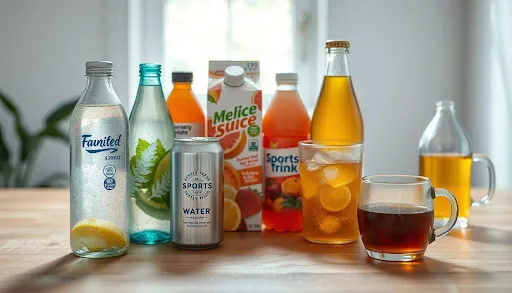
Juice can be a good source of vitamins and minerals, but it often contains high amounts of sugar. Flavored water, particularly when infused with fruits or herbs, can offer a similar taste experience without the sugar content. The table below summarizes the key differences:
| Beverage | Calorie Content | Sugar Content |
|---|---|---|
| Plain Water | 0 | 0 |
| Flavored Water | Varies | Varies |
| Soda | High | High |
| Juice | High | High |
How to Choose Healthier Flavored Water Options
As flavored water continues to gain popularity, it’s crucial to know how to choose a healthier option. With so many products on the market, making an informed decision can be challenging. To select a healthier flavored water, it’s essential to understand what to look for on the label and what ingredients to avoid.
Reading Labels Effectively
Reading the label is the first step in choosing a healthier flavored water. Look for products with natural flavors and avoid those with artificial sweeteners or flavor enhancers. Check the ingredient list for added sugars, sodium, and other unwanted additives. Opt for flavored waters that are low in calories and rich in vitamins or minerals if you’re looking for an enhanced option.
Red Flags to Watch For
When selecting a flavored water, there are several red flags to watch out for. Be cautious of products with high sugar content, as they can be detrimental to your health. Also, be aware of flavored waters containing artificial colors or preservatives, as these can have negative health impacts. Choosing products from reputable brands that prioritize natural ingredients can help you avoid these pitfalls.
By being mindful of the ingredients and labels, you can make a healthier choice when it comes to flavored water.
DIY Flavored Water Recipes
DIY flavored water recipes offer a personalized approach to staying hydrated. By making your own flavored water at home, you can avoid the additives and preservatives found in many commercial products. This approach not only allows you to control the ingredients but also to experiment with a variety of flavors.
Fruit-Infused Waters
Fruit-infused waters are a refreshing way to add flavor to your hydration routine. Some popular options include:
- Lemon and Lime: A classic combination that’s both refreshing and invigorigorating.
- Strawberry and Mint: A sweet and herbaceous flavor that’s perfect for warm weather.
- Cucumber and Lime: A light and refreshing option that’s great for detoxifying.
To make fruit-infused water, simply slice your chosen fruits and add them to a pitcher of water. Let it infuse in the refrigerator for a few hours before serving.
Herb and Spice Combinations
Herbs and spices can add a fascinating depth to your flavored water. Consider trying:
- Mint and Basil: A refreshing twist on traditional mint flavor.
- Cinnamon and Orange: A warm and spicy flavor that’s perfect for fall.
- Ginger and Lemon: A zesty and invigorating option that’s great for digestion.
When using herbs and spices, start with a small amount and adjust to taste. You can muddle them gently in the water to release their flavors more quickly.
Special Considerations for Different Populations
Different populations, including children and athletes, need to consider specific factors when consuming flavored water. While flavored water can be a healthy alternative to sugary drinks, its suitability varies across different demographics.
Children and Flavored Water
For children, it’s essential to monitor the ingredients in flavored water, as some may contain artificial sweeteners or flavors that are not suitable for young consumers. Parents should opt for flavored waters with natural ingredients and be mindful of the sugar content.
Key considerations for children include:
- Choosing flavored waters with natural flavors
- Avoiding products with artificial sweeteners
- Monitoring sugar intake
Athletes and Active Individuals
Athletes and active individuals often require more hydration than the average person. Flavored water can be a refreshing way to stay hydrated, but it’s crucial to select options that are low in sugar and calories to avoid energy crashes during performance.
| Hydration Needs | Recommended Flavored Water Characteristics |
|---|---|
| High hydration needs | Low sugar, electrolyte-enhanced |
| Moderate hydration needs | Natural flavors, minimal added sugars |
People with Diabetes or Metabolic Issues
For individuals with diabetes or metabolic issues, it’s vital to be cautious about the sugar content in flavored water. Some flavored waters may contain high levels of sugar that can spike blood glucose levels.
When choosing flavored water, individuals with diabetes should:
- Read labels carefully to check for added sugars
- Opt for unsweetened or naturally flavored options
- Consult with a healthcare provider for personalized advice
Stay Fluid, Stay Fabulous
As we’ve explored throughout this article, flavored water can be a healthy addition to a balanced diet when chosen wisely. The key is understanding the nutritional profile and ingredients of the flavored water you’re consuming. By being mindful of calorie content, sugar levels, and artificial additives, you can enjoy the benefits of flavored water while minimizing potential drawbacks.
When it comes to flavored water health, it’s essential to consider individual needs and circumstances. For instance, athletes may benefit from electrolyte-enhanced flavored water, while those watching their calorie intake may prefer unsweetened or naturally flavored options. Reading labels effectively and being aware of red flags, such as high sugar content or artificial sweeteners, is crucial.
👉 Stay hydrated effortlessly with this 🛒 USB-charging automatic water dispenser, perfect for home, office, or camping—simply attach it to any 5-gallon bottle for instant, spill-free water dispensing anywhere!
In conclusion, flavored water can be a refreshing and healthy beverage choice when approached with awareness and caution. By staying informed and making thoughtful decisions, you can enjoy the benefits of flavored water while supporting your overall health and well-being.
📌 Related Read: Is Coconut Water Alkaline? The Truth Behind the Health Claims
Join the Conversation!
Drop your thoughts in the comments below and let’s chat about all things beverage!
Frequently Asked Questions (FAQ)
Flavored water is a type of beverage that is infused with natural or artificial flavors, and may contain additional ingredients such as sweeteners, vitamins, or minerals.
Flavored water can be a healthier alternative to soda, as it typically contains fewer calories and less sugar. However, it’s essential to check the label for added sugars and artificial ingredients.
Yes, flavored water can contribute to your daily hydration needs, especially for those who have trouble drinking enough plain water.
Some flavored waters may contain high levels of sugar, artificial sweeteners, or other ingredients that can be detrimental to your health if consumed excessively.
To choose a healthy flavored water, read the label carefully, and opt for products with natural ingredients, minimal added sugars, and no artificial preservatives or flavors.
Yes, you can make flavored water at home by infusing water with fruits, herbs, or spices, providing a healthy and cost-effective alternative to store-bought options.
Flavored water can be a good option for children who don’t like plain water, but be cautious of added sugars and artificial ingredients. Opt for natural, unsweetened flavored water or make your own at home.
Athletes may benefit from flavored water as a way to stay hydrated, especially during and after intense exercise. Look for products with electrolytes or make your own flavored water with electrolyte-rich ingredients.
Flavored water can be a more flavorful alternative to plain water, but it’s essential to choose options with minimal added sugars and artificial ingredients to reap the benefits.
Yes, flavored water can be a helpful alternative to soda, as it provides a similar fizziness and flavor without the high sugar content.


