
Are you looking for that extra boost to power through your workouts? You’re not alone. Do energy drinks improve gm performance? Energy drinks have become a popular pre-gym ritual for many fitness enthusiasts, promising enhanced performance and laser-like focus.
But do these caffeinated concoctions really deliver on their promises? Or are we just falling for clever marketing hype? The world of energy drinks and exercise performance is a complex one, filled with conflicting opinions and studies. It’s time to separate fact from fiction and dive into what science actually says about the effectiveness of energy drinks in improving gym performance.
In this article, we’ll explore the ingredients that make up energy drinks, examine the scientific evidence behind their impact on exercise, and compare them to other pre-workout options. We’ll also discuss crucial factors like timing and dosage, as well as the potential long-term effects on your fitness goals. So, grab your water bottle and let’s uncover the truth about energy drinks and your gym performance!
👉 Boost your energy and focus the clean way with 🛒 Odyssey 222 Energy Drink – packed with 222mg of natural caffeine, L-Theanine, Lion’s Mane, Cordyceps, and green tea for enhanced mood, mental clarity, and pre-workout performance. This low-calorie variety pack includes 12 refreshing 12 fl oz cans designed to fuel your day without the crash.
Understanding Energy Drinks
Key Ingredients in Energy Drinks
Energy drinks are formulated with a variety of ingredients designed to deliver a quick energy boost and enhance mental alertness. The most common components include:
- Caffeine – The primary stimulant that activates the central nervous system, increasing wakefulness and reducing fatigue.
- Sugar or Artificial Sweeteners – Provide immediate energy but can also contribute to energy crashes later. Sugar-free options are available for those monitoring their intake.
- B-Vitamins – Essential for energy metabolism, these vitamins help convert food into fuel. Common ones include B3 (niacin), B6, and B12.
- Taurine – An amino acid that supports neurological development and regulates water and mineral levels in the blood.
- Guarana – A plant extract that contains natural caffeine, often added to boost the stimulant effect.
How energy drinks affect the body
Energy drinks work primarily by stimulating the nervous system, resulting in heightened alertness, improved focus, and a surge in energy. However, these effects are usually short-lived and vary depending on the individual’s tolerance and the drink’s formulation.
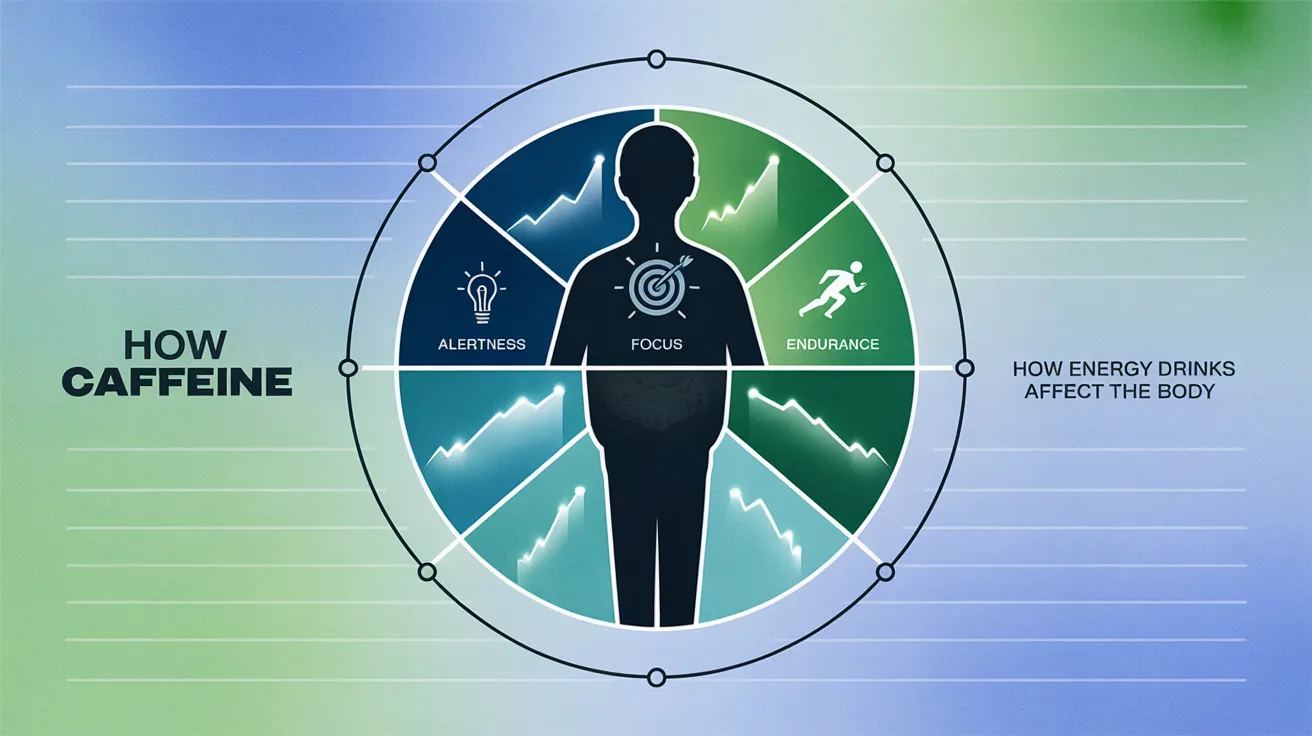
| Effect | Duration |
|---|---|
| Alertness | 3–4 hours |
| Focus | 1–2 hours |
| Energy | 2–3 hours |
These results stem largely from the combination of caffeine and sugar, which together produce a rapid spike in energy followed by a potential energy crash once the effects wear off.
The Science Behind Energy Drinks and Exercise
Impact on Endurance
Consuming energy drinks before exercise has been shown to significantly enhance endurance performance, primarily due to their caffeine content. Multiple studies suggest that caffeine can delay the onset of fatigue and increase aerobic output, making workouts feel less taxing and more productive.
| Benefit | Explanation |
|---|---|
| Increased stamina | Caffeine delays fatigue, allowing for longer sessions. |
| Improved VO₂ max | Enhances oxygen utilization, improving cardiovascular output. |
| Longer workout duration | Reduces perceived exertion, enabling athletes to push harder. |
This combination of effects can be especially beneficial during cardio-based exercises, such as running, cycling, or high-intensity interval training (HIIT).
Effects on Strength and Power
For those focused on resistance training or explosive movements, energy drinks may offer several short-term benefits:
- Improved muscle contraction force – Caffeine stimulates motor neurons, potentially increasing muscular responsiveness.
- Enhanced power output – In exercises like sprints or Olympic lifts, the quick-release energy from stimulants can improve performance.
- Increased rep counts – Some studies show that energy drinks may prolong muscular endurance, allowing for more repetitions during strength training sessions.
💡 Pro Tip: It’s important to note that while the short-term gains from energy drinks can support intense training, their effectiveness depends on factors such as individual caffeine sensitivity, timing, and dosage.
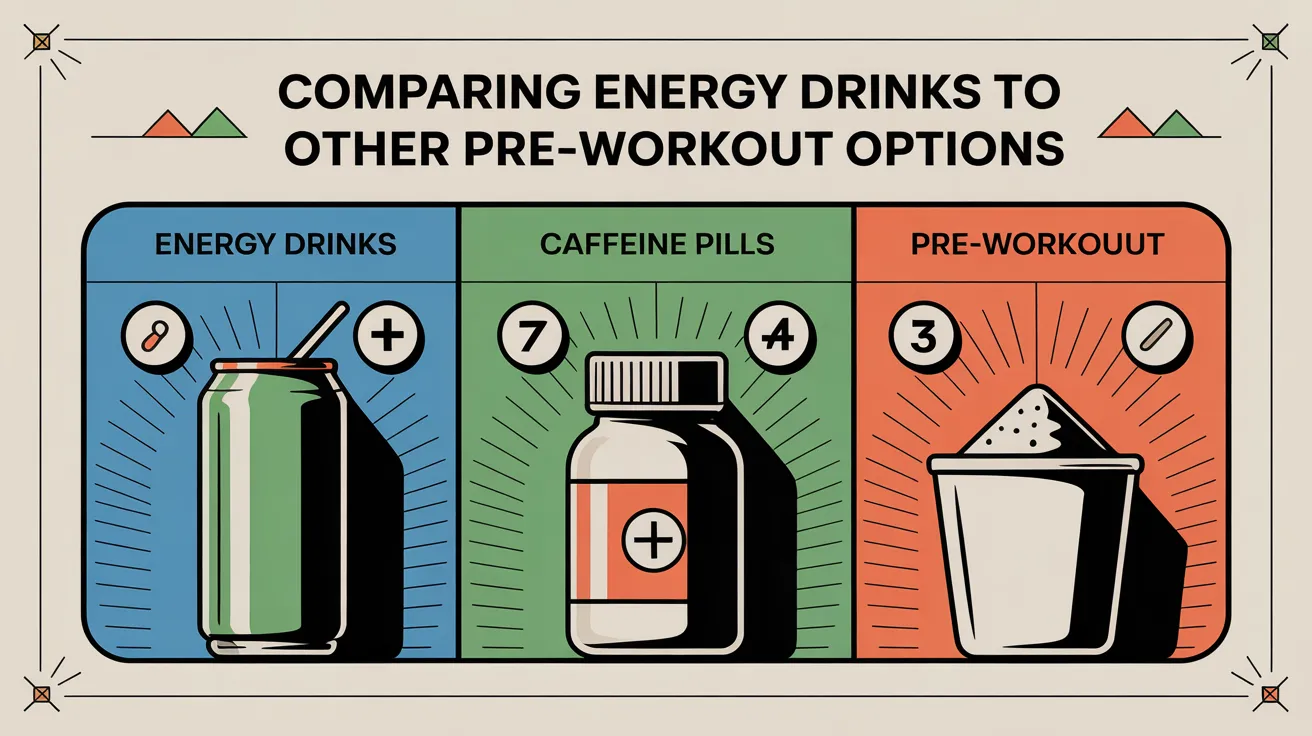
Comparing Energy Drinks to Other Pre-Workout Options
affeine Pills
Caffeine pills provide a concentrated dose of caffeine without the extra ingredients often found in energy drinks. They are a cost-effective choice for individuals seeking a controlled boost in energy before workouts.
| Aspect | Caffeine Pills | Energy Drinks |
|---|---|---|
| Cost | Low – typically very affordable | Moderate – higher due to branding and packaging |
| Dosage | Precise – controlled caffeine amount | Variable – may include hidden or unlisted doses |
| Extras | None – pure caffeine only | Yes – includes B-vitamins, taurine, and sugar or sweeteners |
While caffeine pills offer a clean and reliable source of energy, they lack additional performance-enhancing nutrients found in energy drinks or pre-workouts. They’re ideal for people sensitive to additives or who prefer to avoid sugar and artificial ingredients.
Pre-Workout Supplements
Pre-workout supplements are designed specifically to enhance exercise performance. In addition to caffeine, they often contain a blend of amino acids, creatine, beta-alanine, and nitric oxide boosters. These ingredients aim to:
- Improve muscular endurance
- Increase blood flow and pump
- Enhance strength and power output
While potentially more effective for serious training, these supplements can be more expensive and come with a greater risk of side effects, such as tingling (from beta-alanine), upset stomach, or insomnia.
If you’re looking for convenience and taste, energy drinks are a popular pick. For cost and control, caffeine pills work well. And if you’re focused on maximizing performance, pre-workouts offer targeted advantages—just be mindful of the ingredient list and your tolerance.
Timing and Dosage Considerations
When to Consume Energy Drinks for Optimal Performance
To maximize the benefits of energy drinks for workout performance, timing is key. The ideal window is 30–60 minutes before exercise, allowing the caffeine and other stimulants to reach peak blood concentration. This results in improved focus, reaction time, and endurance during your gym session.
| Timing | Effect |
|---|---|
| 30–60 min before | Optimal performance boost |
| During workout | Sustained energy for longer sessions |
| Post-workout | Not recommended – can interfere with recovery and sleep |
While consuming energy drinks during a workout may help sustain energy during extended training, post-workout intake is not advised, as it may hinder recovery, hydration, and sleep quality.
Recommended Serving Sizes
To avoid side effects and maximize benefits, it’s crucial to stick to recommended serving sizes and monitor your daily caffeine intake.
- Typical Serving Size: 8–12 oz (240–355 ml) per drink
- Safe Daily Caffeine Limit: Up to 400 mg for healthy adults (according to FDA guidelines)
- Overconsumption Risks:
- Jitters and nervousness
- Insomnia or disrupted sleep
- Elevated heart rate
- Anxiety or irritability
💡 Pro Tip: Always read the label carefully, as some energy drinks contain up to 300 mg of caffeine in a single can, which could easily push you over the daily limit if consumed alongside coffee or pre-workouts.
Long-Term Effects on Fitness Goals
Potential Benefits for Consistent Gym-Goers
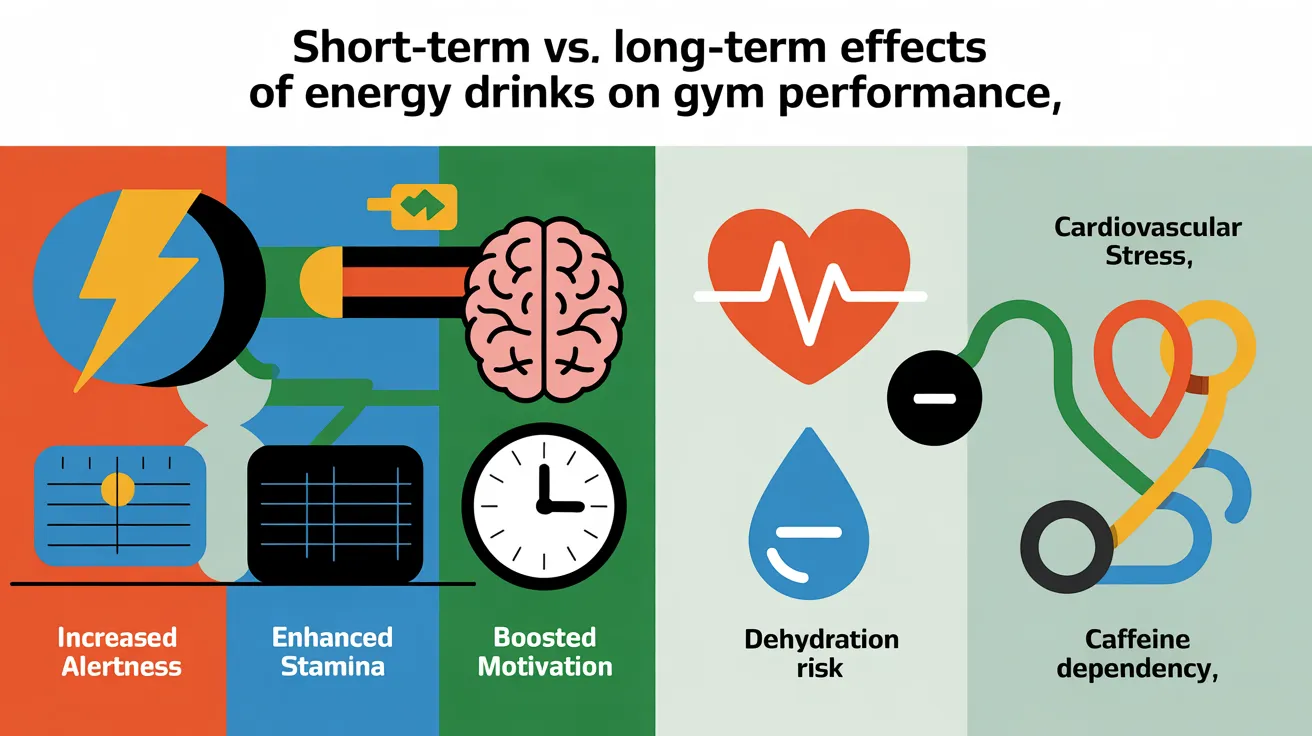
For those who hit the gym regularly, energy drinks may provide short-term advantages that contribute to overall performance. When used mindfully, they can support fitness progress in the following ways:
- Improved focus and motivation – Caffeine enhances mental alertness, helping you push through tough workouts.
- Enhanced endurance – Ingredients like taurine and B-vitamins can improve stamina during cardio or high-rep training.
- Faster recovery times – Some energy drinks contain electrolytes or amino acids that support post-exercise replenishment.
These benefits can help maximize workout efficiency, especially for early-morning or high-intensity training. However, it’s essential to understand that more is not always better.
Drawbacks for Regular Users
Despite potential benefits, long-term or daily use of energy drinks comes with serious considerations. The body can develop tolerance to caffeine, reducing the product’s effectiveness and potentially encouraging overconsumption.
| Drawback | Description |
|---|---|
| Dependency | Relying on caffeine to perform can lead to psychological or physical dependence. |
| Dehydration | Caffeine’s diuretic effect may cause fluid loss, impacting endurance and recovery. |
| Cardiovascular Stress | Prolonged use may increase heart rate, blood pressure, and stress hormone levels. |
💡 Pro Tip: Cycling your energy drink usage (e.g., using only 2–3 times per week) can help reduce dependency and maintain effectiveness.
The Effects of Working Out on Energy Drinks
While we often ask how energy drinks affect workouts, the reverse is equally important: how does exercise impact the way energy drinks function in your body?
Stay tuned for a deep dive into how metabolism, hydration, and cardiovascular activity influence the absorption, benefits, and side effects of energy drinks during physical performance.
The Recharge Rundown: Final Thoughts on Energy Drinks and Gym Performance
Energy drinks can deliver a temporary performance boost, enhancing both physical stamina and mental alertness during workouts. Thanks to their blend of caffeine, sugar, and additional stimulants, they can elevate energy levels, improve focus, and increase endurance in the short term.
However, it’s important to understand that these benefits come with potential health risks, including caffeine dependency, dehydration, and cardiovascular stress—especially when used excessively or without proper planning.
While they may help you power through a challenging session, energy drinks should never replace the foundations of long-term fitness success:
Balanced nutrition
Consistent hydration
Sufficient rest
Smart training routines
If you decide to include energy drinks in your fitness lifestyle, use them mindfully. Pay attention to timing, caffeine dosage, and your body’s tolerance levels. Choose low-sugar or natural energy alternatives when possible, and cycle your intake to prevent tolerance.
💡 Pro Tip: For sustained gym performance, the best energy source is a healthy lifestyle, not a can. Use energy drinks as an occasional tool—not a daily crutch—and your body (and workouts) will thank you.
👉 Boost your energy naturally with 🛒 CLEAN Cause Zero Sugar Yerba Mate – 160mg caffeine, keto-friendly, and packed with organic goodness!
📌 Related Read: Best Energy Drinks to Kickstart Your Morning Without a Crash
Join the Conversation!
Drop your thoughts in the comments below and let’s chat about all things beverage!
Frequently Asked Questions (FAQ)
Yes, energy drinks can enhance endurance, focus, and alertness short-term, especially due to caffeine and B-vitamins.
Consume it 30–60 minutes before your workout to allow caffeine and other ingredients to take full effect during exercise.
Not necessarily. Pre-workouts often contain amino acids and creatine, which are more tailored to gym performance. Energy drinks are more general.
Occasional use is safe for healthy individuals, but long-term daily consumption may lead to dependency, dehydration, and cardiovascular strain.
Try black coffee, green tea, or natural pre-workouts with minimal additives. Ensure proper hydration and balanced nutrition too.


