
Are you caught in the eternal struggle between reaching for an energy drink or brewing a cup of coffee? You’re not alone. Millions face this daily dilemma, desperately seeking that perfect energy boost to conquer their day. But which one truly reigns supreme in the battle for vitality? Enter the arena of Energy Drinks vs. Coffee. These two titans of the caffeine world have been duking it out for years, each claiming to be the ultimate solution for our energy needs. But what if we told you that the answer isn’t as clear-cut as you might think?

👉 Boost your energy naturally with 🛒 CLEAN Cause Zero Sugar Yerba Mate – 160mg caffeine, keto-friendly, and packed with organic goodness!
In this eye-opening exploration, we’ll dive deep into the heart of this caffeinated controversy. We’ll uncover the truth about immediate energy boosts, long-term effects, and even delve into health considerations you might never have considered. From performance enhancement to cost and convenience, we’ll leave no stone unturned in our quest to determine which one truly deserves the crown of energy supremacy. So grab your favorite brew or can, and let’s embark on this energizing journey together!
Understanding Energy Drinks vs. Coffee
Composition of Energy Drinks
Energy drinks are formulated with a mix of stimulants and performance-enhancing ingredients. Their typical components include:
- Caffeine (primary stimulant)
- Sugar or artificial sweeteners
- B-vitamins (especially B3, B6, and B12)
- Taurine – supports neurological development and regulates water and mineral levels
- Guarana – a plant-derived source of caffeine
- Ginseng – used for potential mental performance enhancement
- L-carnitine – aids in fat metabolism and energy production
These ingredients work synergistically to deliver a fast and noticeable boost in alertness and stamina, making energy drinks a popular choice for athletes and late-night workers.
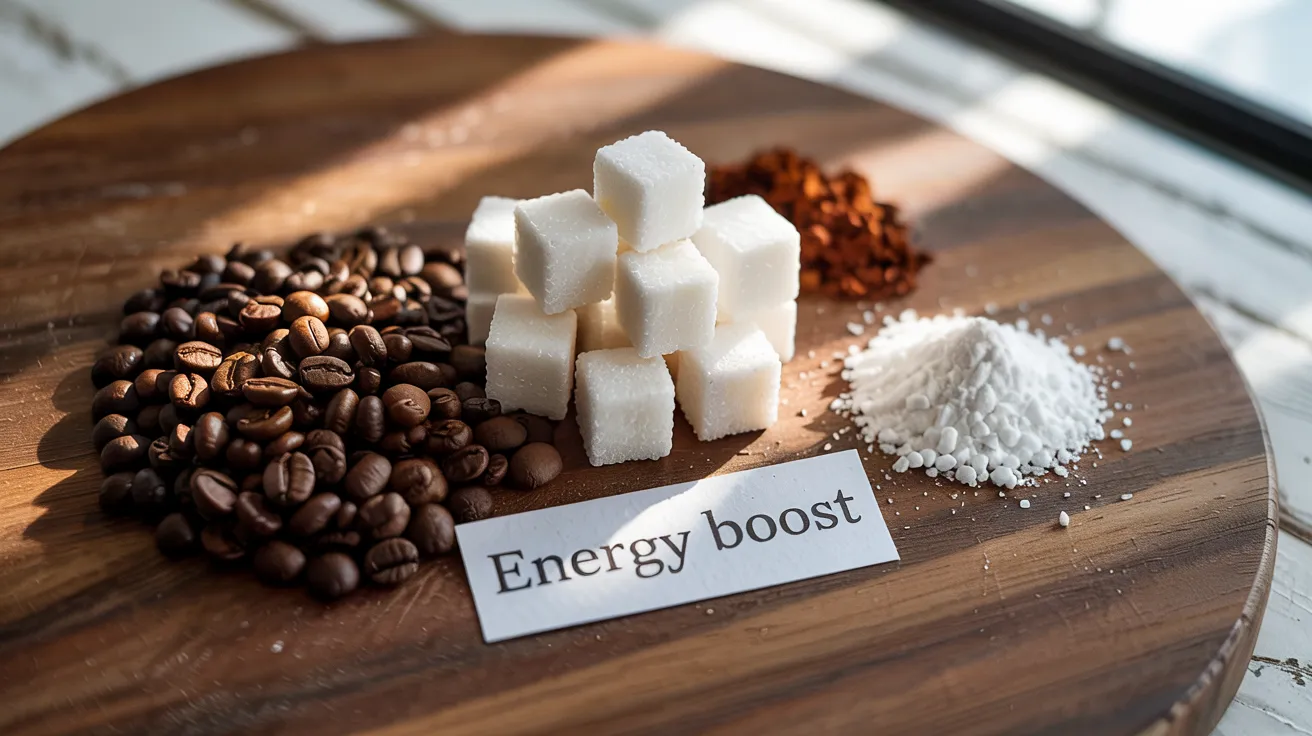
Key Ingredients in Coffee
In contrast, coffee has a more straightforward composition but remains powerful:
- Caffeine – the main stimulant
- Antioxidants (like polyphenols) – support cellular health
- Minerals – including magnesium and potassium
- Trace B-vitamins – such as B2 (riboflavin), B3 (niacin), and B5 (pantothenic acid)
While simpler, coffee offers a natural concentration of nutrients and compounds that support focus and energy without added chemicals or sugars.
Caffeine Content Comparison
| Beverage | Serving Size | Average Caffeine Content |
|---|---|---|
| Energy Drink | 8.4 oz (250 ml) | 70-80 mg |
| Coffee | 8 oz (240 ml) | 95-200 mg |
Coffee typically contains more caffeine per serving than most energy drinks. However, energy drinks often come in larger cans, increasing total caffeine and sugar intake per container.
Other Stimulants Present
While coffee relies almost entirely on caffeine, energy drinks often pack additional stimulating compounds, including:
- Guarana: A plant-based caffeine source with a slower release
- Taurine: An amino acid that may enhance mental and physical performance
- Ginseng: An adaptogen believed to improve mental clarity and reduce fatigue
- B-vitamins: Essential for energy metabolism and cellular function
These extra ingredients can create a stronger but shorter-lived energy spike, often followed by a crash once the stimulants wear off.
Immediate Energy Boost
How Quickly Do Energy Drinks Take Effect?
Energy drinks are designed to provide a rapid energy surge, often kicking in within 10–15 minutes after consumption. This quick onset is primarily due to the combination of high caffeine content, taurine, and B-vitamins, which work together to deliver a fast-acting jolt of alertness and focus.
| Factor | Energy Drinks | Coffee |
|---|---|---|
| Onset time | 10–15 minutes | 20–30 minutes |
| Peak effect | 30–60 minutes | 30–60 minutes |
| Main stimulant | Caffeine + other stimulants | Caffeine only |
Coffee’s Slower Yet Sustained Kick
While coffee is also highly effective, its effects are usually felt within 20–30 minutes of consumption. This slightly delayed onset is because coffee relies solely on caffeine without the added stimulants found in most energy drinks. However, this also contributes to a smoother, more stable boost without the intense spike.
How Long Does the Energy Last?
The duration of energy can vary significantly depending on the drink and your body’s response:
- Energy Drinks:
- Initial boost: 1–2 hours
- Residual effects: Up to 6 hours
- Coffee:
- Initial boost: 2–3 hours
- Residual effects: Up to 8 hours
Coffee typically provides a more sustained and gradual energy lift, whereas energy drinks often deliver a sharper but shorter-lived effect. Individual responses may vary depending on factors like caffeine tolerance, metabolism, and overall health.
By understanding how each beverage interacts with your body in the short term, you can make smarter choices based on your energy needs and lifestyle.
Long-term Effects on Energy Levels
Sustained energy from coffee
Coffee provides a more sustained energy boost due to its slower caffeine absorption and metabolism. Unlike energy drinks, coffee’s effects can last for several hours, providing a steady stream of alertness and focus. This prolonged effect is attributed to coffee’s complex composition, which includes not just caffeine but also beneficial compounds like chlorogenic acids and polyphenols.
| Aspect | Coffee | Energy Drinks |
|---|---|---|
| Duration of effect | 4-6 hours | 1-2 hours |
| Caffeine absorption | Gradual | Rapid |
| Additional compounds | Chlorogenic acids, polyphenols | Usually none |
Energy crashes associated with energy drinks
Energy drinks often lead to more severe energy crashes due to their high sugar content and rapid caffeine absorption. The quick spike in blood sugar levels followed by a sharp decline can result in:
- Sudden fatigue
- Irritability
- Difficulty concentrating
- Increased hunger
This roller-coaster effect can lead to a cycle of repeated energy drink consumption, potentially causing long-term issues with energy regulation.
Impact on sleep patterns
Both coffee and energy drinks can disrupt sleep patterns, but their effects differ:
- Coffee: Generally less disruptive when consumed earlier in the day
- Energy drinks: Often contain additional stimulants that can exacerbate sleep issues
Regular consumption of either beverage, especially in the afternoon or evening, can lead to:
- Difficulty falling asleep
- Reduced sleep quality
- Shorter sleep duration
- Daytime fatigue
These sleep disruptions can create a vicious cycle of reliance on caffeine, further impacting long-term energy levels. It’s crucial to be mindful of consumption timing and quantity to maintain healthy sleep patterns and sustainable energy levels.
Health Considerations
Nutritional value of coffee
Coffee is more than just a morning pick-me-up; it’s a source of essential nutrients. A single cup of coffee contains:
- Riboflavin (Vitamin B2)
- Pantothenic Acid (Vitamin B5)
- Manganese and Potassium
- Magnesium and Niacin (Vitamin B3)
Coffee is also rich in antioxidants, which help protect cells from damage. In fact, coffee is one of the largest sources of antioxidants in the Western diet.
| Nutrient | Amount per cup (8 oz) |
|---|---|
| Caffeine | 95 mg |
| Vitamin B2 | 11% of RDI |
| Vitamin B5 | 6% of RDI |
| Manganese | 3% of RDI |
| Potassium | 3% of RDI |
Sugar content in energy drinks
Energy drinks often contain high amounts of sugar, which can lead to various health issues when consumed in excess. A typical 16 oz energy drink can contain:
- 54-62 grams of sugar
- Up to 250 calories
This sugar content is concerning, as it:
- Contributes to weight gain
- Increases risk of type 2 diabetes
- Can lead to dental problems
Potential side effects of each
Both coffee and energy drinks can have side effects, particularly when consumed in large quantities:
Coffee:
- Increased anxiety and restlessness
- Insomnia
- Digestive issues
- Increased heart rate and blood pressure
Energy Drinks:
- Jitters and nervousness
- Headaches
- Rapid heartbeat
- Dehydration
Addiction and dependency risks
Both coffee and energy drinks contain caffeine, which can lead to dependency. However, energy drinks pose a higher risk due to their combination of caffeine and sugar.
- Coffee dependency:
- Mild withdrawal symptoms
- Generally easier to manage
- Energy drink dependency:
- More severe withdrawal symptoms
- Higher risk of overconsumption
While both beverages can provide an energy boost, it’s crucial to consider these health factors when choosing between them. Next, we’ll explore how coffee and energy drinks affect performance in various tasks and activities.
Performance Enhancement
Mental alertness and focus
Both energy drinks and coffee can significantly enhance mental alertness and focus. However, their effects differ in intensity and duration. Here’s a comparison:
| Aspect | Energy Drinks | Coffee |
|---|---|---|
| Onset of effects | Faster (15-30 minutes) | Slower (30-45 minutes) |
| Duration | 3-4 hours | 4-6 hours |
| Caffeine content | Variable (50-300mg) | Consistent (95-200mg per 8oz) |
| Additional stimulants | Often include taurine, B-vitamins | None |
Energy drinks provide a quick burst of alertness due to their combination of caffeine and other stimulants. Coffee, on the other hand, offers a more gradual and sustained focus boost.
Physical performance benefits
Both beverages can enhance physical performance, but in different ways:
- Energy drinks:
- Improve reaction time
- Increase endurance in high-intensity activities
- Enhance power output in short bursts
- Coffee:
- Boosts overall endurance
- Improves fat oxidation during exercise
- Reduces perceived exertion
Productivity in work or study environments
The choice between energy drinks and coffee for productivity depends on the specific task and environment:
- Energy drinks are ideal for:
- Short-term, intense focus sessions
- Creative brainstorming
- Late-night study sessions
- Coffee is better suited for:
- Long-term, sustained focus
- Routine tasks requiring consistent attention
- Morning productivity boost
Ultimately, individual tolerance and preference play a significant role in determining which beverage will best enhance performance in various situations.
Cost and Convenience
Price comparison

When it comes to cost, coffee generally has the upper hand over energy drinks. Let’s break down the price comparison:
| Beverage | Average Cost per Serving |
|---|---|
| Coffee (home-brewed) | $0.20 – $0.50 |
| Coffee (cafe-bought) | $2 – $5 |
| Energy Drink (store-bought) | $2 – $4 |
| Energy Drink (bulk purchase) | $1.50 – $3 |
Home-brewed coffee is significantly cheaper than energy drinks, making it a more economical choice for daily consumption. However, cafe-bought coffee can be comparable in price to energy drinks.
Availability and accessibility
Both coffee and energy drinks are widely available, but coffee often edges out in terms of accessibility:
- Coffee:
- Found in most restaurants, cafes, and workplaces
- Easily made at home with various brewing methods
- Available in instant form for quick preparation
- Energy Drinks:
- Sold in convenience stores, supermarkets, and vending machines
- Limited availability in restaurants or cafes
- Cannot be easily prepared at home
Ease of preparation
The ease of preparation varies between coffee and energy drinks:
- Energy Drinks:
- Ready-to-drink, requiring no preparation
- Simply open and consume
- Coffee:
- Instant coffee offers quick preparation
- Drip coffee makers and pod machines provide easy brewing
- Espresso machines require more skill and time
While energy drinks offer instant gratification, the variety of coffee preparation methods allows for customization to suit individual preferences and time constraints.
Taste and Variety
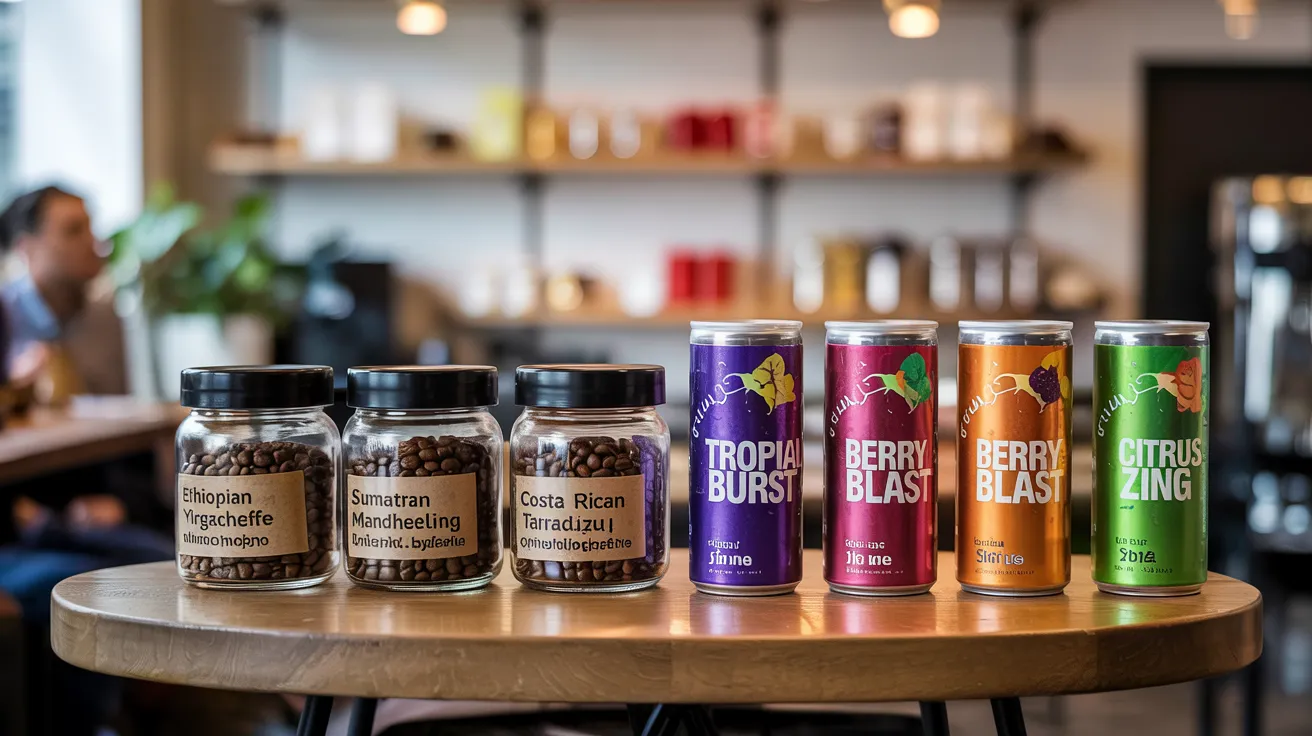
Flavor options for energy drinks
Energy drinks offer a wide array of flavors to suit various preferences:
- Classic: Original, citrus, berry
- Tropical: Mango, pineapple, coconut
- Exotic: Dragon fruit, acai, pomegranate
- Sugar-free options: Zero-calorie variants
Many brands provide unique flavor combinations to stand out in the market.
Coffee brewing methods and flavors
👉 Brew barista-quality espresso anywhere with the 🛒 OutIn Nano Portable Electric Espresso Machine—a self-heating, USB-C powered coffee maker perfect for camping, travel, and on-the-go coffee lovers, compatible with both ground coffee and NS capsules.
Coffee enthusiasts can explore diverse brewing techniques and flavor profiles:
| Brewing Method | Flavor Profile |
|---|---|
| Espresso | Strong, intense |
| French Press | Full-bodied, rich |
| Pour-over | Clean, nuanced |
| Cold Brew | Smooth, less acidic |
Coffee beans from different regions offer distinct tastes:
- Ethiopian: Fruity, floral notes
- Colombian: Balanced, mild acidity
- Brazilian: Nutty, chocolatey undertones
- Sumatran: Earthy, full-bodied
Customization possibilities
Both energy drinks and coffee allow for personalization:
- Energy drinks:
- Mixing with other beverages
- Adding fruit juices or syrups
- Blending into smoothies
- Coffee:
- Various milk options (dairy, plant-based)
- Flavored syrups (vanilla, caramel, hazelnut)
- Spices (cinnamon, nutmeg, cardamom)
- Sweeteners (sugar, honey, artificial)
Fuel Recap: Powered and Productive
While energy drinks offer pre-made flavor variety, coffee provides more room for experimentation and customization. Coffee’s versatility in brewing methods and origin-based flavors gives it an edge in terms of taste exploration. However, energy drinks cater to those who prefer convenience and consistent flavors. Ultimately, the choice between energy drinks and coffee for taste and variety depends on individual preferences and lifestyle factors.
Both energy drinks and coffee offer unique benefits for boosting energy levels, but they come with different considerations. While energy drinks provide a quick and intense energy boost, coffee offers a more gradual and sustained increase in alertness. Health-wise, coffee generally has fewer additives and potential side effects, making it a safer choice for regular consumption. However, energy drinks may have an edge in terms of performance enhancement for short-term, high-intensity activities.
Ultimately, the choice between energy drinks and coffee depends on individual preferences, lifestyle, and health factors. For those seeking a more natural and potentially healthier option, coffee might be the better choice. However, energy drinks can be suitable for occasional use when an immediate and powerful energy boost is needed. Whichever option you choose, it’s essential to consume these beverages in moderation and be aware of their effects on your body.
👉 So get barista-level brewing at home with the 🛒 Ninja DualBrew 12-Cup Drip Coffee Maker
📌 Related Read: Are Energy Drinks Bad for Your Heart?
Join the Conversation!
Drop your thoughts in the comments below and let’s chat about all things beverage!
Frequently Asked Questions (FAQ)
Generally, coffee is healthier due to its lack of additives and high antioxidant content. Energy drinks may contain sugar and artificial stimulants.
Coffee offers a longer-lasting, gradual energy boost, while energy drinks provide a quick, intense surge that may wear off faster.
Excessive energy drink consumption may lead to sleep problems, heart issues, and sugar-related health risks like obesity and diabetes.
You can, but be mindful of your total caffeine intake (under 400mg/day for adults). Combining both can increase side effects like jitters and anxiety.
Home-brewed coffee is usually cheaper than energy drinks. However, store-bought coffee can cost the same or more than an energy drink.


